Planting
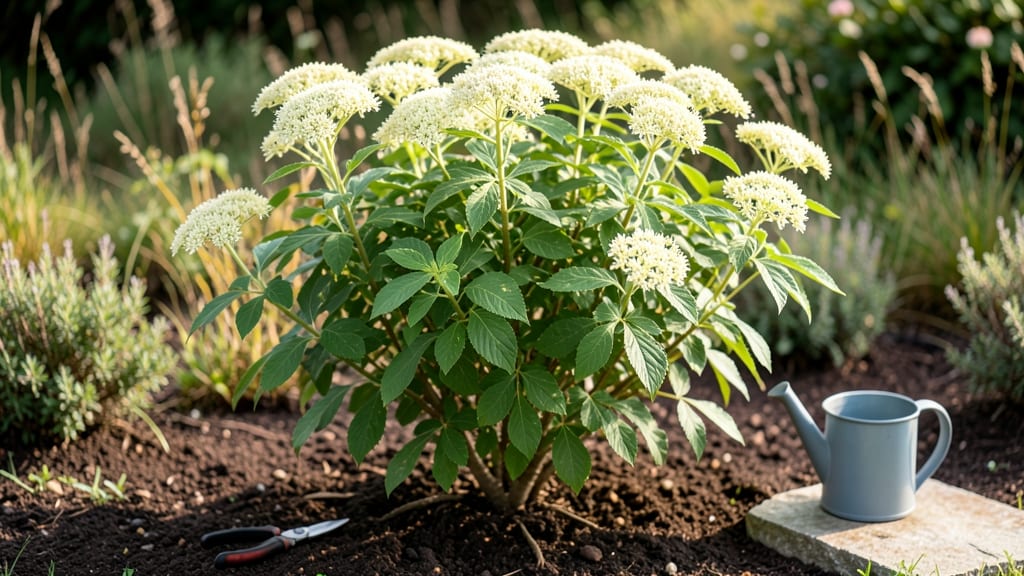
The elderberry flower plant transforms any yard into a fragrant, wildlife-friendly haven with stunning blooms that last from spring through fall. 🌿 I planted mine three years ago after seeing how bees and butterflies swarmed my neighbor's bush—now it's the star of my landscape, requiring almost no pruning to stay lush and productive.
These hardy shrubs thrive in full sun to partial shade, tolerating everything from clay soil to rocky slopes. Start with a healthy, disease-free plant or root cuttings from an established bush—seeds take too long to flower.
Water deeply once a week during the first growing season, then let nature handle the rest.
By late spring, you'll be rewarded with clusters of creamy-white flowers that smell like vanilla, followed by deep purple berries that birds adore. The flowers attract pollinators all season, and the berries make jams, syrups, or wine—though the plant's ornamental value alone makes it worth growing.
Works beautifully as a privacy screen, border plant, or even in containers with proper support. Here's how to keep yours thriving with minimal fuss—no green thumb required.
📚 In This Guide
- What you need
- Instructions
- Tips and common mistakes
- Wrapping up and next steps
What you need
- ● Elderberry plant: 1-2 bare-root or potted elderberry (Sambucus spp.) plants (choose cold-hardy varieties like Sambucus nigra or Sambucus canadensis for best results).
- ● Well-draining soil: 5-10 bags of organic compost or potting mix (amend garden soil with compost if needed).
- ● Sunlight: A full-sun location (6+ hours of direct sunlight daily).
- ● Watering can or hose: With a gentle spray nozzle for hydration.
- ● Mulch: 2-3 bags of organic mulch (e.g., straw or wood chips) to retain moisture.
- ● Pruning shears: Sharp, clean shears (sterilize with rubbing alcohol).
- ○ Fertilizer (optional but recommended): 1-2 applications of balanced organic fertilizer (10-10-10 or compost tea).
- ● Garden gloves: To protect hands from thorns (elderberries can be prickly!).
- ● Trellis or stakes: 2-4 sturdy supports (6+ feet tall) for climbing varieties.
- ● pH testing kit: To ensure soil pH is 6.0-7.0 (elderberries prefer slightly acidic to neutral soil).
- ● Drip irrigation system: For consistent watering (especially in hot climates).
- ● Pest control: Neem oil or insecticidal soap (for aphids or spider mites).
- ● Harvesting tools: Pruners or scissors for picking flowers/berries.
How to grow elderberry plants for stunning year-round blooms
Here's the straightforward approach I've used to keep elderberry bushes flowering beautifully with almost no fuss.
🌱 Step 1: Choose the Perfect Planting Location
Elderberries thrive in full sun to partial shade, so pick a spot that gets at least 6 hours of sunlight daily. I always look for areas with well-draining soil—these plants hate soggy roots. If your soil drains poorly, mix in 2-3 inches of compost when planting to improve drainage.
Dig a hole twice as wide as the root ball but only as deep. The top of the root ball should sit 1-2 inches above ground level—this prevents water from pooling around the stem. Gently loosen the roots if they're circling before placing the plant in the hole.
💧 Step 2: Water Deeply and Mulch for Moisture Retention
After planting, water deeply until the soil is 6-8 inches wet. I use a hose with a gentle spray to avoid disturbing the soil around the roots. Watering deeply once a week is better than frequent shallow watering—this encourages strong root growth.
Spread 2-3 inches of organic mulch around the base, keeping it 3-4 inches away from the stem. This helps retain moisture and keeps weeds down. I prefer shredded bark or wood chips because they break down slowly and enrich the soil over time.
☀️ Step 3: Prune for Shape and Encourage Blooms
Prune elderberries in late winter or early spring before new growth starts. Remove any dead, diseased, or crossing branches first—I always cut these back to the main stem. Then, shape the bush by trimming back about one-third of the oldest wood each year. This keeps the plant healthy and encourages new growth.
Watch for suckers growing from the base. These can drain energy from your main plant, so remove them as soon as you spot them. Thin out crowded branches to improve airflow, which prevents fungal diseases. You’ll see new, vibrant growth within a few weeks of pruning.
⏰ Step 4: Feed and Maintain for Continuous Blooms
In early spring, apply a balanced fertilizer (10-10-10) around the drip line of the plant. I sprinkle about ½ cup per plant and water it in well. This gives the plant a boost for the growing season ahead. Avoid over-fertilizing—too much nitrogen can reduce flowering.
Throughout the growing season, check the soil moisture regularly. Water when the top 2-3 inches of soil feel dry. Elderberries are drought-tolerant once established, but consistent moisture helps keep the blooms vibrant. Deadhead spent flowers in early summer to encourage more blooms later in the season.
🌿 Step 5: Protect and Enjoy Year-Round Beauty
Elderberries are generally low-maintenance, but they can attract pests like aphids or Japanese beetles. I spray the leaves with a mix of water and mild insecticidal soap if I see any signs of infestation. This keeps the plant healthy without harsh chemicals.
With minimal effort, your elderberry plant will reward you with stunning blooms from early spring through fall. The fragrant flowers attract pollinators, and the berries that follow are a bonus. Just keep an eye on the plant, prune lightly each year, and enjoy the beauty it brings to your garden.
Tips & tricks for perfect elderberry flower plant care
Here's what nobody tells you about keeping elderberries flowering beautifully with almost no effort.
The Sunlight Secret: Elderberries need that 6 hours of sunlight daily, but here's the thing: morning sun is more important than afternoon. If you're in a partial shade spot, make sure it gets full sun in the morning hours. I've noticed the most vibrant blooms come from plants that get morning sun—it kickstarts the plant's energy for the day.
Pruning Precision: When you're trimming back that one-third of the oldest wood in Step 3, cut just above a bud or leaf node. This encourages new growth from that exact spot. I learned this the hard way after pruning too close to the stem and getting sparse regrowth. Also, sterilize your pruners with rubbing alcohol between cuts to prevent spreading disease.
Mulch Magic: That 2-3 inches of organic mulch isn't just for looks—it's a game-changer. I've seen plants with mulch stay consistently moist and bloom continuously, while plants without mulch struggled during summer heat. Keep that mulch 3-4 inches away from the stem to prevent rot, and refresh it every spring as it breaks down.
Watering Wisdom: The 6-8 inches deep watering in Step 2 might seem like a lot, but trust me on this. I used to water lightly every few days, and my plants never thrived. Deep watering encourages roots to grow downward where they can access moisture during dry spells. After the initial deep watering, you'll only need to water again when the top 2-3 inches feel dry—usually about once a week in most climates.
Pro Tips for Elderberry Flower Plant
- Here's what nobody tells you about keeping elderberries flowering beautifully with almost no effort.
- The Sunlight Secret: Elderberries need that 6 hours of sunlight daily, but here's the thing: morning sun is more important than afternoon.
- Pruning Precision: When you're trimming back that one-third of the oldest wood in Step 3, cut just above a bud or leaf node.
Frequently asked questions
Got questions about growing elderberry flower plants? You’re not alone! Here are some of the most common queries—and their straightforward answers—to help you cultivate year-round blooms with ease.
Can elderberry plants thrive in containers, or do they need a garden bed?
Elderberry plants can grow in containers, but they need large pots (at least 20 gallons) with excellent drainage. Choose a deep, wide container to accommodate their sprawling roots. However, they’ll flourish best in garden beds where they can spread naturally. If container-grown, expect more frequent watering and potential size limitations.
How long does it take for elderberry flowers to bloom after planting?
Patience is key! Elderberry plants typically take 2–5 years to produce flowers, depending on growing conditions. Young plants may take longer, but with proper care—sunlight, water, and soil—you’ll see those fragrant blooms sooner. Pro tip: Prune lightly in early spring to encourage bushier growth and faster flowering.
Are elderberry flowers frost-tolerant, or do I need to protect them in winter?
Elderberry plants are hardy in USDA zones 3–8 and can handle light frost, but young plants or late-season blooms may need protection. Mulch heavily around the base in fall, and consider wrapping tender canes in burlap if your winters are harsh. Once established, they’re surprisingly resilient!
Why aren’t my elderberry flowers turning into berries?
No berries? Don’t panic—it’s often due to lack of pollinators or improper pruning. Elderberries need bees or wind to pollinate. If you’re in a low-pollinator area, hand-pollinate with a soft brush. Also, ensure you’re pruning in late winter to avoid cutting off next year’s blooms.
What’s a good alternative if I can’t grow elderberries?
If elderberries don’t suit your climate or space, try these low-maintenance, fragrant alternatives:
- Lilacs (sweetly scented, easy to prune)
- Russian Sage (drought-tolerant, long blooms)
- Butterfly Bush (attracts pollinators, minimal care)
- Jasmine (climbing, night-blooming, fragrant)
Wrapping up and next steps
Growing an elderberry flower plant is a rewarding journey that brings beauty and resilience to your garden with minimal fuss! 🌿 Whether you're drawn to its stunning blooms, medicinal benefits, or low-maintenance charm, this hardy plant is a fantastic addition for both beginners and seasoned gardeners.
With just a few key steps—like choosing the right location, providing adequate sunlight, and a little seasonal care—you’ll enjoy year-round interest and a bounty of purple clusters.
Ready to transform your outdoor space? Start small—plant a single elderberry bush this season and watch it thrive! For extra inspiration, explore companion plants or creative ways to incorporate its flowers into crafts or remedies. Happy gardening! 🌸