Companion Plants
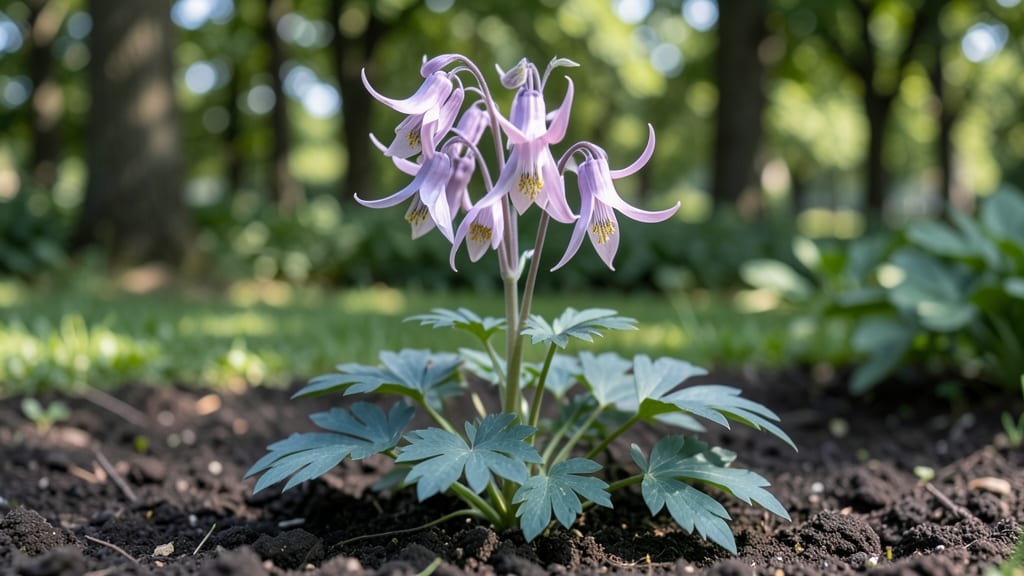
Growing columbine flower plants in shade gardens is the secret weapon for adding vibrant color where others fail. 🌿 I’ve watched these delicate, nodding blooms transform shady corners into magical spots that hum with pollinators—even when hostas and ferns look lackluster.
The trick isn’t complicated: they crave partial shade, rich soil, and a little patience to establish deep roots before their signature bell-shaped flowers appear.
These hardy perennials handle neglect better than most, but they do need well-draining soil mixed with compost—no fancy amendments required. Plant them in spring or fall when temperatures are mild, and space them 12-18 inches apart to give their fern-like foliage room to spread.
Water consistently for the first year, but once established, they’ll bounce back from drought like it’s nothing. The real magic? They self-seed reliably, so you’ll get free plants for years.
By summer, you’ll be rewarded with clusters of nodding blooms in colors from cobalt blue to fiery red, each one a magnet for hummingbirds and bees. The foliage stays lush even in low light, and they rarely suffer from pests—unlike finicky shade plants that demand constant attention.
With minimal effort, you’ll have a garden feature that outperforms anything you’ve tried before in shady spots.
Works in USDA Zones 3-8, whether tucked under trees, along north-facing walls, or in woodland gardens. Here’s how to keep them thriving season after season—no green thumb required.
📚 In This Guide
- What you need
- Instructions
- Tips and common mistakes
- Wrapping up and next steps
What you need
- ● Columbine plants: Choose between seeds (for spring/fall planting), bare-root plants, or nursery-grown transplants (3–6 inches tall).
- ● Well-draining soil: Amend heavy clay with compost (1–2 inches mixed into the top 6–12 inches of soil) or peat moss for sandy soils.
- ● Organic fertilizer: A balanced, slow-release fertilizer (e.g., 10-10-10) or bone meal (1–2 tablespoons per plant) for phosphorus-rich soil.
- ● Mulch: Shredded bark or pine straw (2–3 inches thick) to retain moisture and suppress weeds.
- ● Garden trowel or transplant spade (for digging holes 6–12 inches deep).
- ● Hand pruners (for trimming dead blooms or leggy stems).
- ● Watering can or hose with a gentle spray nozzle (columbines dislike soggy roots!).
- ● Gloves (to protect hands from prickly stems or thorns on some varieties).
- ● Cage or stakes (for tall varieties like Columbine ‘Queen of Hearts’, which may need support).
- ● Slow-release fertilizer spikes (for low-maintenance nutrient boosts).
- ● Companion plants: Pair with hostas, heucheras, or ferns for a lush, shade-friendly garden.
- ● Seed-starting kit (if growing from seed indoors, 6–8 weeks before last frost).
Step-by-Step instructions for planting columbine flower plants
Here’s how to establish these elegant perennials with minimal fuss—ideal for shade gardens.
🌱 Step 1: Choose the Right Planting Location
Columbine thrives in partial to full shade, tolerating 2-6 hours of morning sun but avoiding harsh afternoon rays. I always scout the site first: look for dappled light or filtered shade from trees—this mimics their natural woodland habitat. Avoid soggy spots; well-draining soil prevents root rot, which columbine despises.
Test your soil’s drainage by digging a 6-inch hole and filling it with water. If it drains within 30 minutes, the site is perfect. Amend heavy clay with 2-3 inches of compost (from your materials list) to improve aeration. Columbine’s delicate roots appreciate loose, fertile ground, so don’t skip this prep.
🪴 Step 2: Prepare the Soil and Plant
Dig a hole twice as wide as the root ball but only as deep—columbine roots sit just below soil level. Gently loosen the roots if they’re circling the pot (a common nursery habit). Place the plant in the hole so the top of the root ball sits level with the surrounding soil—burying too deep suffocates stems, while planting too high stresses roots.
Backfill with a mix of native soil and compost, tamping lightly to eliminate air pockets. Water deeply to settle the soil and encourage root contact. I like to add a 1-inch layer of mulch (from your materials) around the base, keeping it 2 inches away from the stem to prevent rot. Mulch retains moisture and regulates temperature—critical for shade-loving plants.
☀️ Step 3: Water and Monitor Early Growth
Keep the soil evenly moist but not soggy for the first 2-3 weeks—columbine’s shallow roots need consistent hydration to establish. Water at the base, avoiding leaves to prevent fungal issues. You’ll know moisture is right when the top 1 inch of soil feels damp but not wet. Overwatering is the fastest way to kill young plants, so check daily until roots take hold.
Watch for new growth within 3-4 weeks—this signals successful transplanting. If leaves yellow or wilt, reduce watering slightly. Columbine is drought-tolerant once established, but young plants need patience. After the initial phase, water 1-2 times per week, adjusting for rainfall. A drip irrigation system (if available) delivers steady moisture without over-saturating.
✂️ Step 4: Prune and Maintain Through the Season
Deadhead spent blooms by snipping stems just above a set of leaves—this encourages a second flush of flowers later in the season. I prune in early summer after the first wave of blooms fades. Avoid cutting into old wood; columbine’s woody stems don’t regenerate well. Wear gloves—some varieties have mildly irritating foliage.
Fertilize lightly in early spring with a balanced, slow-release fertilizer (if using). Columbine doesn’t need heavy feeding—too much nitrogen produces lush leaves at the expense of blooms. Divide clumps every 3-4 years in early spring to prevent overcrowding. Simply dig up the plant, separate the roots, and replant sections 12-18 inches apart. This rejuvenates growth and prevents leggy stems.
Tips & tricks for planting columbine flower plants
These subtle but essential details make all the difference between columbine that thrives and columbine that struggles—trust me, I’ve seen both sides.
Drainage is Non-Negotiable: That 30-minute drainage test in Step 1 isn’t just a suggestion—it’s the single most critical factor for columbine success. If water pools after 30 minutes, you’re looking at root rot. For heavy clay soils, mix in that 2-3 inches of compost right into the hole, not just around it. Think of it as creating a mini "well-draining ecosystem" for those delicate roots.
Root Ball Placement Matters: When you’re placing the plant in Step 2, resist the urge to bury it deeper than the root ball level. Columbine roots are shallow and sensitive—burying too deep suffocates them, while planting too high stresses the plant. The top of the root ball should sit flush with the surrounding soil, like a perfect landscape model. Pro tip: Use a small stick or marker to check depth before backfilling.
Mulch Like a Pro: That 1-inch layer of mulch isn’t just decoration—it’s a moisture regulator and temperature stabilizer. Keep it 2 inches away from the stem to prevent rot, and avoid piling it too thickly (more than 1 inch can suffocate the roots). For extra insurance, use shredded bark mulch, which breaks down slowly and improves soil structure over time.
Watering Wisdom: The 2-3 week "evenly moist" phase requires vigilance. I’ve learned the hard way that checking soil moisture by feel is more reliable than sticking to a schedule. Stick your finger 1 inch into the soil—it should feel like a damp sponge, not a soggy washcloth. Morning watering is ideal because it gives foliage time to dry before evening, reducing fungal risks.
Pro Tips for Columbine Flower Plants
- These subtle but essential details make all the difference between columbine that thrives and columbine that struggle...
- Drainage is Non-Negotiable: That 30-minute drainage test in Step 1 isn’t just a suggestion—it’s the single most criti...
- Root Ball Placement Matters: When you’re placing the plant in Step 2, resist the urge to bury it deeper than the root...
Frequently asked questions
Got questions about growing columbine flower plants? You’re not alone! Here are some of the most common queries—plus straightforward answers to help you cultivate these stunning perennials with confidence.
How long does it take for columbine flowers to bloom after planting?
If you’re starting with seeds, expect blooms in the first or second year—patience is key! Transplants (purchased plants) often reward you with flowers within 6 to 8 weeks of planting, especially if given partial shade and well-draining soil. Pro tip: Deadhead spent blooms to encourage more flowers!
Are columbine flowers cold-hardy? What zones do they thrive in?
Columbines are hardy perennials that survive winters in USDA Zones 3–9. They handle frost beautifully and often return year after year. In colder climates, mulch around the base in late fall to protect roots. Bonus: Their early spring blooms add color before many other perennials!
Why aren’t my columbine flowers opening, or are they wilting?
Wilting or closed blooms often signal stress from overwatering, poor drainage, or too much direct sun. Columbines prefer moist but well-draining soil and partial shade. If leaves yellow, check for root rot or fungal issues—adjust watering and improve airflow. Quick fix: Trim damaged foliage to redirect energy to new growth.
Can I grow columbine flowers in containers? What’s the best pot size?
Yes! Columbines adapt well to containers, especially in 5–7 gallon pots with drainage holes. Use a light, airy potting mix (like one for shade-loving plants) and pair them with companions like heuchera or ferns. Water consistently but avoid soggy soil. Container hack: Elevate pots to prevent waterlogging.
What’s the best way to propagate columbine flowers?
The easiest method is seed propagation—scatter seeds on soil in fall or early spring (they need cold stratification). For division, dig up clumps in early spring or fall, separate roots carefully, and replant. Warning: Avoid overcrowding, as columbines resent root disturbance. Pro tip: Let seed pods dry on the plant for natural dispersal!
Wrapping up and next steps
Columbine flowers are a fantastic addition to shade gardens, offering vibrant colors, resilience, and effortless beauty with minimal care. Whether you’re drawn to their classic charm or unique foliage, these hardy perennials bring joy with little fuss—perfect for both beginners and seasoned gardeners! 🌸
Ready to transform your garden? Start by selecting your favorite varieties and prepping your space. Then, plant with confidence and watch your shade garden bloom into a stunning, low-maintenance oasis!