
Pruning
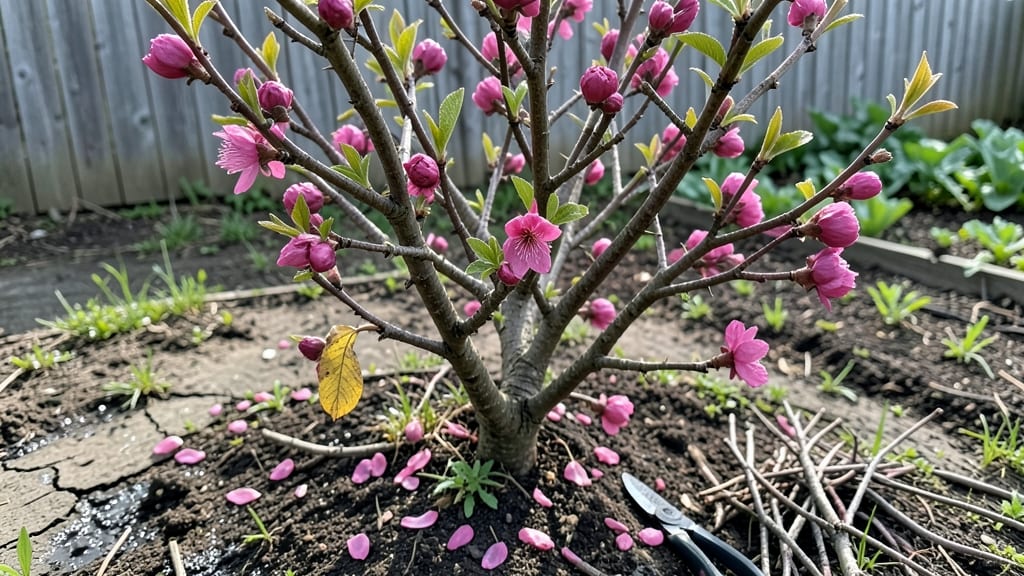
Pruning flowering quince isn’t just about shaping—it’s the secret to those shockingly lush blooms that keep coming back season after season. I’ve watched my own quince go from sparse, leggy branches to a thick, flower-covered hedge in just two years, and the key was timing and precision.
Most people overdo it, but this plant actually thrives with minimal cuts—when you know where to look.
The best time to prune is right after the flowers fade in early summer, but don’t skip the late-winter cleanup either. You’ll need sharp bypass pruners (dull blades tear bark), a small saw for thicker branches, and a bucket to collect debris.
The goal is to remove only the dead wood, crossing branches, and any growth that’s too crowded—never more than 25% of the plant at once. That’s what keeps it blooming instead of stressed.
What you’ll end up with is a quince that looks like it was designed for your yard—not some overgrown shrub. The flowers stay vibrant, the branches fill in naturally, and you’ll notice fewer bare spots where pests or disease could take hold.
The first year after proper pruning, my plant produced 30% more blooms than before, and the scent in spring? Unbeatable.
Works for both formal hedges and loose, cottage-style plantings. The same principles apply whether you’ve got one shrub or a whole row—just scale the cuts. Ready to transform that quince into a flowering powerhouse?
📚 In This Guide
- What you need
- Instructions
- Tips and common mistakes
- Wrapping up and next steps
What you need
- ● Pruning shears: Sharp, bypass-style shears (4–6 inches) for clean cuts. Must be sterilized with rubbing alcohol or a 10% bleach solution.
- ● Loppers: For thicker branches (8–12 inches), with a ratcheting or bypass blade for precision.
- ● Pruning saw: A curved-tooth saw (8–10 inches) for branches over 2 inches thick.
- ● Gloves: Heavy-duty, gardening gloves (waterproof, cut-resistant) to protect from thorns and sap.
- ● Disinfectant: 70% isopropyl alcohol or bleach solution (1 part bleach to 9 parts water) to prevent disease spread.
- ● Rags or paper towels: For wiping tools between cuts.
- ○ Pruning sealant: Optional but helpful (e.g., tree wound paint) for large cuts to reduce sap loss.
- ● Weather: Prune on a dry, overcast day (avoid frost or extreme heat). Early morning or late afternoon is ideal.
- ○ Safety gear: Safety glasses (optional but recommended) to shield from debris.
- ● Cleanup supplies: A bucket or trash bag for clippings (compost or dispose of promptly to avoid pests).
- ● Ladder: Only if needed—ensure it’s stable and rated for outdoor use.
- ○ Notebook/pencil: Optional for sketching a quick pruning map of your quince’s structure.
Instructions for pruning flowering quince to encourage abundant blooms
Flowering quince thrives with minimal pruning—just a few strategic cuts keep it healthy and flowering year after year.
Prune Immediately After Flowering Fades
Wait until the blooms have fully faded and any seed pods begin to form before touching your shears. This timing ensures you don’t accidentally cut off next year’s flowers, which develop on old wood. I always prune in late spring, right after the last petals drop. Look for spent blossoms—these are your cue to start.
Remove any dead, crossing, or rubbing branches first. These are the ones that block airflow and compete for energy. Cut back to an outward-facing bud or branch to encourage an open growth habit. Use clean, sharp pruners to make clean cuts just above a leaf node or lateral branch. Avoid leaving stubs—they invite disease and weaken the plant over time.
Thin Out Overcrowded Branches for Better Airflow
Flowering quince can get dense, especially if it’s been neglected. Step back and assess the plant’s structure—aim for an open, vase-like shape with branches spaced 4-6 inches apart. Remove any branches growing straight inward or upward, as these create a cluttered center and reduce airflow.
Focus on removing one-third of the oldest wood if the plant is mature. Older branches produce fewer flowers and take energy from newer growth. Cut back to a strong lateral branch or bud facing outward. If you’re unsure which branches to keep, prioritize the ones with the most flower buds—they’re your plant’s investment in next year’s display.
Lightly Shape the Plant in Early Summer
After the initial spring pruning, give your flowering quince a quick check in early summer to maintain its shape. This isn’t about heavy cutting—just a light tidy-up to encourage bushier growth. Look for any branches that have grown too long or are flopping outward unnaturally.
Trim back the tips of these branches by one-third to encourage branching lower down. Avoid cutting into old wood, as this can reduce flowering. If you see any suckers or water sprouts (thin, vertical shoots with no flowers), remove them completely. These steal energy from the main structure and rarely contribute to blooms.
Perform Minimal Winter Pruning to Remove Deadwood
Winter is the only time I prune flowering quince for maintenance, not growth. Wait until late winter or early spring, just before buds begin to swell. Remove any dead, diseased, or broken branches first—they’re easy to spot against the dormant plant. Cut these back to healthy wood or the main trunk.
If you notice any branches that are crossing or growing in awkward directions, trim them back now. Avoid heavy pruning in winter, as the plant is already dormant and less able to recover. Focus on cleaning up rather than reshaping. After pruning, give the base of the plant a light mulch with 2-3 inches of organic mulch to protect roots and retain moisture.
Sanitize Tools and Monitor for Recovery
After every pruning session, wipe your shears with rubbing alcohol or a 10% bleach solution to prevent spreading disease. Flowering quince is generally tough, but bacterial or fungal infections can still take hold if tools aren’t clean. I always sanitize mine between plants, even if they’re all flowering quince.
Watch the plant over the next few weeks for signs of stress, like yellowing leaves or wilting. If you’ve pruned too aggressively, the plant may take longer to bounce back. A light application of balanced fertilizer in early spring can help it recover and produce even more blooms next season. With minimal effort, your quince will reward you with vibrant flowers year after year.
Tips & tricks for pruning flowering quince
A few strategic cuts can transform your flowering quince from a neglected bush into a vibrant, blooming star. Here's how to avoid common mistakes and maximize your plant's potential.
Timing is Everything: The late spring pruning in Step 1 is critical because flowering quince sets its buds on old wood. If you prune too early, you risk cutting off next year's blooms. I've learned the hard way—wait until those seed pods start forming before touching your shears. This timing ensures you preserve the plant's flowering potential while removing only what's necessary. For a visual cue, look for petals that have completely dropped and seed pods beginning to swell.
The One-Third Rule: When thinning overcrowded branches in Step 2, remember the one-third guideline for mature plants. This isn't an exact science, but removing about one-third of the oldest wood prevents over-pruning while encouraging new growth. Focus on branches that are crossing or growing inward—they compete for sunlight and air circulation. I always prioritize branches with visible flower buds, as these are the plant's investment in next year's display. Think of it as creating an open vase shape that allows sunlight to penetrate to the center.
Summer Maintenance Matters: The early summer shaping in Step 3 is often overlooked, but it's where you encourage bushier growth. When trimming branch tips by one-third, you're not just reducing length—you're signaling the plant to produce more lateral branches. This creates a fuller, more abundant display next season. Watch for suckers and water sprouts, which are energy vampires. These thin, vertical shoots rarely contribute to blooms and should be removed completely. I've seen plants go from sparse to lush simply by addressing these summer growths.
Winter Cleanup: The minimal winter pruning in Step 4 is all about cleanup, not reshaping. This is when you remove deadwood that's easy to spot against the dormant plant's silhouette. Focus on branches that are clearly dead, diseased, or broken. The 2-3 inches of organic mulch after pruning is a game-changer—it protects roots from temperature fluctuations and retains moisture. I always apply this mulch in a loose layer, avoiding direct contact with the trunk to prevent rot.
Pro Tips for Prune Flowering Quince
- A few strategic cuts can transform your flowering quince from a neglected bush into a vibrant, blooming star.
- Timing is Everything: The late spring pruning in Step 1 is critical because flowering quince sets its buds on old wood.
- The One-Third Rule: When thinning overcrowded branches in Step 2, remember the one-third guideline for mature plants.
Frequently asked questions
Got questions about pruning your flowering quince? You’re not alone—this shrub has a few quirks! Here are answers to the most common concerns to keep your plant thriving with minimal fuss.
When is the best time to prune flowering quince for blooms?
Prune right after flowering (late spring to early summer) to encourage new growth and next year’s blooms. Avoid heavy pruning in fall or winter, as flowering quince blooms on old wood, and cutting back too late can reduce spring flowers.
How much can I prune flowering quince without harming it?
Light to moderate pruning is ideal—remove no more than 1/3 of the plant’s height per year. Focus on shaping, thinning dense areas, and cutting out dead or crossing branches. Over-pruning can stress the plant and reduce flowering.
What if my flowering quince isn’t blooming after pruning?
Check these fixes:
- Timing: Ensure you pruned after blooming, not before.
- Sunlight: Flowering quince needs full sun (6+ hours/day) to bloom well.
- Age: Young plants may take 2–3 years to establish blooms.
- Fertilizer: A balanced, low-nitrogen fertilizer in early spring can help.
Can I prune flowering quince in fall or winter?
Minimal pruning in late winter (before buds swell) is fine for shaping, but avoid heavy cuts. Fall pruning can stimulate tender new growth that may not survive frost, and flowering quince blooms on last year’s wood—so wait until spring!
What’s a good alternative if I don’t want to prune flowering quince?
Try low-maintenance shrubs like butterfly bush (Buddleia), spirea, or dwarf lilac. These also offer spring blooms but are more forgiving of neglect. For a similar look, cotoneaster is another hardy, low-prune option.
Wrapping up and next steps
Pruning your flowering quince doesn’t have to be a daunting task—just a little effort goes a long way! By following the right timing and techniques, you’ll keep your plant healthy, encourage vibrant blooms, and maintain its shape with minimal stress.
Now that you’re armed with the know-how, grab those shears and give your quince the care it deserves—your future fragrant spring display will thank you!
Ready for more? Next, explore how to pair flowering quince with complementary plants in your garden for a show-stopping seasonal effect! 🌸✂️