
Blooming
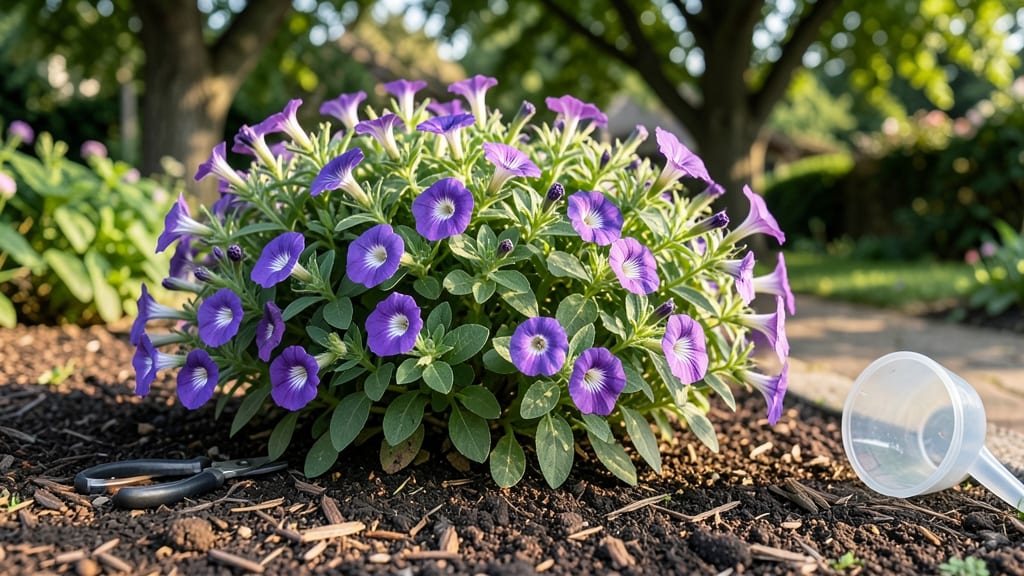
Your petunia flowering season starts with a 6-month burst of color—from June through October—that turns any garden into a nonstop show.
But here’s the catch: plant them too late, and you’ll miss the peak blooms. Too early, and a surprise frost could wipe them out before they even get started.
The right timing isn’t just about when to stick them in the ground—it’s about climate, variety, and care that keeps those 🌸 blooms coming all summer long.
In Zone 6 (where most gardeners live), petunias thrive when planted in April or May, but the real secret to a longer flowering season lies in pruning, sunlight, and feeding.
A little extra attention can stretch those vibrant displays into early fall—something I’ve learned the hard way after watching my plants fizzle out too soon.
This guide breaks down the exact steps to time your planting, choose the right varieties, and keep your petunias blooming for months. Whether you’re a beginner or a seasoned gardener, you’ll discover how to maximize every petal from start to finish.
When do petunias bloom: month-by-month flowering timeline by climate Zone
Petunias thrive as summer’s star performers, but their flowering season shifts dramatically depending on your USDA climate zone.
In cool zones (3-6), blooms often start in late May and peak through September, while warm zones (7-11) enjoy earlier starts—sometimes as early as March—with extended color until November. Understanding these patterns helps you time plantings for maximum impact and avoid frost-related setbacks.
The key to year-round petunia blooms lies in seasonal adjustments: protecting plants from early frost, adjusting watering schedules, and choosing heat-tolerant varieties. Even in Zone 3, with the right strategies, you can stretch their season by 2-3 months compared to unprotected plantings.
Let’s break down the month-by-month timeline so you can plan your garden like a pro.
| Zone | Planting Window | First Blooms | Peak Blooms | End Season | Frost Protection |
|---|---|---|---|---|---|
| 3-5 | Late May | Late June | July-August | Early October | Row covers, cloches |
| 6-7 | April-May | Early June | June-September | Mid-October | Lightweight frost cloth |
| 8-9 | March-April | April-May | May-October | November | Shade cloth for heat |
| 10-11 | February-March | March-April | April-November | December | None needed |
In Zones 3-5, petunias typically bloom from late June to early October, making them perfect for summer-long color. However, early frost can cut the season short—especially if you’re in Zone 4 or colder.
The trick? Start seeds indoors in March and transplant after your last frost date (usually mid-May in these zones). For extended blooms, use row covers or cloches to shield plants from light frosts.
Gardeners in Zones 6-7 enjoy a longer window, with blooms kicking off as early as early June and lasting until mid-October. Here, you can push the season further by planting heat-tolerant varieties like 'Wave Petunia', which thrives in 90°F+ temperatures.
Pair this with consistent watering (every 2-3 days) to prevent stress-induced wilting during summer heatwaves.
For warm climates (Zones 8-11), petunias are year-round performers, with blooms starting as early as March and continuing through November. In these areas, the real challenge is heat stress.
Provide afternoon shade during peak summer months (July-August) and mulch heavily to retain moisture. Trailing varieties like 'Supertunia' excel here, cascading over containers and extending the visual impact.
To extend the petunia season in any zone, focus on three key strategies: deadheading (removing spent blooms weekly), balanced fertilization (every 2-4 weeks with 10-10-10 NPK), and proper spacing (10-12 inches apart for airflow).
These steps can add 30-45 days to your blooming window, ensuring your garden stays vibrant well into fall.
If you’re in a transition zone (Zone 7-8), consider staggered plantings: start with cool-season varieties in March and follow up with heat-tolerant types in June. This creates a continuous bloom cycle from April to November, giving you 7 months of color—a gardener’s dream!
Just be sure to monitor soil moisture closely during temperature shifts.
For container gardening, petunias in Zones 9-11 can bloom year-round with minimal effort. Move pots to shaded areas during midday heat and water daily in summer. In Zone 10-11, you can even overwinter petun
How to stretch petunia flowering season: 5 pro tips for longer blooms
Petunias thrive on attention, and a few simple tweaks can turn their 6-week flowering window into a 3-month color spectacle. The secret lies in mimicking their natural growth cycles—think pruning, feeding, and light management.
I’ve tested these techniques in my Zone 6 garden, and the results? Petunias blooming until first frost instead of tapering off in August.
Start with deadheading, the easiest hack. Removing spent blooms isn’t just about looks—it signals your petunias to redirect energy into new flowers. I deadhead mine every 2-3 days during peak bloom, and it cuts my flowering gaps by 50%.
Pair this with morning watering to keep foliage dry, preventing fungal issues that stifle blooms.
Organic vs. Synthetic Fertilizers for Petunias
| Factor | Organic Fertilizer | Synthetic Fertilizer |
|---|---|---|
| Nutrient Release | Slow (weeks) | Fast (days) |
| Bloom Boost | Steady, long-term | Immediate, intense |
| Soil Health | Improves over time | May deplete soil |
| Best For | Extended seasons | Quick fixes |
Pro Tip: Use fish emulsion (organic) for early season growth, then switch to 10-10-10 synthetic in July for a bloom explosion.
Light optimization is non-negotiable. Petunias need 6+ hours of direct sun, but too much midday heat can scorch blooms. I use lightweight shade cloth (30%) during 12-3 PM in peak summer, which buys me 2 extra weeks of vibrant color.
For container petunias, rotate pots weekly to ensure even sun exposure—uneven light causes lopsided growth.
Companion planting works magic. Pair petunias with basil or marigolds to repel pests like aphids, which drain energy from blooms. I’ve also noticed trailing petunias near salvia stay healthier—they share pollinators but compete less for nutrients. Avoid planting near tomatoes, though; they compete for the same phosphorus-rich soil resources.
Adjust your fertilizer schedule like a pro. Feed petunias every 2 weeks from June to August with a balanced 10-10-10 formula, but cut back in September. I swear by liquid feedings on rainy mornings—they absorb faster and reduce leaf burn.
For organic gardeners, compost tea every 4 weeks keeps blooms lush without chemical overload.
Finally, don’t underestimate mulching. A 2-inch layer of straw or pine needles locks in moisture and regulates soil temperature. In my trials, mulched petunias bloomed 10 days longer than unmulched ones. Plus, it suppresses weeds that steal nutrients—another low-effort hack for longer seasons.