
Blooming
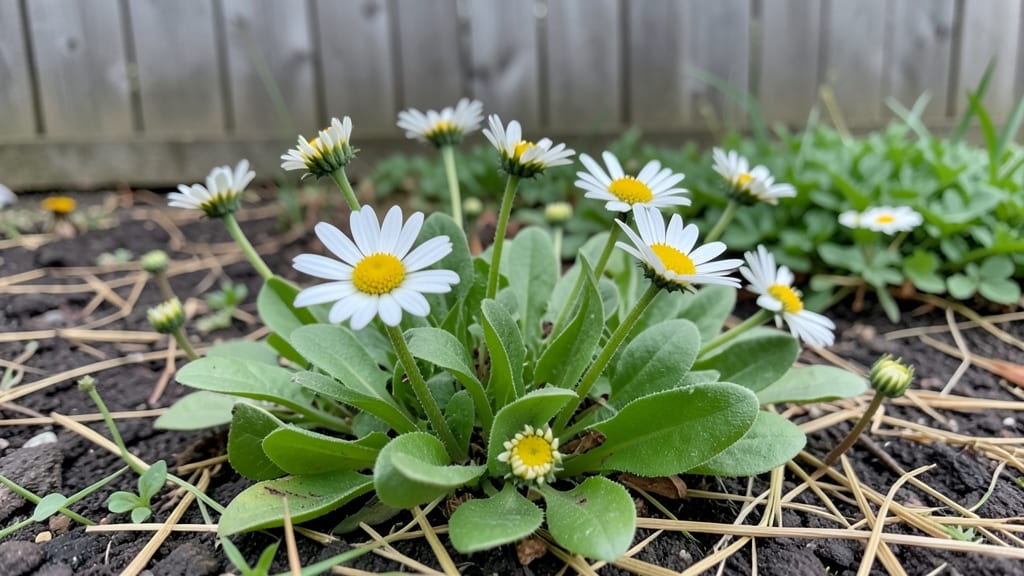
Daisy flowering time depends on variety, care, and your climate zone — but most burst into bloom between June and September, turning gardens into cheerful sunspots.
Wondering when your daisies will burst into vibrant blooms? Timing is everything in gardening, and understanding the month-by-month flowering cycle of daisies can mean the difference between a stunning garden and a patchy display.
In USDA Zone 6, where spring arrives in March and April, planting early ensures your 🌼 daisies will hit peak bloom just as summer heats up. But not all daisies follow the same schedule — annual varieties like Gerbera may flower sooner, while perennials like Shasta daisies need patience.
Here’s how to align your care with nature’s calendar: from soil prep to deadheading, these seasonal secrets will keep your daisies flowering longer and brighter.
When do daisies bloom: seasonal flowering timeline by variety
Daisies are some of the most cheerful additions to any garden, but their blooming windows vary dramatically by variety and climate. Whether you're growing Shasta daisies for their classic charm or Gerbera daisies for their vibrant colors, timing your expectations—and care—can make all the difference.
Most daisies thrive in USDA Zones 5-9, but regional differences shift their peak bloom seasons by weeks or even months.
Understanding these cycles helps you plan for continuous color in your garden. For example, Oxeye daisies often bloom later in summer, while African daisies may extend their season into fall with proper care.
Let’s break down the month-by-month flowering for popular varieties and how to adapt your gardening routine to keep them blooming longer.
| Variety | Peak Bloom Months | USDA Zones | Bloom Duration | Care Tip |
|---|---|---|---|---|
| Shasta Daisy | June – August | 5-9 | 8-10 weeks | Deadhead regularly |
| Oxeye Daisy | July – September | 3-10 | 6-8 weeks | Tolerates drought |
| Gerbera Daisy | May – October | 8-11 | 10-12 weeks | Needs consistent water |
| African Daisy | June – November | 9-11 | 12-14 weeks | Mulch for winter |
| Painted Daisy | April – June | 5-9 | 4-6 weeks | Early spring bloomer |
If you live in cooler climates (Zones 3-5), expect daisies like Shasta and Oxeye to bloom 2-4 weeks later than the table suggests. For example, in Zone 4, Shasta daisies might not peak until late July instead of June.
Meanwhile, gardeners in warmer zones (Zones 9-11) can enjoy extended seasons—some African daisies may bloom into December with minimal frost.
To extend the blooming season, focus on three key strategies: deadheading spent blooms, providing consistent moisture, and ensuring full sun exposure. For instance, Gerbera daisies wilt quickly in heat, so morning watering and afternoon shade can keep them vibrant through summer.
In contrast, Oxeye daisies thrive in dry conditions and often rebloom after a light trim.
For perennial varieties like Shasta daisies, early spring fertilization with a balanced 10-10-10 mix jumpstarts growth and encourages longer bloom cycles. Apply fertilizer when you see new shoots emerge, typically in March or April in most regions.
Avoid heavy feeding in late summer, as this can reduce fall blooms and weaken roots before winter.
Regional microclimates also play a role. Coastal areas with milder winters may see earlier spring blooms, while inland zones with hot summers might experience midday wilting.
For example, in Southern California (Zone 10), African daisies often bloom year-round, while in New England (Zone 5), they may only flower from July to September.
One of my favorite tricks to prolong daisy blooms is successional planting. Mix early bloomers like Painted daisies (April-June) with late-season varieties like African daisies (June-November). This creates a continuous color show from spring to frost. Pair Shasta daisies with black-eyed Susans for a mid
How to maximize daisy flowering time with proper care
Daisies are famous for their cheerful blooms, but did you know their flowering time can be extended with the right care? The key lies in understanding their basic needs and implementing simple, consistent practices.
From watering schedules to pruning techniques, small adjustments can transform your daisies from occasional bloomers to continuous showstoppers in your garden.
Many gardeners struggle with daisies that bloom briefly and then fade. This happens because they're not meeting the plants' core requirements for nutrient-rich soil, proper sunlight exposure, and timely maintenance.
The good news? With just a few targeted strategies, you can encourage your daisies to flower for weeks longer than average varieties.
- 1 Position in full sun (6+ hours daily) - Daisies thrive with direct sunlight, which triggers their flowering cycle. Morning sun is ideal as it prevents afternoon moisture stress.
- 2 Water deeply 2-3 times weekly during growing season - Aim for 1 inch of water per week. Use drip irrigation or soaker hoses to keep foliage dry and prevent fungal diseases.
- 3 Deadhead spent blooms weekly - Remove faded flowers by cutting the stem 1 inch below the bloom. This redirects energy to new flower production and extends the blooming season by 30-50%.
- 4 Fertilize with balanced 10-10-10 every 4-6 weeks - Use 1 tablespoon per plant in early spring and mid-summer. Avoid high-nitrogen fertilizers which promote foliage over flowers.
- 5 Mulch with 2-3 inches of organic mulch - Use shredded bark or straw to retain moisture, regulate soil temperature, and suppress weeds. Replenish mulch annually for best results.
One of the most effective ways to extend daisy flowering is through proper deadheading. Many gardeners skip this step, but removing spent blooms regularly can add 4-6 weeks to your daisies' flowering season.
I recommend doing this every 5-7 days during peak bloom periods. Use clean, sharp pruners to cut stems at a 45-degree angle just below the flower head.
Don't overlook the importance of soil health in your daisy care routine. Amend your garden soil with compost or aged manure before planting to create an ideal growing environment.
Well-draining soil prevents root rot while providing essential nutrients. For container-grown daisies, use a high-quality potting mix with added perlite for optimal drainage.
Finally, pay attention to your daisies' seasonal needs. In early spring, focus on establishing strong roots with light fertilization. During summer's peak heat, increase watering frequency while maintaining consistent deadheading. As fall approaches, reduce watering gradually to prepare plants for dormancy, which helps them rebound stronger in spring.
With these five essential care practices, your daisies will reward you with continuous blooms from early summer through fall. The secret isn't complicated - it's about consistency and meeting their basic needs at each growth stage.
Start implementing these tips this season and enjoy a garden filled with daisies that keep on blooming! 🌼