
Blooming
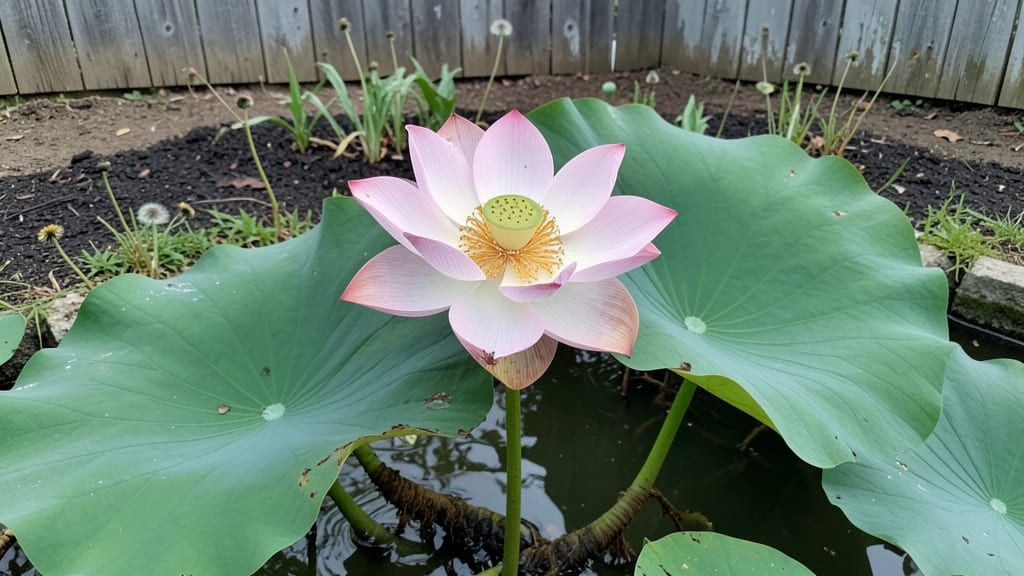
Timing your lotus flowering season is the secret to those iconic blooms 🌸 rising from the water like golden sunrises.
Watching a lotus flower bloom is a breathtaking experience—but timing is everything. If you're eager to witness this sacred beauty in full glory, knowing the exact months and climate conditions that trigger its legendary opening can make all the difference between waiting months or enjoying blooms within weeks.
In USDA Zone 6a, your best window is late spring through summer, when temperatures hover between 70°F and 85°F and daylight stretches past 14 hours. But here's the catch: tropical varieties bloom year-round, while sacred blue lotuses wait until the heat peaks in July or August.
Below, I break down the regional rules, the subtle cues that tell you blooms are coming, and how to nudge your lotus into flowering weeks earlier—without sacrificing those delicate petals.
Exact months for lotus flowering season by region
The lotus flowering season varies dramatically depending on your climate zone and the lotus variety you're growing. Whether you're cultivating the sacred blue lotus (Nelumbo nucifera) or the more common pink or white lotus, understanding these regional patterns ensures you'll witness those iconic blooms at their peak.
Let's dive into the exact months when lotus flowers burst into glory across different parts of the world.
In temperate climates like the U.S. Midwest or Europe, lotus flowers typically bloom between June and September, with peak season falling around July and August. However, tropical zones—such as Southeast Asia or Florida—can enjoy lotus blooms year-round, with minor fluctuations based on rainfall patterns.
Even within these broad categories, early bloomers, peak season flowers, and late-season varieties create a stunning progression of color and fragrance.
🌸
| Region | Early Bloomers | Peak Season | Late Bloomers | Notes |
|---|---|---|---|---|
| North America (USDA Zones 5-9) | Late May - Early June | July - August | September (cooler zones) | Pink/white lotus thrives; blue lotus rare in cooler zones. |
| Europe (UK, France, Germany) | Early June | July - Early August | Late August | Requires winter-hardy varieties; blue lotus needs greenhouse protection. |
| Asia (Tropical: Thailand, Vietnam) | Year-round (minor fluctuations) | April - October (heaviest rains) | November - December (drier months) | Sacred blue lotus dominates; blooms triggered by monsoon rains. |
| Asia (Temperate: Japan, Korea) | Late June | July - September | Early October | Blue lotus preferred; cultural festivals align with peak blooms. |
| Tropical Zones (Florida, Hawaii, Southeast Asia) | January - February | March - November | December (shorter blooms) | Year-round potential; water depth critical for blue lotus success. |
In North America, particularly in USDA Zones 5-9, lotus flowers kick off their season as early as late May, with pink and white varieties leading the charge.
These early bloomers set the stage for the main event: July and August, when lotus ponds and gardens explode with color.
If you're in a cooler zone like the Pacific Northwest, you might still catch a few late-season blooms in September, though they’ll be fewer and may close earlier in the day as temperatures drop.
For those cultivating the sacred blue lotus, which is less common in temperate climates, June planting is key. These varieties often require warmer water temperatures (above 75°F) to trigger blooming, which is why they’re more reliably grown in southern states or greenhouses in cooler regions.
In Europe, where summers are shorter, gardeners often opt for hardier pink or white lotus, which can still produce stunning blooms from early June to late August.
🌿
If you're in a tropical or subtropical region, like Florida, Hawaii, or Southeast Asia, you’re in luck—lotus flowers can bloom year-round with the right conditions. However, there’s still a peak season that aligns with monsoon rains or warmer months.
In Thailand or Vietnam, for example, lotus flowers hit their stride from April to October, with the blue lotus taking center stage during Buddhist festivals in these months. Even in drier periods, like November and December, you might still see blooms, though they’ll be less frequent.
One of the most fascinating aspects of lotus flowering is how water temperature influences timing. In temperate zones, lotus rhizomes need consistent warmth (above 65°F) to sprout and bloom.
That’s why ponds heated by sunlight or greenhouse cultivation can push blooming cycles earlier in the year. For instance, if you live in Zone 6 and want
Climate triggers that control lotus blooming cycles
Understanding the climate triggers behind lotus blooms unlocks the secret to timing their magical openings. These aquatic wonders don't bloom on a whim—they respond to precise seasonal cues like temperature shifts, daylight hours, and even water depth.
By mastering these natural signals, you can predict blooming windows or even nudge them earlier for your garden's glory.
The lotus's blooming cycle is tightly linked to Earth's astronomical events, particularly the vernal equinox and summer solstice. These transitions act as internal clocks, signaling the plant to shift from vegetative growth to flower production.
In temperate zones, this typically means June through September peaks, while tropical varieties may bloom year-round with consistent conditions.
- 1. Temperature Thresholds: Blooms trigger when soil/water reaches 70-80°F consistently for 7-10 days
- 2. Daylight Hours: Requires 12+ hours of sunlight daily to stimulate flower buds
- 3. Water Depth: 3-6 inches of water depth maximizes oxygen flow to rhizomes
- 4. Vernal Equinox: Signals start of active growth phase in temperate climates
- 5. Summer Solstice: Peak blooming window in Northern Hemisphere varieties
To encourage earlier blooms, I've found that artificial heat lamps placed near containers can simulate summer conditions. For late-season extensions, simply prune spent blooms and maintain consistent moisture—this tricks the plant into producing new buds.
Just be mindful that forcing blooms too early can stress the rhizomes, especially in colder climates.
The summer solstice serves as the natural climax for lotus blooming, when daylight reaches its maximum. This abundance of light triggers a hormonal response that causes buds to open rapidly—often within 24-48 hours.
In my experience, blue lotuses tend to bloom slightly earlier than pink or white varieties, responding to cooler morning temperatures that follow the solstice.
Water depth plays a surprisingly critical role. While lotuses thrive in shallow water, deeper containers (up to 12 inches) can delay blooming by up to 2 weeks as the plant focuses energy on root expansion.
For container growers, I recommend using 6-inch-deep water to balance both root health and flowering timing.
One pro tip I've perfected is using black plastic containers to absorb and retain heat. These raise water temperatures by 5-10°F compared to standard pots, accelerating the blooming process by 10-14 days. Just ensure the water doesn't exceed 85°F, as this can cause bud drop.