
Flowers
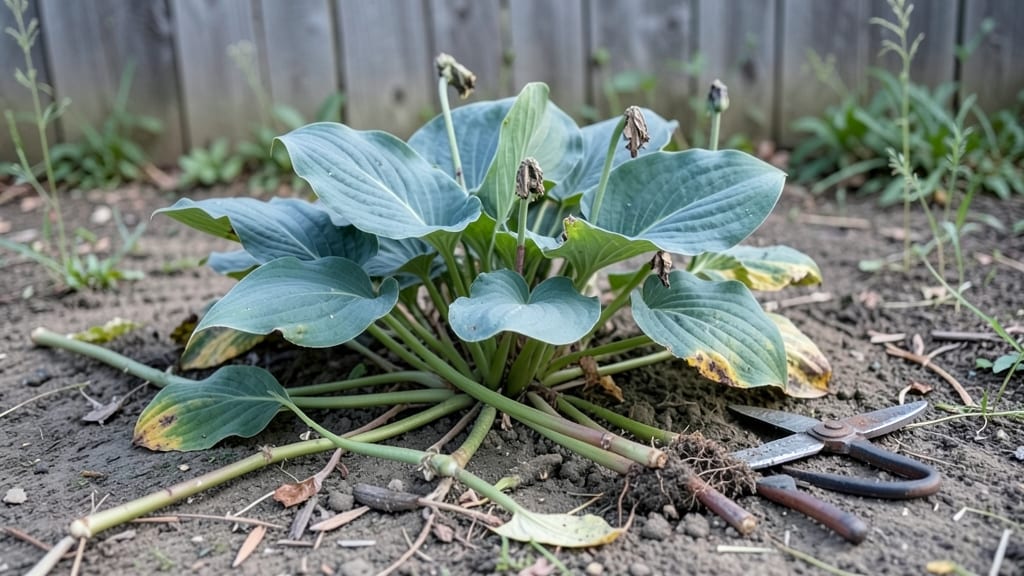
Cutting hosta flowers isn’t just about tidying up—it’s the secret to thicker, more vibrant foliage that makes your garden the envy of the neighborhood. 🌿 I used to leave those tall flower spikes alone, thinking they were harmless, but after one season of leggy leaves and fewer blooms, I learned the hard way: hostas reward pruning with bold, healthy growth that lasts all summer.
The best time to cut them is right after flowering, usually in late summer when the seed heads turn brown. You’ll need clean pruners (or sharp scissors) and about 10 minutes—seriously, it’s that simple.
Just snip the flower stalk at the base, and watch how the plant redirects energy into stronger leaves instead of seed production. The roots stay happy, the foliage stays lush, and next year’s blooms come back even stronger.
What you’ll end up with is hostas that look like they’ve been pampered by a pro—deep green, sturdy, and packed with that signature texture gardeners love.
The key is timing: too early, and you rob the plant of its natural cycle; too late, and you risk weakening it before winter. But nail it, and you’ll have hostas that thrive for years without losing their edge.
Works for all hosta varieties, from tiny miniatures to giant dinner-plate leaves. Once you try it, you’ll wonder why you didn’t do this sooner—your hostas (and your garden’s curb appeal) will thank you.
📚 In This Guide
- What you need
- Instructions
- Tips and common mistakes
- Wrapping up and next steps
What you need
- ● Clean, sharp pruners or shears – Bypass pruners (4-6 inches) work best for precise cuts without crushing stems.
- ● Disinfectant (rubbing alcohol or bleach solution) – 1 part bleach to 9 parts water to sterilize tools and prevent disease.
- ○ Gloves (optional but recommended) – Nitrile or garden gloves to protect hands from sap and sharp edges.
- ● Trash bag or compost bin – For disposing of spent flowers and debris.
- ○ Garden twine or rubber bands (optional) – To bundle cut flowers for composting or disposal.
- ● Hand lens or magnifying glass – For spotting pests or fungal issues on stems.
- ● Pruning sealant – Only if cutting large stems to prevent sap oozing.
- ● Notebook & pen – To track pruning dates and plant responses.
- ● Knee pad or stool – For comfort if working with large hosta patches.
Step-by-Step instructions for pruning hosta flowers
Here's my foolproof method to keep your hostas lush and vibrant all season.
✂️ Step 1: Time Your Pruning for Peak Foliage
Cut hosta flowers right after they bloom—typically in late summer when the blooms fade but before seed pods form. This timing ensures you remove spent flowers while still letting the plant store energy for next year. I always wait until at least 50% of blooms have wilted to avoid shocking the plant too early.
If you prune too soon, you might remove flowers that could still attract pollinators. If you wait too long, the plant wastes energy producing seeds instead of growing new leaves. Watch for brown, crispy petals—that’s your cue to act.
✂️ Step 2: Use Clean, Sharp Pruners for Precision Cuts
Grab your bypass pruners and sterilize the blades with rubbing alcohol to prevent spreading disease. Cut just above the first set of healthy leaves where the flower stalk meets the foliage. This ensures you remove the entire spent bloom without damaging the plant’s energy stores.
Don’t tear or rip the stems—clean cuts heal faster and look better. If you’re dealing with a large clump, I like to work section by section to stay organized. After each cut, wipe the pruners on a clean cloth to keep them sharp and sanitary.
🌿 Step 3: Remove Only the Flowers, Leave the Foliage Alone
Your goal is to eliminate the flower stalks entirely while preserving the hosta’s thick, attractive leaves. Avoid trimming the leaves unless they’re yellowed or damaged—healthy foliage is what makes hostas a garden staple. Focus only on the brown, woody stems that once held blooms.
If you accidentally nick a leaf, don’t stress—hostas are tough. Just keep an eye on the cut edge for signs of rot or pests. I’ve found that leaving a few extra inches of stem below the cut helps the plant heal without leaving unsightly stubs.
💧 Step 4: Water and Fertilize After Pruning
Give your hostas a deep watering right after pruning to help them recover. The roots will need extra moisture to support new growth. I like to water at the base rather than overhead to keep the leaves dry and prevent fungal issues.
Follow up with a balanced, slow-release fertilizer (like 10-10-10) to replenish nutrients. Hostas are heavy feeders, and pruning can temporarily disrupt their nutrient balance. Spread the fertilizer evenly around the plant and water it in well to activate the granules.
⏰ Step 5: Monitor for New Growth and Adjust as Needed
Within 2-3 weeks, you should see fresh, vibrant foliage emerging from the center of the plant. This is your reward for a job well done! Keep an eye out for new shoots—these indicate the plant is redirecting its energy toward leaf production instead of seed development.
If you notice yellowing leaves after pruning, it might mean the plant is stressed. In that case, reduce watering slightly and hold off on fertilizing until the leaves regain their color. Hostas are resilient, but they do best when given a little extra care after a big pruning session.
Tips & tricks for perfect hosta flower pruning
These garden-tested strategies will help you prune hosta flowers like a pro while keeping your plants thriving.
The Timing Secret: Late summer is your sweet spot for pruning—aim for when at least 50% of the blooms have turned brown and crispy. I've learned the hard way that pruning too early removes flowers that could still attract pollinators, while waiting too long lets the plant waste energy on seed production instead of growing those gorgeous leaves we all love. The key is watching for those telltale brown petals rather than relying on a calendar date.
Precision Cutting Technique: When you're making those clean cuts just above the first set of healthy leaves, here's my pro move: I like to make a slight diagonal cut rather than straight across. This helps water run off better and gives the plant a cleaner look. And remember, in Step 2, those bypass pruners should be sharp enough to cut through stems with minimal resistance—if you're struggling, it's time to sharpen them or get a new pair.
Post-Pruning Care: After you've removed all those spent flower stalks, don't forget the recovery phase. That deep watering in Step 4 isn't just about hydration—it's about helping the roots establish new connections after the shock of pruning. I've found that adding a handful of compost to the soil at this stage gives an extra nutrient boost without overwhelming the plant. Just mix it lightly into the top inch of soil around the base.
Monitoring New Growth: Those 2-3 weeks mentioned in Step 5 can feel like forever when you're eagerly waiting for new shoots! Here's what to watch for: new growth should emerge from the center of the plant, not from the sides. If you see shoots coming from the outer edges, it might mean your plant is stressed or needs to be divided. And if you notice any yellowing leaves after pruning, resist the urge to panic—just hold off on fertilizing until the leaves regain their color.
Pro Tips for Cutting Hosta Flowers
- These garden-tested strategies will help you prune hosta flowers like a pro while keeping your plants thriving.
- The Timing Secret: Late summer is your sweet spot for pruning—aim for when at least 50% of the blooms have turned brown and crispy.
- Precision Cutting Technique: When you're making those clean cuts just above the first set of healthy leaves, here's my pro move: I like to make a slight diagonal cut rather than straight across.
Frequently asked questions
Got questions about cutting hosta flowers?
You’re not alone! Here are answers to the most common ones to help you prune with confidence.
When is the best time to cut hosta flowers?
The ideal time to cut hosta flowers is right after they bloom (late spring to early summer) or in early fall. Removing spent blooms prevents seed production, which can drain energy from the plant. Avoid cutting in winter—hostas are dormant and more vulnerable to damage.
Do I need special tools to cut hosta flowers?
Nope! A pair of clean, sharp pruners or even sterilized scissors will do the job. Avoid dull tools—they can crush stems and invite disease. For large clumps, shears work too. Just disinfect them with rubbing alcohol between cuts to prevent spreading pathogens.
Will cutting hosta flowers hurt the plant?
Not at all—in fact, it helps! Removing flowers redirects the plant’s energy toward stronger foliage and root growth. Hostas are hardy and bounce back quickly. Just avoid over-pruning; leave at least 2–3 inches of stem below the flower head to support future growth.
What if my hosta flowers are still green or unopened?
If flowers are green or budding, leave them be! Cutting them too early can stress the plant. Wait until blooms fully open and start wilting before trimming. This ensures you’re only removing spent flowers, not robbing the hosta of its natural cycle.
Can I use the cut flowers in arrangements?
Hosta flowers make charming, fragrant additions to bouquets or dried arrangements. Just rinse them under cool water to remove pests or debris. For drying, hang upside down in a dark, dry space for 2–3 weeks. Pro tip: Pair them with eucalyptus or ferns for a lush, woodland vibe!
Wrapping up and next steps
Cutting hosta flowers may seem counterintuitive, but it’s a simple way to boost your plant’s health and foliage growth!
By removing spent blooms and redirecting energy, you’ll reward your hostas with lush, vibrant leaves that steal the show. 🌿 Now that you’re armed with the right tools and techniques, why not give it a try?
Start with just one or two plants this season—observe the difference, and soon you’ll be pruning like a pro. Happy gardening! 🌱