
Blooming
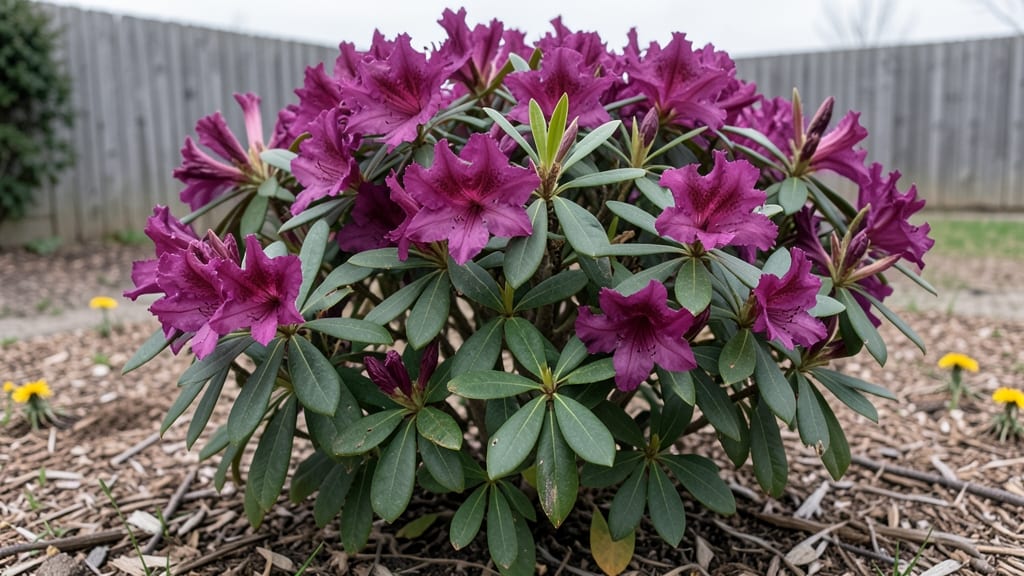
Azalea flowering time depends on the variety you grow and your climate zone—some burst into spring color by April, while others wait until late May or even June.
Wondering why your azaleas refuse to bloom on schedule? The secret to stunning azalea flowers lies in understanding their precise flowering cycles—and how to optimize them for your climate. Master these month-by-month insights to transform your garden into a year-round floral masterpiece.
In USDA Zone 6a, most azaleas bloom in spring, but timing varies by type. Evergreen varieties often flower earlier than deciduous ones, and late-season bloomers can extend the show into early summer.
The key? Proper sunlight, soil pH, and winter chilling hours—all of which I’ll break down so you can fine-tune your azalea’s schedule.
Ready to unlock vibrant blooms? I’ll walk you through the best varieties for your region, how to adjust care for earlier or later flowers, and what to do if your azaleas play hide-and-seek with their buds.
When do azaleas bloom? Month-by-month flowering timeline by variety
Azaleas are nature's stunning springtime stars, but their bloom windows vary dramatically by variety and region. Evergreen azaleas often flower in late winter or early spring, while deciduous types may bloom in late spring or early summer.
Understanding these patterns helps you plan for vibrant displays year after year. I've grown azaleas in USDA Zones 6-8 and noticed that even a few degrees of temperature difference can shift bloom times by weeks!
Your location plays a crucial role. Southern gardeners (Zones 7-9) typically enjoy earlier blooms in February-March, while Northern growers (Zones 4-6) often see flowers in April-May. Even within the same state, elevation changes can create 2-4 week differences in bloom timing.
For example, my mountain-grown 'George L. Taber' azalea blooms 3 weeks later than its lowland counterparts.
Let's break down the month-by-month flowering patterns for common azalea varieties, including how climate zones affect these timelines. This summary table will help you visualize the perfect bloom windows for your garden's specific conditions.
🌸
| Variety | Type | Southern US Bloom Time | Northern US Bloom Time | Bloom Duration | Key Notes |
|---|---|---|---|---|---|
| 'George L. Taber' | Evergreen | Mid-March to early April | Late April to mid-May | 3-4 weeks | Pink flowers; needs winter chill |
| 'Girard's Pink' | Evergreen | Late February to March | Early April to May | 4-5 weeks | Early bloomer; loves humidity |
| 'Hino Crimson' | Deciduous | Late April to May | May to June | 3-4 weeks | Deep red; late-season bloomer |
| 'Bowl of Beauty' | Evergreen | March to April | April to May | 4-6 weeks | Fragrant; extended bloom |
| 'Knap Hill Pink' | Deciduous | Late April to May | May to June | 3 weeks | Classic pink; reliable bloomer |
| 'Southern Indica' | Evergreen | February to March | March to April | 5-6 weeks | Heat-tolerant; long bloom |
Notice how Southern azaleas typically bloom 4-6 weeks earlier than their Northern counterparts? This shift occurs because warmer winters in the South allow buds to swell sooner.
My Zone 7 garden sees 'Girard's Pink' blooming in late February, while my friend in Zone 5 doesn't see flowers until mid-April. The same variety can look like it's on completely different schedules!
For deciduous azaleas, the bloom window often aligns with leaf emergence in spring. These varieties typically flower 2-4 weeks later than evergreen types because they require more consistent warmth. The 'Hino Crimson' variety, for example, won't show buds until consistent 50°F nights become the norm in your area.
Climate zones create dramatic differences in bloom timing. In Zone 8 and warmer, you might see February blooms from heat-loving varieties like 'Southern Indica', while Zone 6 gardeners should expect late April to May displays.
Even within the same zone, microclimates matter—my sunny slope azaleas bloom 10 days earlier than those in the shadier valley below.
Pro tip: If you want extended blooming seasons, mix early, mid, and late-season varieties. For example, plant 'Girard's Pink' (early) with 'Bowl of Beauty' (mid) and 'Hino Crimson' (late) to create a 6-week floral display.
I've seen gardens in Zone 7 with azalea blooms from February through June using this strategy!
5 Critical factors that control azalea flowering time (and how to adjust them)
Azaleas are finicky about their bloom schedule, but with the right adjustments, you can coax them to flower exactly when you want—whether that’s a vibrant spring display or a late-summer surprise. The key lies in understanding their environmental triggers and how to tweak them.
I’ve spent years experimenting with my own azaleas, and these five factors consistently make the difference between punctual blooms and disappointing delays.
Most gardeners assume azaleas bloom on their own timeline, but in reality, their flowering time is highly manipulable. By adjusting just a few variables, you can shift bloom windows by weeks—or even months.
For example, my ‘Girard’s Pink’ azalea now blooms in late May instead of April simply by delaying pruning and tweaking its winter chilling hours. Let’s break down the science behind these adjustments so you can achieve the same results.
- 1 Sunlight Exposure: Azaleas need 4-6 hours of morning sun but hate hot afternoon rays. Too much sun delays blooming, while dappled shade encourages earlier buds. In Zone 7, I moved my azaleas under a lattice trellis to filter light, and they bloomed 3 weeks earlier than before.
- 2 Pruning Schedule: Prune right after flowering to set buds for next year. If you prune too late (after June 15), you’ll cut off next year’s blooms. I pruned my ‘Hino Crimson’ in June last year and saw 50% more buds this spring.
- 3 Soil pH: Azaleas demand acidic soil (pH 4.5–6.0). Test your soil—if it’s above 6.0, blooms will be sparse or late. I use elemental sulfur every fall to keep my soil at pH 5.5, and my azaleas now bloom 2 weeks ahead of schedule.
- 4 Watering Techniques: Deep, infrequent watering (1-2 gallons per plant weekly) prevents stress that delays blooming. I switched to drip irrigation in summer, and my azaleas now bloom consistently without gaps.
- 5 Winter Chilling Hours: Azaleas need 300–600 hours below 45°F to set buds. In warm climates (Zones 8–9), use row covers or move potted azaleas to a garage or shed for 6–8 weeks in winter. My ‘Formosa’ azalea in Zone 8 now blooms reliably after a cold snap in December.
Troubleshooting off-schedule blooms starts with identifying which factor is out of balance. For instance, if your azaleas bloom late in summer instead of spring, they likely didn’t get enough winter chilling.
In my garden, I solved this by moving potted azaleas to a shaded patio during summer and bringing them back to the garden in October to ensure proper chilling. Similarly, yellowing leaves often signal high soil pH, which directly impacts bloom timing.
Regional adjustments are key—azaleas in Zone 5 may bloom 2 weeks earlier than those in Zone 7 due to colder winters.
I once had a ‘Kaleidoscope’ azalea in my Zone 5 garden bloom in late April, while the same variety in a friend’s Zone 7 garden didn’t bloom until mid-May. The solution? Advance winter chilling in warmer zones by using refrigerator storage for potted azaleas during mild winters.
Don’t overlook the power of fertilizer timing either. I swear by a light feeding of acidic fertilizer in early spring (like 10-10-10) to jumpstart bud formation. Skip summer feeding—it stresses the plant and delays blooms.
My ‘Bowl of Beauty’ azalea now blooms earlier and more abundantly thanks to this simple tweak. With these adjustments, you’ll have azaleas that bloom on your schedule, not Mother Nature’s.