Blooming
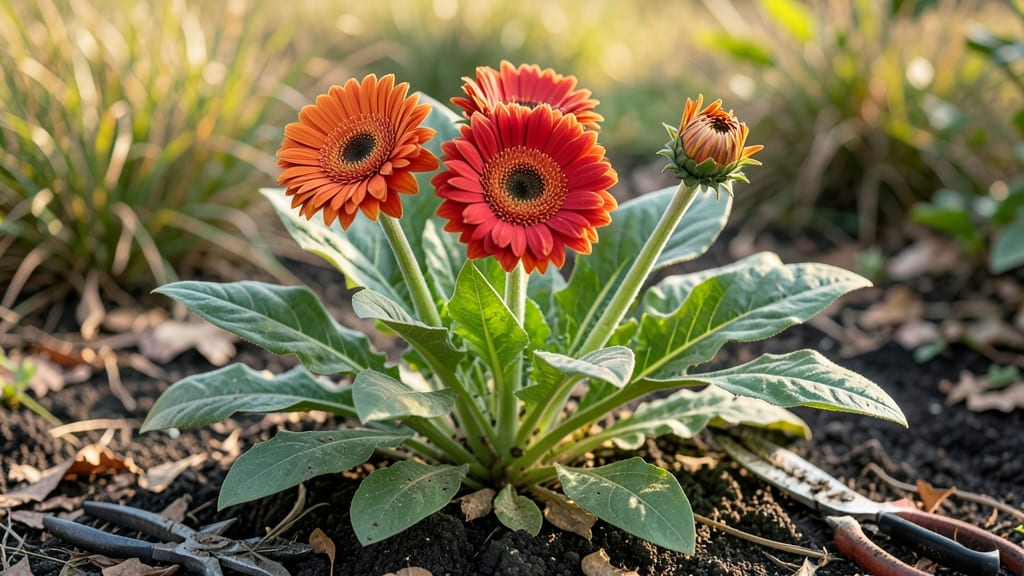
The gerbera flowering time depends on your zone and care, but these cheerful blooms typically light up gardens from summer through early fall when planted in spring.
Want vibrant gerbera daisies blooming all season long? Understanding their flowering time and seasonal triggers is the secret to transforming your garden into a nonstop floral display.
These cheerful blooms thrive in 60-75°F temperatures and need 6-8 hours of sunlight daily, but even the best conditions won’t guarantee flowers if you miss their natural cues. Daylight length and soil health play a bigger role than most gardeners realize.
Below, I’ll break down the exact timing for your region, how to extend blooms beyond their usual window, and the 3 key mistakes that keep gerberas from flowering—so you can enjoy those bright petals for months.
Understanding gerbera daisy flowering seasons: when and why they bloom
Gerbera daisies are famous for their bright, cheerful blooms that light up gardens from late spring through fall. But did you know their flowering time is tightly linked to daylight hours and temperature ranges?
These factors act like a natural timer, triggering blooms when conditions are just right. By understanding these seasonal cues, you can extend their blooming period or even coax flowers outside their usual schedule.
In most temperate climates (USDA zones 6-10), gerbera daisies typically bloom from June through September, with peak production in July and August. However, with the right care, you can enjoy their vibrant colors from May to October.
The key lies in their photoperiodic response—meaning they need 12-14 hours of daylight to trigger flower buds. This explains why they often bloom less in winter when days are short.
Before diving into specifics, let's break down the essential factors that control gerbera flowering time in a clear, actionable format:
The spring season is when gerbera daisies start their annual blooming cycle. As daylight hours increase after the spring equinox, your plants receive the 12+ hours of light needed to form flower buds.
This is why planting gerbera daisies in late April or early May (after your last frost date) gives them the best head start. In cooler climates, you might see buds form as early as May, while warmer regions can expect blooms by June.
During summer months, gerbera daisies enter their peak blooming phase when temperature and daylight conditions are perfect. The longest daylight hours (up to 15 hours in June) combined with warm temperatures (60-75°F) create ideal conditions.
This is when you'll see the most abundant and vibrant blooms. To maximize this period, ensure your plants get at least 6-8 hours of direct sunlight daily and maintain consistent moisture without waterlogging the soil.
Many gardeners mistakenly think gerbera daisies stop blooming in fall, but with the right approach, you can extend their season. As daylight hours shorten in September and October, gerbera daisies naturally prepare for dormancy.
However, if you prune spent blooms regularly and continue providing 12+ hours of light (using grow lights if needed), you can encourage late-season blooms well into November in mild climates.
Understanding how temperature fluctuations affect gerbera flowering is crucial. These plants thrive in moderate temperatures (60-75°F), but they can struggle when temperatures exceed 85°F or drop below 50°F. Extreme heat causes bud drop, while cold snaps can delay blooming or damage foliage.
In hot summer afternoons, provide light shade (30-50%) to protect blooms while still allowing full morning sunlight for energy production.
One of the most effective ways to extend gerbera blooming is by managing daylight exposure. Since gerbera daisies need 12-14 hours of light to trigger flowering, you can use grow lights in late fall or winter to supplement natural daylight.
Place a full-spectrum LED grow light 6-12 inches above your plants and provide 2-4 hours of additional light in the evening. This mimics longer daylight hours and can trick your plants into blooming when they otherwise wouldn't.
Don't forget that soil health plays a critical role in gerbera flowering time. These plants prefer well-draining, slightly acidic soil (pH 6.0-6.5). If your soil
5 Proven techniques to trigger gerbera blooms outside their natural season
Gerbera daisies naturally bloom from late spring through early fall, but with the right techniques, you can coax them into flowering during winter or extending summer blooms. The key lies in manipulating their natural triggers: light exposure, temperature, and nutrient availability.
Whether you're a container gardener or have a sunny garden bed, these methods will help you enjoy vibrant gerbera blooms year-round.
Gerbera daisies respond well to artificial light supplementation and temperature adjustments that mimic their ideal growing conditions. By strategically pruning, fertilizing, and preparing the soil, you can override their seasonal dormancy.
Let's explore five science-backed techniques that have worked for gardeners in USDA zones 6-10 to push gerbera blooms outside their natural window.
- Artificial Light Exposure: Use LED grow lights for 12-14 hours/day to simulate long summer days. Place lights 6-12 inches above plants and use full-spectrum bulbs for best results.
- Temperature Control: Maintain 65-75°F daytime temps and 55-60°F nights using greenhouse heating mats or space heaters. Avoid drafts near plants.
- Strategic Pruning: Cut back 1/3 of foliage after first frost to redirect energy. Remove spent blooms immediately to encourage new buds.
- Fertilizer Schedule: Switch to high-phosphorus fertilizer (5-10-5) in late winter to promote blooming. Apply every 3 weeks with morning watering.
- Soil Preparation: Amend soil with compost and perlite for well-draining, nutrient-rich mix. Maintain slightly acidic pH (6.0-6.5) for optimal uptake.
For winter blooming, start with artificial light exposure in late fall. Place your gerbera pots under grow lights for 12 hours daily and increase to 14 hours as winter progresses.
This mimics the long daylight hours of summer, tricking the plant into blooming. Pair this with gentle heat from a greenhouse mat to keep roots warm.
To extend summer blooms, focus on pruning and fertilization. After each flush of blooms, cut back dead stems to 2 inches above soil and apply a balanced fertilizer.
This encourages continuous bud formation throughout the season. Mulch with straw or pine needles to retain moisture and regulate soil temperature.
Remember that gerbera daisies are sensitive to stress, so avoid drastic changes. Monitor your plants closely and adjust techniques based on their response. With patience and consistency, you'll enjoy gerbera blooms well beyond their natural season, adding color and life to your garden year-round. 🌼