
Flowers
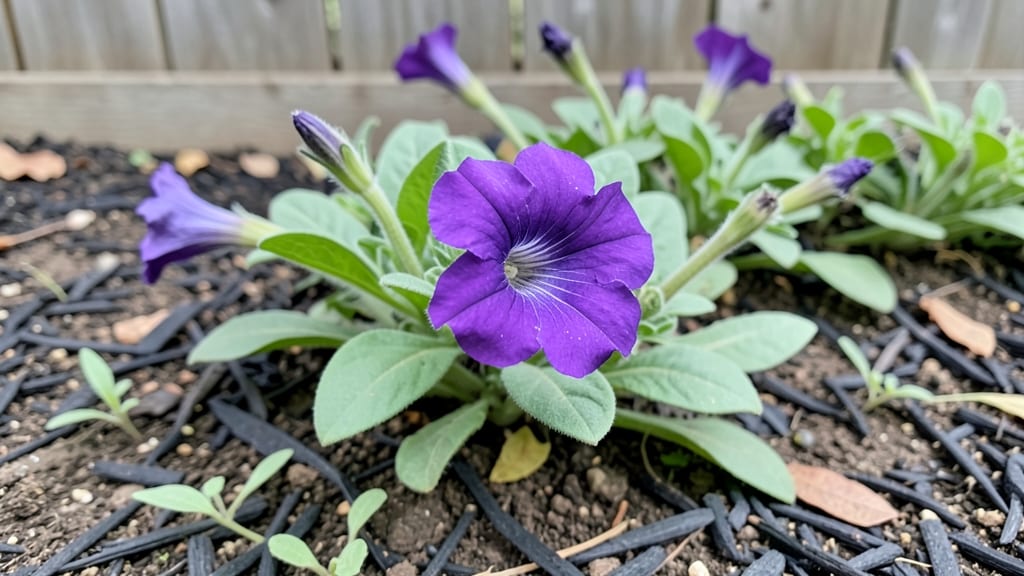
Petunia flower buds need the right pruning to burst into vibrant blooms instead of fading before they open. 🌸 I’ve learned that most gardeners overlook this simple step—yet it’s the secret to petunias that keep flowering all season.
The key isn’t just cutting back; it’s timing, technique, and understanding when buds are ready to shine.
Start by deadheading spent blooms daily—this redirects energy to new buds instead of seed production. Use clean pruners to snip just above a leaf node, and avoid tearing stems. For leggy plants, trim back by one-third in early summer to encourage bushier growth and more buds.
The goal is to keep plants compact and focused on producing flowers, not just foliage.
You’ll see the difference within weeks: buds that swell and open into bold, long-lasting blooms instead of dropping off. Proper pruning also prevents disease by improving airflow, and it keeps plants from looking tired by midsummer.
The payoff is petunias that look like they’re straight from a nursery display—just with your name on the tag.
Works for both garden beds and containers, and adapts to heat or humidity. Here’s how to make every cut count for maximum blooms all season long.
📚 In This Guide
- What you need
- Instructions
- Tips and common mistakes
- Wrapping up and next steps
What you need
- ● Sharp bypass pruners – 1 pair (clean, sterilized, with sharp blades for precise cuts).
- ● Hand pruners or garden shears – 1 pair (for smaller buds or delicate stems).
- ● Disinfectant (rubbing alcohol or bleach solution) – 1 small bottle (70% isopropyl alcohol or 1 part bleach to 9 parts water).
- ○ Gloves (optional but recommended) – 1 pair (nitrile or leather to protect hands from thorns or sap).
- ● Pruning saw (for woody stems) – 1 (only if dealing with overgrown, thick petunia stems).
- ● Healthy petunia plants – Established, non-diseased (prune only after confirming no pests or fungal issues).
- ● Morning sunlight or overcast day – Best time to prune (avoid midday heat to reduce stress on plants).
- ● Watering can or hose – 1 (to hydrate plants before/after pruning).
- ○ Compost or mulch (optional) – Small bag (to replenish soil nutrients post-pruning).
Step-by-Step pruning guide for petunia flower buds
Here's how to keep your petunias blooming like crazy all season—no fancy tools needed.
🌿 Step 1: Identify Healthy Stems and Buds
Start by inspecting your petunias in the morning when buds are fully open. Look for stems with 3-4 sets of leaves—these are strong enough to support new blooms. Skip any stems with yellowing leaves or brown spots, as these won’t recover. I always prune just above a leaf node (the bump where leaves attach), which encourages new growth right there.
Pinch off any spent blooms (those with wilted petals) with your fingers—no need for shears. This might feel counterintuitive, but removing old flowers redirects the plant’s energy to fresh buds. Watch for buds that look plump and green—these are your future blooms. Avoid cutting stems that are still green but have no buds, as they’re just foliage.
✂️ Step 2: Prune at the Right Time and Angle
Prune in the early morning when stems are firm and moisture loss is minimal. Use clean, sharp bypass pruners (or even scissors in a pinch) to make a 45-degree cut just above a leaf node. This angle prevents water from pooling on the stem, which can cause rot. I like to sterilize my tools with rubbing alcohol between plants to avoid spreading disease.
Cut back leggy stems (those stretching too tall) to half their length if they’ve outgrown their pot. This forces the plant to bush out instead of growing upward. You’ll see new side shoots emerge within 7-10 days—that’s your reward for pruning! Avoid cutting into woody stems, as petunias won’t regrow from those.
☀️ Step 3: Encourage New Growth with Light and Water
After pruning, move your petunias to a bright spot with indirect light for a day to reduce stress. Too much direct sun right after cutting can scorch new growth. Water deeply at the base (not overhead) to keep soil evenly moist but not soggy. I use a spray bottle for the first watering to avoid disturbing fresh cuts.
Within 3-5 days, you’ll notice tiny new buds forming at the leaf nodes where you pruned. This is your plant’s way of saying “thank you” for the trim! If buds start dropping off, it’s usually a sign of overwatering or low light. Adjust your care, and you’ll see fresh blooms in 2-3 weeks. Fertilize lightly with a balanced 10-10-10 formula after new growth appears to support vibrant flowers.
⏰ Step 4: Maintain a Regular Pruning Schedule
Prune every 2-3 weeks during the growing season to keep petunias blooming nonstop. I set a reminder on my phone—consistency is key! Always prune just above a leaf node, never at a joint where old growth meets new. This ensures the plant knows exactly where to grow next. Deadhead spent blooms daily if possible, as petunias reward prompt attention with more flowers.
By late summer, petunias start slowing down. That’s when I give them a final light pruning—cutting back all stems to 3-4 inches tall. This rejuvenates the plant for a late-season burst of color. Mulch with 1-2 inches of organic matter (like shredded leaves) to protect roots over winter if you’re in a mild climate. Most petunias are annuals, but with this care, you’ll get blooms until frost!
Tips & tricks for perfect petunia pruning
Here's what nobody tells you about keeping petunias blooming like crazy all season—these tricks make all the difference.
Timing Secret: That early morning pruning in Step 2 isn't just about convenience—it's about giving your plants the best chance to recover. The cooler temperatures reduce moisture loss, and the firm stems make cleaner cuts. I've learned the hard way that afternoon pruning leads to wilted stems by evening. If you must prune later, do it in the late afternoon and water thoroughly right after.
Visual Cue for Healthy Stems: In Step 1, when you're looking for those 3-4 sets of leaves, focus on the color between the veins—it should be a vibrant green, not yellowing. The leaf nodes (where leaves attach) are your target spots for pruning. I always run my thumb along the stem to feel for these bumps before making my cut. This ensures new growth will sprout right where you want it.
Pruning Angle Matters: The 45-degree cut in Step 2 isn't just for looks—it's a water management technique. This angle prevents water from pooling on the cut surface, which could lead to rot. Think of it like creating a little roof to keep rainwater flowing away from the fresh cut. And if you're using scissors instead of pruners, make sure to sharpen them first—dull blades crush stems instead of making clean cuts.
Post-Pruning Care: After that final light pruning in Step 4, don't be surprised if your petunias look like they've been trimmed for a haircut! The key is to move them to bright indirect light immediately and keep the soil consistently moist. I've seen plants that looked completely defoliated bounce back with new growth within 10 days when given proper aftercare. This late-season trim often gives you that beautiful burst of color right before frost.
Pro Tips for Petunia Flower Bud
- Here's what nobody tells you about keeping petunias blooming like crazy all season—these tricks make all the difference.
- Timing Secret: That early morning pruning in Step 2 isn't just about convenience—it's about giving your plants the best chance to recover.
- Visual Cue for Healthy Stems: In Step 1, when you're looking for those 3-4 sets of leaves, focus on the color between the veins—it should be a vibrant green, not yellowing.
Frequently asked questions
Got questions about petunia flower buds? You’re not alone! Here are some of the most common queries gardeners have—plus quick, actionable answers to keep your petunias thriving.
How do I know when petunia flower buds are ready to prune?
Prune petunia buds when they’re just starting to open—about the size of a dime. Overly mature buds may drop after pruning, wasting energy. Use sharp shears to snip above a leaf node (where new growth emerges) to encourage bushier, fuller plants. Avoid cutting into woody stems, as this can stress the plant.
How often should I prune petunia flower buds for continuous blooms?
For nonstop blooms, prune every 2–3 weeks during peak growing seasons (spring to fall). Deadhead spent blooms immediately to redirect energy to new buds. In cooler months, reduce pruning to once a month unless buds are visibly overcrowding. Pro tip: Morning pruning minimizes stress from heat or pests!
What’s the best alternative if my petunia buds keep dropping before opening?
Bud drop often signals stress—check for these fixes:
- Watering: Keep soil consistently moist (not soggy). Petunias hate drought or overwatering.
- Light: Ensure 6+ hours of sunlight daily. Shady spots cause weak buds.
- Fertilizer: Use a balanced, water-soluble fertilizer (like 10-10-10) every 2 weeks.
- Pests: Inspect for aphids or spider mites (spray with neem oil if needed).
Can I prune petunia buds in cold weather, or should I wait for spring?
Petunias are tender perennials—they won’t survive frost. In fall, prune only dead or diseased growth before the first freeze. For winter care:
- Move potted petunias indoors (near a sunny window).
- For garden petunias, mulch heavily and cover with burlap if temps drop below 30°F.
- Resume pruning in early spring (when soil warms to 60°F+).
Will pruning petunia buds make my plant bushier, or should I pinch back stems?
Both methods work! Pruning buds focuses energy on flowering, while pinching back stems (cutting just above a leaf node) encourages bushier growth. For a balance:
- Pinch back young stems (6–8 inches tall) to promote branching.
- Prune buds throughout the season to sustain blooms.
Wrapping up and next steps
Pruning petunia flower buds is your secret weapon for a garden bursting with nonstop color!
By mastering a few simple techniques—like deadheading, strategic trimming, and seasonal adjustments—you’ll encourage lush, healthy growth and prolonged blooms all season long. 🌸 With the right tools and timing, even beginners can transform their petunias into a vibrant showstopper.
Ready to take your garden to the next level? Grab your shears and start pruning! Keep experimenting with these tricks, and soon you’ll have a petunia patch that’s the envy of the neighborhood. 🌿 Share your progress with us—we’d love to see your blooms!