
Shrubs
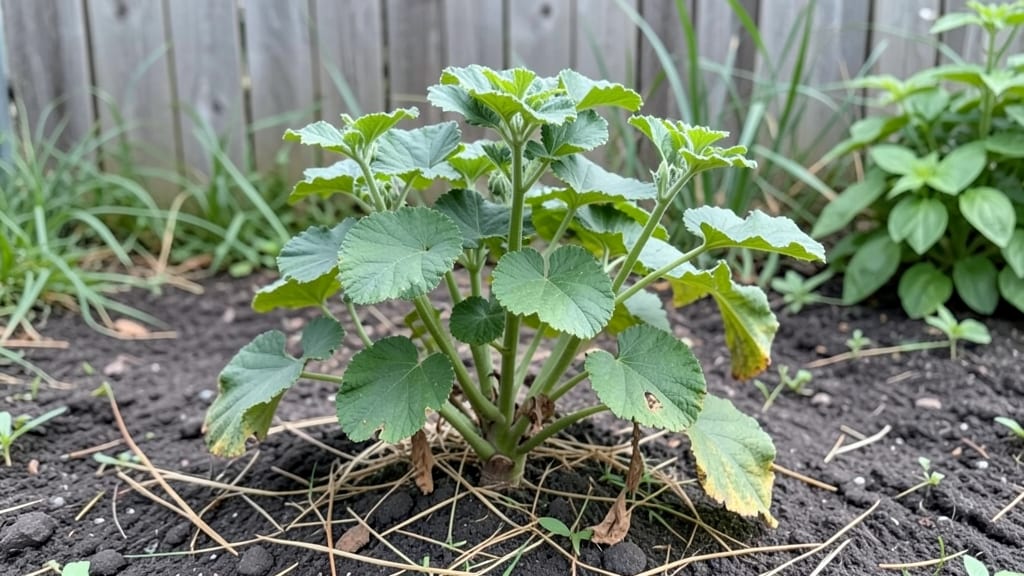
Geraniums not flowering usually boils down to two things: not enough sunlight or too much pruning at the wrong time. 🌿 I’ve had my share of leafy green monsters where the blooms vanished, and I’ll show you exactly how to fix it—no guesswork involved.
The problem often starts with light—geraniums need at least 6 hours of direct sun daily, and if they’re tucked in shade, they’ll focus on leaves instead of flowers.
Over-fertilizing with high-nitrogen food is another culprit, sending energy to foliage growth rather than blooms. Even pruning too late in the season can cut off next year’s flower buds.
By adjusting sunlight, trimming back leggy growth in early spring, and using the right fertilizer, you’ll see buds forming within 4-6 weeks. The key is consistency—geraniums reward patience with clusters of vibrant blooms that last all summer if you give them what they truly need.
Works for both patio pots and in-ground plants, and the fixes apply whether you’re dealing with zonal geraniums or fancy Pelargoniums. Let’s get those blooms back in full force!
Root Causes Behind Stalled Blooms
Geraniums are prized for their vibrant blooms, but when they refuse to flower, it’s often a sign that their basic needs aren’t being met. Understanding the why behind the lack of flowers is the first step to reviving your plants.
Let’s break down the most common culprits—each with a clear scientific explanation and actionable insights to get those buds popping.
🌞 The #1 trigger for non-flowering geraniums
Geraniums (Pelargonium spp.) are light-loving plants that require 6–8 hours of direct sunlight daily to trigger flowering. When deprived of adequate light, they prioritize leaf growth over reproductive energy.
Here’s the science: - Photosynthesis slowdown: Low light reduces chlorophyll production, weakening the plant’s ability to store energy (as carbohydrates) in its roots and stems. - Phytochrome disruption: These light-sensitive pigments regulate flowering.
In dim conditions, they signal the plant to stay in a vegetative (leaf-focused) state. - Stretching (etiolation): Leggy, pale stems are a red flag—your geranium is reaching for light but failing to allocate resources to flowers.
Actionable fix:
- Move potted geraniums to a south- or west-facing window or use a grow light (12–16 hours/day) if indoors.
- Prune leggy stems back by ⅓ to encourage bushier, more compact growth that can better capture light.
💥 Too much of a "good thing" can backfire
Fertilizers high in nitrogen (N)—the first number on the label (e.g., 10-10-10)—promote leafy growth at the expense of flowers.
Here’s why: - Resource competition: Nitrogen fuels rapid foliage expansion, diverting energy away from flower buds. - Delayed maturity: Geraniums need a balance of phosphorus (P) and potassium (K) to initiate blooming.
Excess N keeps them "young" and vegetative. - Root burn risk: Over-fertilizing can damage roots, further stressing the plant.
Actionable fix:
- Switch to a balanced or phosphorus-rich fertilizer (e.g., 5-10-5 or 10-20-10).
- Reduce frequency: Feed every 4–6 weeks during spring/summer (skip winter).
- Flush the soil: Water thoroughly after fertilizing to prevent salt buildup.
✂️ Neglecting maintenance stifles new blooms
Geraniums flower on new growth, but without pruning, they become overcrowded and energy-drained.
The science: - Hormonal signals: Deadheading (removing spent blooms) triggers the plant to produce auxin, a hormone that stimulates new flower buds. - Airflow blockage: Dense foliage traps moisture, promoting fungal diseases (like powdery mildew) that weaken the plant. - Energy redistribution: Pruning encourages basal branching, creating more sites for flower production.
Actionable fix:
- Deadhead regularly: Snip off faded blooms just above a set of leaves (use clean shears).
- Prune in early spring: Cut back ⅓ of the plant’s height to promote bushiness.
- Pinch young plants: Squeeze off the tips of new growth to encourage wider, flower-rich stems.
📊 Micronutrient deficiencies silence the bloom signal
Even with fertilizer, geraniums may lack key micronutrients critical for flowering:
- Magnesium (Mg): Deficiency (yellowing between leaf veins) hampers chlorophyll synthesis, reducing energy for blooms.
- Calcium (Ca): Essential for cell wall formation in flower buds; deficiency causes distorted growth.
- Boron (B): A trace element that regulates pollination and fruit/flower development.
Actionable fix:
- Use a chelated micronutrient spray or Epsom salt (magnesium sulfate) every 6–8 weeks.
- Test soil pH: Geraniums thrive in 6.0–7.0; adjust with lime (raise pH) or sulfur (lower pH).
💧 Too much love can drown the blooms
Geraniums are drought-tolerant and hate soggy roots.
Overwatering leads to: - Root rot: Fungal pathogens (Phytophthora) thrive in waterlogged soil, starving the plant of oxygen and nutrients. - Nutrient leaching: Excess water washes away phosphorus and potassium, critical for flowering. - Stunted growth: Water-stressed plants divert energy to survival, not reproduction.
Actionable fix:
- Water deeply but infrequently: Let the top 1–2 inches of soil dry out between waterings.
- Improve drainage: Add perlite or sand to potting mix; ensure pots have drainage holes.
- Avoid wet foliage: Water at the base to prevent fungal diseases.
🌱 Some geraniums are pickier than others
Not all geraniums bloom equally, and age plays a role:
- Zonal geraniums (Pelargonium zonale): Typically flower heavily in their first year but may slow down in years 2–3.
- Ivy geraniums (Pelargonium peltatum): Often flower less prolifically and focus more on trailing growth.
- Heritage or rare varieties: Some, like scented geraniums, prioritize aroma over blooms.
Actionable fix:
- Replace older plants: If a geranium is 3+ years old, consider propagating cuttings or starting fresh.
- Choose high-bloom varieties: Opt for ‘Mavis Simmonds’ or ‘Scarlet Elite’ for prolific flowering.
❄️🔥 Geraniums need the right climate cues
Geraniums are warm-season plants and may skip flowering if:
- Night temperatures drop below 50°F (10°C): Cools down metabolic processes, delaying blooming.
- Sudden temperature swings: Stress from heatwaves or cold snaps can shock the plant into dormancy.
- Indoor geraniums: Lack of seasonal light changes (shorter days in fall/winter) can disrupt flowering cycles.
Actionable fix:
- Move outdoors in spring (after last frost) for sun and temperature acclimation.
- Use a heat mat (for indoor pots) to maintain 60–70°F (15–21°C) roots.
- Simulate seasons: Reduce water/fertilizer in fall/winter to mimic dormancy.
How to solve it
If your geraniums are throwing a no-show on the blooms, don’t panic—these plants are tougher than they look! The key to reviving their flowering spirit lies in addressing the root causes (literally and figuratively).
Below, we’ve mapped out actionable fixes tailored to the most common culprits, plus pro tips to keep your geraniums blooming like clockwork. Think of this as your geranium emergency repair kit—easy steps, big results!
Geraniums are sun-worshippers, and not enough light is like serving coffee to a night owl—it just won’t work. If your plants are languishing in shade or partial sun, here’s how to give them the light they crave:
- 🔥 Move them to sunnier spots. Aim for 6–8 hours of direct sunlight daily. South- or west-facing windows, patios, or garden beds are ideal. If you’re container-growers, rotate pots weekly so all sides get even light.
- 🍳 Supplement with grow lights (indoors). If natural light is scarce, a full-spectrum LED grow light for 12–14 hours a day can trick geraniums into blooming. Place it 6–12 inches above the plants.
- 🌡️ Watch for heat stress. In scorching climates, provide afternoon shade (like a sheer curtain or lattice) to prevent leaf burn while still ensuring morning sun.
💡 Prevention tip: Plant geraniums in locations where they’ll get consistent sun from the get-go. If you’re moving them, do it gradually over 1–2 weeks to avoid shocking the plants.
Overgrown geraniums get lazy—they focus on leafy growth instead of flowers. Pruning isn’t just about tidying up; it’s a bloom booster. Follow these steps to encourage flowering:
- 🔪 Trim back leggy stems. Use clean, sharp shears to cut stems back by ⅓ to ½ their length, just above a leaf node (where leaves or buds grow). This redirects energy to new growth and flowers.
- 👨🍳 Deadhead regularly. Snip off spent blooms daily or weekly (or at least every few days). This prevents seed formation and signals the plant to produce more flowers.
- ⏰ Time it right. Prune in early spring (before new growth starts) or right after flowering to prep for the next bloom cycle.
💡 Prevention tip: Make pruning a habit—set a reminder to deadhead every Sunday morning. A little effort = a lot of blooms!
Geraniums hate wet feet but also drought stress. Getting the water balance right is critical for blooms. Here’s how to nail it:
- 🌧️ Water deeply but infrequently. Let the top 1–2 inches of soil dry out between waterings. Stick your finger in the soil—if it’s dry, it’s time to water. Overwatering = root rot = no flowers.
- 🚰 Improve drainage. If your geraniums are in pots, ensure they have drainage holes. Add a layer of gravel or perlite to the bottom of the pot to prevent soggy soil. For in-ground plants, amend heavy soil with compost or sand.
- 🌡️ Mulch to retain moisture. Apply a 1–2 inch layer of mulch (like straw or wood chips) around the base of the plant to keep roots cool and soil moist without waterlogging.
💡 Prevention tip: Group geraniums with plants that have similar water needs to make care easier. And always water in the morning so foliage dries quickly, reducing disease risk.
Geraniums are light feeders, but they still need the right nutrients to bloom. Over-fertilizing (especially with nitrogen) leads to lush leaves and zero flowers. Here’s the bloom-approved feeding plan:
- 📊 Use a balanced, bloom-boosting fertilizer. Switch to a low-nitrogen, high-phosphorus fertilizer (like a 5-10-5 or 10-20-10 ratio). Phosphorus is the flower powerhouse!
- 🥗 Feed lightly and often. Apply fertilizer every 4–6 weeks during the growing season (spring to fall). Dilute to half-strength to avoid burning roots.
- 🍎 Skip winter feeding. Geraniums rest in winter—no fertilizer needed until early spring when new growth appears.
💡 Prevention tip: Make your own compost tea for a gentle, organic boost. Steep compost in water for 24–48 hours, strain, and use as a weekly foliar spray during the growing season.
Geraniums throw a temper tantrum when stressed by extreme heat, cold, or sudden changes. Here’s how to keep them happy:
- 🔥 Protect from heatwaves. If temps hit 90°F+ (32°C+), provide afternoon shade or move potted geraniums to a cooler spot. Mist leaves lightly in the morning to help them cool down.
- ❄️ Shield from frost. Geraniums are tender perennials—they’ll die back in frost. If you’re in a cold climate, dig up potted geraniums and store them indoors (or mulch heavily) until spring.
- 🌡️ Avoid sudden changes. If moving geraniums indoors for winter, acclimate them gradually over 1–2 weeks to prevent shock.
💡 Prevention tip: Choose heat-tolerant varieties like Pelargonium x hortorum (zonals) or Pelargonium peltatum (ivy geraniums) if you live in a hot, humid climate.
If your geraniums have been in the same pot or soil for years, their roots may be root-bound or nutrient-depleted. Giving them a fresh start can jumpstart blooming:
Frequently asked questions
Why are my geraniums growing leaves but no flowers?
Too much nitrogen fertilizer or insufficient sunlight are the top culprits. Geraniums need 6-8 hours of direct sun daily and a balanced fertilizer with more phosphorus than nitrogen (like 5-10-5) to encourage blooms instead of leafy growth. Check your light exposure first—shady spots force plants to focus on leaves rather than flowers.
Can I prune geraniums to get more flowers?
Prune in early spring by cutting back ⅓ of the plant's height just above leaf nodes. This removes leggy growth and redirects energy to new flowering stems. Deadhead spent blooms regularly too—this prevents seed formation and signals the plant to produce more flowers. The key is timing: prune after the last frost but before new growth starts.
What's the best fertilizer for flowering geraniums?
Use a low-nitrogen, high-phosphorus fertilizer (like 10-20-10) every 4-6 weeks during spring and summer. Avoid high-nitrogen products (like lawn fertilizers) which promote leaf growth at the expense of blooms. For organic options, try bone meal or compost tea—both provide phosphorus naturally. Always water thoroughly after fertilizing to prevent root burn.
How do I fix overwatered geraniums that won't bloom?
Stop watering immediately and let the soil dry completely between waterings. Improve drainage by adding perlite or sand to potting mix, and ensure containers have drainage holes. Geraniums prefer dry soil—wait until the top 1-2 inches feel dry before watering again. Root rot from overwatering stresses plants and prevents flowering. Move to a sunnier spot too—light stress often accompanies waterlogging.
Will my geraniums bloom indoors?
Indoor geraniums can bloom, but they need bright light (south or west window) and 12-14 hours of supplemental grow light if natural light is insufficient. Keep temperatures between 60-75°F and reduce watering in winter when growth slows. Choose compact varieties like 'Mavis Simmonds'—they're better suited for indoor conditions than trailing types. Rotate pots weekly so all sides get even light exposure.