Shrubs
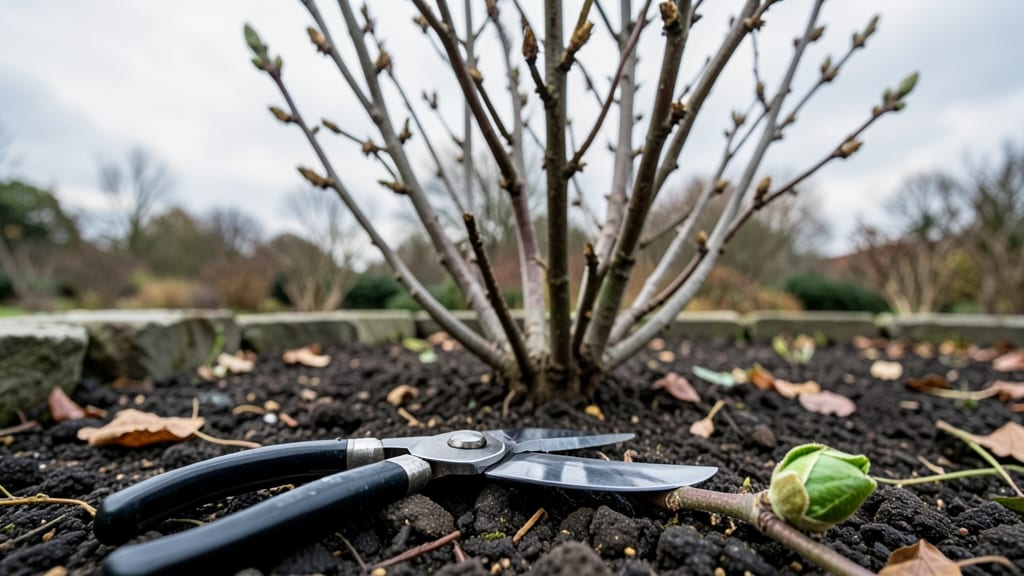
Your viburnum not flowering could be fixed with just a few adjustments—pruning at the right time and feeding it properly makes all the difference. I’ve nursed back several struggling viburnums, and the key is understanding when to cut and what nutrients they’re missing. Most gardeners overlook timing, but it’s everything.
First, check if your viburnum gets at least 6 hours of sunlight daily—shady spots kill blooms. Then, prune right after flowering, never in late winter, and avoid heavy cuts that stress the plant. Feed with a balanced fertilizer in early spring, but skip high-nitrogen mixes—they push leaves, not flowers.
My Arrowwood viburnum went from bare branches to a sea of white blooms in two seasons after these tweaks.
You’ll see buds forming within 4-6 weeks of proper care, and the fragrance alone makes the effort worth it. Even older plants respond when given the right conditions—think velvety leaves and clusters of blooms that attract bees by summer. The secret is patience and precision, not brute force.
Works for Korean spice, cranberrybush, and snowball viburnums alike. If nothing changes after a year, the plant might need relocation to sunnier ground. Let’s get those blooms back!
Root Causes Behind Missing Blooms
Viburnums are prized for their stunning clusters of flowers, but when they fail to bloom, it’s often due to underlying issues rooted in their care—or lack thereof. Understanding these triggers is the first step to restoring your shrub’s floral glory.
Let’s break down the most common reasons why your viburnum might be playing hard-to-get with its blossoms.
Viburnums are light-loving shrubs, and most varieties—especially those like Viburnum bodnantense (Winter Snow) or Viburnum plicatum (Japanese Snowball)—require 6 to 8 hours of direct sunlight daily to trigger proper flowering. When deprived of adequate light, the plant diverts energy toward leaf growth instead of flower buds.
Why it happens:
- Photosynthesis slowdown: Low light reduces chlorophyll production, limiting the plant’s ability to store carbohydrates (like starches) in its roots—a critical energy reserve for spring blooms.
- Dormancy confusion: Some viburnums (e.g., Viburnum opulus) need a period of short-day photoperiod (long nights) to set flower buds. Too much artificial light (like streetlights or indoor lamps) can disrupt this natural signal.
- Shade competition: Overhead trees or dense foliage block sunlight, creating a "shade stress" response that prioritizes survival over reproduction.
Actionable fix: Audit your viburnum’s location. If it’s nestled under tall trees or in a north-facing spot, consider transplanting it to a sunnier area or thinning nearby competitors. For container-grown viburnums, rotate pots seasonally to ensure even light exposure.
Many viburnums—particularly spring-blooming types—require a specific number of chill hours (typically 500–1,000 hours below 45°F/7°C) to break dormancy and initiate flowering. Without this "cold shock," the plant stays in a vegetative state, skipping the bloom phase entirely.
Why it happens:
- Mild winters: In regions with erratic or warm winters (e.g., Zone 7–9), viburnums may not accumulate enough chill hours, leaving them "confused" about when to flower.
- Urban heat islands: Pavement and buildings trap heat, raising local temperatures and reducing effective chill exposure.
- Late frosts: Early spring warmth followed by a hard freeze can damage emerging flower buds before they open.
Actionable fix:
- Choose chill-resistant varieties like Viburnum x burkwoodii (Burkwood Viburnum) or Viburnum trilobum (American Cranberrybush) if you live in warmer climates.
- Apply a 3–4 inch layer of mulch (straw or wood chips) around the base to insulate roots and simulate cooler soil temps.
- For container viburnums, move them to a sheltered spot (like against a north-facing wall) during winter to maximize chill exposure.
Flowering is an energy-intensive process, and viburnums demand a balanced diet to produce abundant blooms. Nutritional deficiencies—especially of phosphorus and potassium—can stunt flower bud formation, while soil pH extremes can lock out essential nutrients.
Why it happens:
| Nutrient Deficiency | Symptoms | Impact on Flowers |
|---|---|---|
| Phosphorus (P) | Purple-tinged leaves, stunted growth | Reduces root and flower bud development |
| Potassium (K) | Yellowing leaf edges, weak stems | Weakens cell division in flower meristems (buds) |
| Nitrogen (N) excess | Lush green leaves, but no flowers | Overstimulates foliage growth at the expense of blooms |
| pH > 7.0 (alkaline soil) | Yellowing between leaf veins (chlorosis) | Reduces iron and manganese uptake, critical for flower metabolism |
Actionable fix:
- Test your soil’s pH and amend with sulfur (to lower pH) or lime (to raise pH) as needed (ideal range: 5.5–6.5).
- Fertilize in early spring with a balanced 10-10-10 or 5-10-10 formula, emphasizing phosphorus. Avoid high-nitrogen fertilizers post-bloom.
- Add compost or well-rotted manure to improve soil microbial activity, which enhances nutrient availability.
Viburnums flower on old wood (last year’s growth) or a mix of old and new wood, depending on the species. Aggressive pruning—especially at the wrong time—can remove next year’s flower buds before they form.
Why it happens:
- Late-winter pruning: Trimming in February or March (after dormancy but before buds swell) can cut off flower buds that haven’t yet emerged.
- Shearing instead of selective pruning: Using hedge shears creates a "haircut" effect, removing up to ⅓ of the plant’s energy-storing branches.
- Removing too many branches: Viburnums need a strong scaffold structure (main branches) to support flower clusters. Over-thinning weakens the plant’s ability to bloom.
Actionable fix:
- Prune immediately after flowering (late spring/early summer) to avoid cutting off next year’s buds.
- Use sharp bypass pruners to make clean cuts just above a bud or lateral branch (never leave stubs).
- Remove only dead, crossing, or overly dense branches—never more than 20–25% of the plant’s volume in one season.
Viburnums are drought-tolerant once established, but consistent moisture fluctuations—whether from underwatering or soggy soil—can disrupt flower bud formation. Too little water stresses the plant, while too much suffocates roots and promotes fungal diseases that weaken the shrub.
Why it happens:
- Drought stress: Dry soil triggers abscisic acid production, a hormone that signals the plant to conserve water by halting non-essential functions—like flowering.
- Overwatering: Poor drainage or compacted soil leads to root asphyxiation, reducing nutrient uptake and starving flower buds of energy.
- Inconsistent watering: Alternating between drought and flood conditions confuses the plant’s hormonal balance, delaying bloom initiation.
<
Revive Your Shrub's Blooms Now
If your viburnum is playing hard to bloom, don’t panic—there’s a solution for every cause! Below, we’ve mapped out practical fixes tailored to the root of the problem, plus prevention tips to keep your shrub thriving for years. Let’s get those flowers back in action!
Fix: Viburnums crave 6 to 8 hours of sunlight daily, especially spring varieties. If yours is tucked in shade, it’s time to relocate or prune nearby obstructions.
How to do it: 🔥 Move the plant (if possible) to a sunnier spot—even partial sun helps. 🍳 Prune overgrown branches blocking light (use clean, sharp shears). 👨🍳 Thin dense foliage to improve airflow and light penetration.
Prevention tip: 💡 Plant viburnums where they’ll get morning sun + afternoon shade (ideal for many species). Avoid deep shade—it’s a bloom-killer!
Fix: soggy roots or compacted soil starve viburnums of oxygen and nutrients, halting flowers. Well-draining, slightly acidic soil (pH 5.0–6.5) is key.
How to do it: 🔥 Test your soil—dig a 6-inch hole; if water pools, drainage is the issue. 🍳 Amend the soil with compost or organic matter (like peat moss) to loosen texture. ⏰ Water deeply but less often—let the top 2 inches dry out between waterings.
Pro tip: 🌡️ Mulch properly—use 2–3 inches of organic mulch (like bark chips) to retain moisture without suffocating roots.
Fix: Viburnums need balanced fertilization—especially nitrogen (for foliage) and phosphorus (for blooms). Lack of nutrients = no flowers.
How to do it: 🔥 Spring feeding: Apply a 10-10-10 or 5-10-10 fertilizer (phosphorus-heavy) in early spring as new growth starts. 🍳 Slow-release option: Use organic granules (like bone meal) for a steady phosphorus boost. 👨🍳 Foliar spray: Mix liquid seaweed or fish emulsion for a quick nutrient kick (great for stressed plants).
Prevention tip: ✨ Test soil annually—if phosphorus is low, adjust fertilizer ratios (aim for P higher than N for flowering shrubs).
Fix: Over-pruning or cutting at the wrong time removes next year’s flower buds. Viburnums bloom on old wood (last year’s growth), so timing matters!
How to do it: 🔥 **Prune after flowering (late spring/early summer) to avoid cutting off new buds. 🍳 Shape lightly—remove dead, crossing, or inward-growing branches only. 👨🍳 Avoid heavy cuts—never trim more than 1/3 of the plant in one season.
Pro tip: 🎯 Label your viburnum type**—some (like Viburnum bodnantense) bloom on new wood and need late winter pruning instead!
Fix: Aphids, scale, or fungal issues (like powdery mildew) drain energy from your shrub, leaving it too weak to flower.
How to do it: 🔥 Inspect leaves for sticky residue (aphids), white powder (mildew), or bumps (scale). 🍳 Spray with neem oil (for pests) or baking soda mix (1 tsp baking soda + 1 quart water for mildew). 👨🍳 Remove infected branches immediately to prevent spread.
Prevention tip: 💡 Encourage beneficial insects (like ladybugs) by planting marigolds or lavender nearby.
Fix: Older viburnums (10+ years) may slow down, or transplant shock can halt blooms. A little TLC can revive them!
How to do it: 🔥 Rejuvenation pruning: Cut back 1/3 of the oldest stems to the ground in early spring. 🍳 Transplant carefully—if recently moved, water deeply and avoid fertilizing for 4–6 weeks. 👨🍳 Give it time—stressed plants may take 1–2 seasons to rebound.
Pro tip: 🌱 Divide large clumps every 5–7 years to prevent overcrowding and improve airflow.
Before you give up, run through this quick bloom-boost checklist: ✅ Sunlight? At least 6 hours daily. ✅ Soil? Well-draining, slightly acidic (pH 5.0–6.5). ✅ Water? Deep but infrequent—no soggy roots! ✅ Fertilizer? Phosphorus-rich in spring. ✅ Pruning? Done after flowering, not before. ✅ Pests? Neem oil or insecticidal soap on hand.
With these fixes, your viburnum should be back to blooming beautifully in no time! 🌸💐
Frequently asked questions
Why is my viburnum not flowering after years of blooms?
Sudden loss of flowers often signals a shift in care. Check for nutrient deficiencies (especially phosphorus) or pruning mistakes—cutting at the wrong time removes next year’s buds. Older plants may also need rejuvenation pruning to stimulate new growth. Start with a soil test and adjust fertilization.
Can I force my viburnum to bloom earlier than usual?
No, forcing blooms isn’t recommended—viburnums follow natural cycles tied to chill hours and daylight. However, you can extend the season by choosing late-blooming varieties like Viburnum bodnantense (Winter Snow) or providing artificial shade in hot climates to reduce stress. Patience is key!
How do I know if my viburnum needs more sunlight?
Look for long, leggy stems or small, sparse leaves—both signs of light deprivation. Test sunlight exposure by placing a whiteboard or ruler in the spot for a day. If it gets less than 6 hours of direct sun, relocate or prune nearby obstructions. Morning sun is ideal for most varieties.
Is it too late to fix my viburnum’s flowering issues this year?
Not at all! Focus on soil health (add compost), proper watering (deep but infrequent), and avoiding pruning until next year. By next spring, your viburnum should rebound with new flower buds forming. For immediate results, use a phosphorus-rich fertilizer in early spring.
Can I prune my viburnum to encourage more flowers?
Pruning after flowering (late spring/early summer) is best—it removes spent blooms and shapes the plant without cutting off next year’s buds. Avoid heavy cuts; instead, thin out crowded branches to improve airflow. For new wood bloomers (like Viburnum bodnantense), prune in late winter. Never prune in fall!