Shrubs
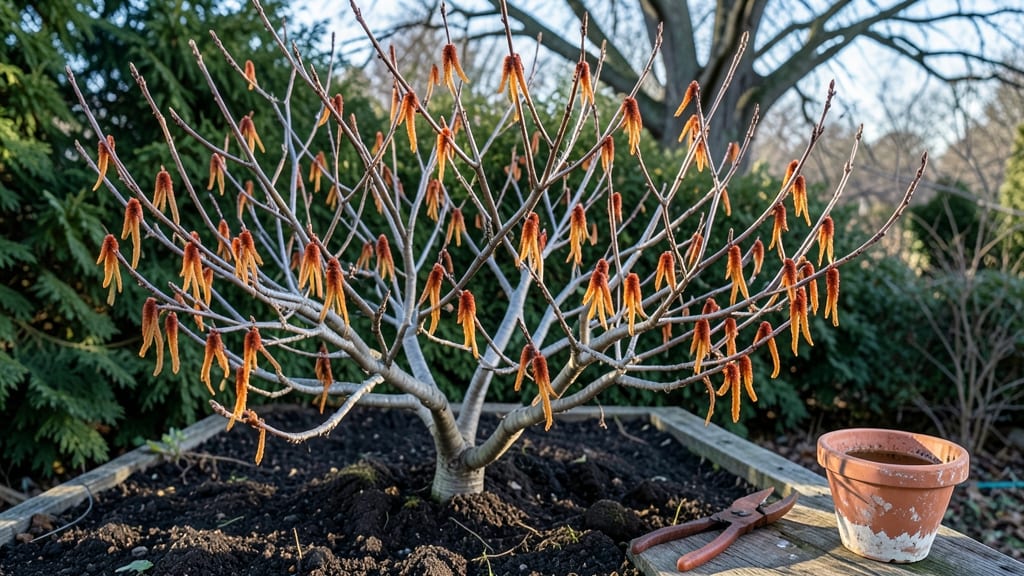
Early flowering shrubs like forsythia and witch hazel burst into color before most gardens even wake up. ✨ I planted my first forsythia five years ago, and it’s become the star of my spring garden—bright yellow blooms that signal the end of winter’s grip and draw bees before tulips even think about popping up.
The secret to their early show isn’t complicated: plant them in full sun to partial shade, prep the soil with compost in fall, and avoid heavy pruning until after they bloom.
Most thrive in zones 4-8, though witch hazel handles colder climates better. My mahonia, for instance, blooms in late winter and handles my zone 6 winters like a champ.
You’ll get weeks of vibrant color before other shrubs even bud, plus pollinators will swarm your yard earlier in the season. The trade-off? Some varieties need winter protection in harsh climates, and pruning timing matters—cut too early, and you lose next year’s flowers.
But the payoff? A garden that feels alive when everything else is still dormant.
Works for borders, foundation plantings, or even container gardens if you choose dwarf varieties. Let’s get those early bloomers thriving—your spring garden will thank you.
📚 In This Guide
- What you need
- Instructions
- Tips and common mistakes
- Wrapping up and next steps
What you need
- ● Early flowering shrubs: Choose 3–5 varieties (e.g., Forsythia, Viburnum, Mahonia, or Weigela). Purchase 3–5 mature plants (3–5 gallons each) or 10–20 bare-root seedlings for cost-effective planting.
- ● High-quality potting soil or native soil mix: 10–20 cubic feet (depending on planting scale). Opt for a blend with 50% compost for nutrient-rich growth.
- ● Organic mulch: 2–3 cubic feet (e.g., shredded bark or wood chips) to retain moisture and suppress weeds.
- ● Slow-release fertilizer: 1–2 lbs (e.g., 10-10-10 or organic options like fish emulsion).
- ○ Pollinator-friendly companion plants (optional): 5–10 small perennials (e.g., Heuchera, Lavender, or Salvia) to attract bees and butterflies.
- ● Garden trowel or hand shovel: For digging small holes (6–8 inches deep).
- ● Garden spade: For larger planting areas or amending soil.
- ● Pruning shears: To trim dead branches and shape shrubs post-planting.
- ● Garden hose with spray nozzle: For gentle watering.
- ● Measuring tape or ruler: To ensure proper spacing (check plant tags for guidelines).
- ○ Gloves (optional but recommended): Heavy-duty work gloves to protect hands from thorns or rough bark.
- ● Sunlight assessment: Confirm your planting area gets full sun (6+ hours/day) or partial shade, depending on shrub preferences.
- ● Well-draining soil: Test soil drainage (a simple DIY test: Dig a 12-inch hole, fill with water, and check if it drains within 4 hours). Amend clay soil with sand or perlite if needed.
- ● Water source nearby: Ensure easy access for the first 2–3 weeks post-planting.
- ● Local climate knowledge: Check your USDA Hardiness Zone (e.g., Zones 3–9 for most early bloomers) and frost dates to time planting.
How to select and plant early flowering shrubs for pollinators
Here's my foolproof approach to bringing spring color and buzzing life to your yard.
🌱 Step 1: Choose the Right Shrubs for Your Climate
Start with shrubs that bloom early—think azaleas, forsythia, or serviceberry—and check your USDA hardiness zone. I always verify a plant's native range matches my area because non-native species often struggle with pests or diseases. For zones 5-7, viburnum and dwarf lilac are winners, while rhododendron thrives in zones 4-8.
Look for labeled plants at nurseries—the tags tell you bloom time, mature size, and sunlight needs. I skip bare-root plants for beginners; container-grown shrubs establish faster. If you're unsure, ask for "early-season bloomers" specifically—nursery staff love helping with this.
☀️ Step 2: Pick the Perfect Planting Spot
Most early bloomers need 4-6 hours of sunlight daily, but some like partial shade. Azaleas, for example, wilt in hot afternoon sun, while forsythia handles full sun beautifully. I always test a spot by observing how it feels in spring—if it's dry and sunny by noon, it's ideal for sun-lovers.
Check soil drainage by digging a 6-inch hole and filling it with water. If it drains in under an hour, you're good. If water pools after 2 hours, amend with compost to improve drainage. Early bloomers hate soggy roots, so avoid low spots where water collects after rain.
🪴 Step 3: Plant at the Right Depth and Spacing
Dig a hole twice as wide as the root ball but no deeper—planting too low suffocates roots. Loosen the roots gently if they're circling the pot, then place the shrub in the center so the top of the root ball sits 1 inch above soil level. Backfill with native soil, tamping lightly every 2 inches to remove air pockets.
Space shrubs 3-6 feet apart depending on mature size—check the tag for guidance. I always add a 2-inch layer of mulch around the base (but not touching the stem) to retain moisture and suppress weeds. Water deeply right after planting until soil is moist 6 inches down.
💧 Step 4: Water and Fertilize for Strong First Blooms
Water newly planted shrubs 2-3 times per week for the first month, giving 1 gallon per plant each time. You'll know they're getting enough when the soil feels damp 3 inches down. After that, water only when the top 1-2 inches of soil feel dry—overwatering is the #1 killer of young shrubs.
Skip fertilizer the first year—new plants need time to establish roots. In spring of the second year, apply a slow-release, balanced fertilizer (like 10-10-10) in early March. This gives bloomers the energy they need for their first full season of flowers without burning tender roots.
✂️ Step 5: Prune After Blooming to Encourage Next Year's Flowers
Wait until 2-4 weeks after flowering to prune—this ensures next year's buds form properly. Remove any dead, crossing, or weak branches first, then shape lightly by cutting just above a leaf bud. I never prune more than 1/3 of the plant in a single season, or you'll sacrifice next year's blooms.
Watch for pests like aphids or spider mites, which love tender new growth. A strong spray of water usually knocks them off, but for stubborn infestations, use neem oil. Healthy shrubs with good airflow rarely have issues, so proper spacing and sunlight make all the difference.
Tips & tricks for perfect early flowering shrubs
These simple strategies will help your early bloomers thrive and bring vibrant color to your garden sooner.
Climate-Smart Selection: When choosing shrubs in Step 1, don't just rely on hardiness zones—also consider your local microclimate. I've found that north-facing spots can be 5-10°F cooler than south-facing areas, so opt for slightly hardier varieties if planting in cooler microclimates. For example, plant rhododendrons on the north side of your property if you're in zone 8 to give them extra protection from afternoon heat.
Soil Prep Secret: In Step 2, before digging that 6-inch drainage test hole, amend your soil with a 2-inch layer of compost mixed into the top 6 inches of soil. This improves both drainage and nutrient availability. For heavy clay soils, add 1 part sand or perlite to 3 parts soil to create ideal conditions for early bloomers. The 2-hour drainage test will then give you more accurate results.
Planting Depth Hack: That 1-inch above soil level guideline in Step 3 is crucial, but here's a trick to get it right every time: Use a pencil or marker to mark the soil level on the pot before removing the plant. This visual reference makes it easy to position the shrub correctly in its hole. Also, if you're planting multiple shrubs, use a level to ensure they're all at the same height—uneven planting can lead to water pooling around some plants.
Watering Wisdom: In Step 4, those 2-3 weekly waterings are essential, but timing matters too. Water in the early morning to allow foliage to dry before evening, reducing disease risk. For the first month, I set a timer to remind me—new plant owners often forget this critical step. And remember, the 1 gallon per plant should be spread evenly around the root zone, not all in one spot.
Pro Tips for Early Flowering Shrubs
- These simple strategies will help your early bloomers thrive and bring vibrant color to your garden sooner.
- Climate-Smart Selection: When choosing shrubs in Step 1, don't just rely on hardiness zones—also consider your local ...
- Soil Prep Secret: In Step 2, before digging that 6-inch drainage test hole, amend your soil with a 2-inch layer of co...
Frequently asked questions
Got questions about early flowering shrubs?
You’re not alone! Here are answers to the most common queries—from timing to care tips—to help you create a pollinator-friendly paradise with ease.
When do early flowering shrubs actually bloom?
Most early bloomers like Hamamelis (witch hazel) or Mahonia start in late winter (February–March), while Pieris japonica (andromeda) and Viburnum bodnantense (laurustinus) often appear in January–February. Check your USDA zone—colder climates may see delays until March or April.
How long do their flowers last?
Early bloomers typically last 3–6 weeks, but some (like Cornus mas, dogwood) produce secondary blooms in spring. For extended color, pair them with late-winter varieties like Helleborus (hellebore) or Daphne.
Do they need full sun to flower well?
Not always! While Viburnum and Pieris thrive in partial shade (3–6 hours of sun)**, Hamamelis and Cornus tolerate morning sun + afternoon shade. Avoid dense shade—it can reduce blooms. Test your spot: If leaves stay dark green year-round, it’s likely too shady.
Are early bloomers prone to pests or diseases?
Yes, but most issues are preventable! Spider mites (dry conditions) and powdery mildew (humid shade) are common. Prevent tips:
- Space shrubs for airflow (3–5 ft apart).
- Water at the base (avoid wetting foliage).
- Prune in late spring to remove dead blooms/pests.
Can I plant them in containers?
Dwarf varieties like Pieris ‘Little Heath’ or Viburnum ‘Winterthur’ thrive in 15–20 gallon pots with well-draining soil. Use a slow-release fertilizer in early spring and move containers to bright, sheltered spots in winter to protect from frost.
Pro Tip:
For maximum pollinator appeal, pair early bloomers with late-winter bulbs like crocus or snowdrops. The layered blooms create a nonstop buffet for bees and butterflies as soon as the ground thaws!
Wrapping up and next steps
Early flowering shrubs are the unsung heroes of spring, transforming bare landscapes into vibrant pollinator paradises with minimal effort. Whether you’re drawn to the delicate blooms of Forsythia or the bold charm of Azalea, these plants offer beauty, resilience, and a lifeline for bees and butterflies.
Now’s the perfect time to plant, prune, or simply admire—so grab your gloves and let nature’s early show inspire your garden!
🌱 Your Next Step:
- Pick one shrub from this list and sketch its spot in your garden.
- Check local nurseries for bare-root plants (often cheaper and easier to establish!).
- Share your progress—tag us @PollinatorParadise for blooming bragging rights!