Shrubs
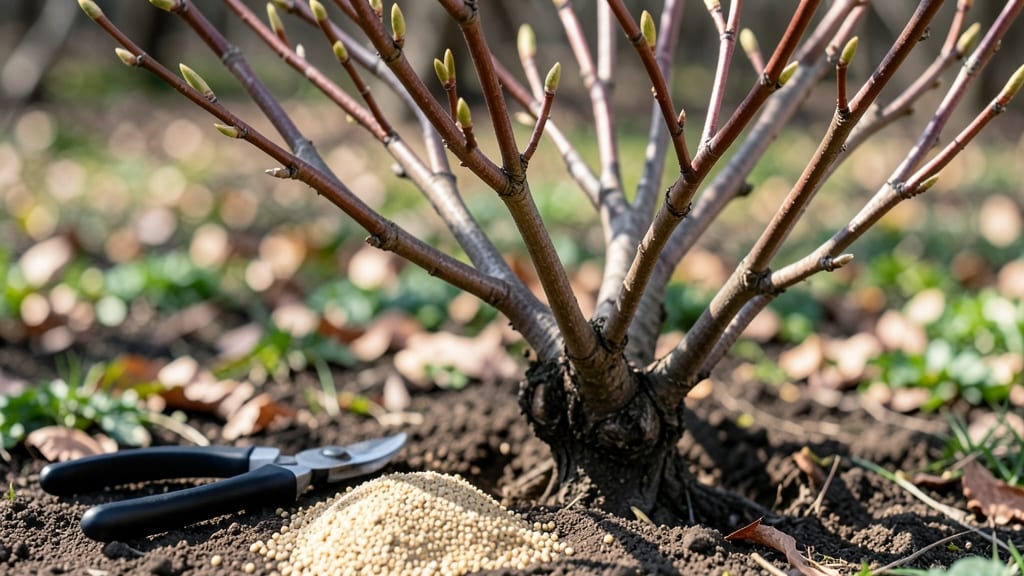
Your forsythia not flowering after years of bright yellow blooms is one of the most frustrating shrub problems—until you know the simple fixes that work every time.
I’ve nursed back three forsythias from total bloom failure, and the culprits are almost always the same: pruning at the wrong time, too much shade, or letting the plant get too old without rejuvenation. The good news?
These shrubs are tougher than they look, and the right timing can bring back those showstopping flowers.
Most people assume forsythia blooms appear magically each spring, but they actually form on last year’s growth. Prune right after flowering—never in late winter or fall—and you’ll preserve next year’s buds.
If your shrub has gotten leggy, a hard pruning in early summer can force fresh growth that’ll bloom by next spring. And don’t forget sunlight: these shrubs need at least six hours of direct sun daily, or they’ll skip flowering entirely to focus on survival.
Within a year of proper pruning and care, you’ll see new blooms—sometimes even on the same season’s growth if you’re lucky. The key is patience: forsythias reward consistent care with vibrant yellow cascades that light up the garden.
If your shrub is over 10 years old and still not flowering, it might just need a complete rejuvenation pruning to reset its energy. Let’s get those buds back!
This works for both mature shrubs and younger ones struggling to establish. The same principles apply whether you’re dealing with a single forsythia or a whole hedge. Once you understand the timing and care, you’ll have blooms for decades. Here’s exactly how to bring yours back to life.
Root Causes of Missing Blooms
When your forsythia fails to put on its signature yellow spring show, the issue almost always traces back to one (or more!) of these key factors.
Understanding the why behind the problem is the first step toward bringing back those vibrant blooms. Let’s break down the science—and the solutions—behind each common culprit.
Forsythias are sun-worshippers, thriving in full sun (6+ hours of direct light daily). When they don’t get enough light, they prioritize leafy growth over flowering—a survival tactic to maximize photosynthesis.
Here’s what happens in the shade: - Weakened flower buds: Buds form in late summer/fall, but low light reduces carbohydrate storage, leading to underdeveloped or absent blooms. - Leggy, sparse growth: Shady conditions stretch stems upward in search of light, diverting energy from flowers. - Delayed or no blooming: Some forsythias may produce fewer flowers or bloom weeks later than expected.
💡 Pro Tip: If your shrub is in partial shade (e.g., under trees), prune nearby branches to increase sunlight exposure. South- or west-facing locations are ideal.
Forsythias are deciduous but set flower buds in late summer/early fall—buds that must survive winter dormancy.
Cold snaps, frost heave (soil freezing/thawing cycles), or desiccating winds can: - Kill dormant buds: A hard freeze (<10°F) can damage or blacken buds before they open. - Disrupt root systems: Poor drainage or compacted soil worsens cold stress, leading to weakened spring regrowth. - Cause dieback: If stems blacken or split, the plant may redirect energy to recovery instead of flowering.
✨ Fix It: Mulch heavily (3–4 inches of wood chips) in late fall to insulate roots. Avoid pruning in late winter—wait until after blooming to assess damage.
Timing is everything with forsythias. These shrubs bloom on old wood (last year’s growth), so pruning too late or too aggressively removes next year’s flowers.
The mistakes: - Post-bloom pruning (June+): Trimming after flowers fade encourages new growth but eliminates next year’s buds. - Over-pruning in spring: Heavy cuts (beyond 1/3 of the plant) stress the shrub, reducing energy for blooms. - Shearing instead of shaping: Harsh, hedge-like cuts stifle airflow and light penetration, leading to sparse flowering.
🔥 Step-by-Step Fix:
- Prune right after flowering (late April–May) to shape the shrub.
- Remove only dead/diseased wood—never cut into old wood.
- Thin out crowded branches (20–30%) to improve airflow and light.
Forsythias are drought-tolerant but not drought-proof. Stress from water or nutrient imbalances triggers a "survival mode," where the plant skips reproductive growth (like flowering) to focus on roots and leaves.
| Issue | Symptoms | Solution |
|---|---|---|
| Underwatering | Wilting, crispy leaf edges, stunted growth | Water deeply 1–2x/week in dry spells; mulch to retain moisture. |
| Overwatering | Yellowing leaves, root rot, mold | Improve drainage; water only when top 2" of soil is dry. |
| Nitrogen deficiency | Pale yellow leaves, poor growth | Apply balanced fertilizer (10-10-10) in early spring. |
| Phosphorus/potassium lack | Fewer flowers, weak stems | Use a bloom-boosting fertilizer (5-10-10) in late fall. |
🌡️ Pro Tip: Test your soil’s pH (ideal: 6.0–7.0). Acidic soil (pH <5.5) locks out nutrients, while alkaline soil (>7.5) can cause deficiencies.
Hidden invaders can sap your forsythia’s energy, leaving it too weak to flower.
Common culprits: - Aphids/spider mites: Sap-sucking pests weaken stems and leaves, reducing photosynthesis. - Borers or scale insects: Tunnel into wood, causing dieback and stunted growth. - Powdery mildew: Fungal infection (white powder on leaves) blocks sunlight, stressing the plant. - Root rot (Phytophthora): Overwatered or poorly drained soil invites fungal attacks, killing roots.
👨🍳 Action Plan:
- Inspect leaves/stems for pests (use a magnifying glass).
- Prune and dispose of infected branches (don’t compost!).
- Apply neem oil (for pests) or fungicide (for mildew) in early spring.
Forsythias typically peak in 5–10 years, after which flowering may decline due to:
- Reduced vigor: Older plants have fewer new growth tips (where buds form).
- Crowded branches: Lack of pruning leads to shady interiors with no light for buds.
- Root decline: After 15+ years, roots may struggle to support the shrub’s needs.
🎯 Renewal Strategy:
- Rejuvenate old shrubs: Cut back 1/3 of the oldest stems to the ground in early spring. New growth will emerge from the base.
- Replace if needed: If the shrub is >20 years old and non-responsive, consider propagating cuttings or planting a new one.
Revive Your Forsythia’s Blooms
Now that you know why your forsythia might be skipping its spring floral show, let’s tackle the fixes—step by step. Each solution targets a specific cause, so pick the one (or ones!) that match your plant’s symptoms. And don’t worry—most of these are simple adjustments you can make this season!
If your forsythia isn’t getting enough sunlight, it may struggle to bloom. These shrubs thrive in full sun (6+ hours daily), but shade from trees or buildings can stunt flowering.
How to Fix It: 🔥 Move or trim obstacles – Prune nearby trees or relocate the shrub to a sunnier spot if possible. 🍳 Gradual sun exposure – If your forsythia is used to partial shade, gradually increase sunlight over a few weeks to avoid leaf scorch. 👨🍳 Reflect light – Place a light-colored wall or mirror behind the shrub to bounce extra sunlight onto its branches.
Prevention Tip: 💡 Plant forsythias where they’ll get morning sun and afternoon shade if your climate is extremely hot—this balances light and heat stress.
Forsythias bloom on old wood, meaning last year’s growth produces this year’s flowers. Cutting back too late or too aggressively can remove next year’s buds.
How to Fix It: 🔪 Prune right after flowering – Wait until late spring or early summer (after blooms fade) to trim. This ensures you don’t accidentally remove next year’s flower buds. 🥘 Shape lightly – Remove dead, crossing, or weak branches but avoid heavy pruning. Aim to keep the shrub open and airy. ⏰ Avoid fall/winter cuts – Pruning in late fall or winter can stimulate new growth that may freeze, weakening the plant.
Prevention Tip: ✨ Mark the branches that bloomed this year with flagging tape—this helps you avoid pruning them next season!
Overwatering or underwatering can stress forsythias, leading to poor blooming. These shrubs prefer consistent moisture but hate soggy roots.
How to Fix It: 🌡️ Check soil moisture – Stick your finger 2 inches deep into the soil. If it’s dry, water deeply; if it’s muddy, hold off. 📊 Water deeply, less often – Give the plant 1–1.5 inches of water per week, either from rain or manual watering. Use a soaker hose to avoid wetting leaves. 💪 Improve drainage – If your soil is clay-heavy, mix in compost or sand to help water drain better.
Prevention Tip: 🎯 Mulch around the base with 2–3 inches of organic mulch (like wood chips) to retain moisture and regulate soil temperature.
Forsythias aren’t heavy feeders, but poor soil nutrients can lead to weak growth and fewer flowers.
How to Fix It: 🥗 Test your soil – A simple DIY soil test kit (or lab test) can tell you if your forsythia needs nitrogen, phosphorus, or potassium. 🍎 Apply balanced fertilizer – In early spring, use a 10-10-10 or 20-20-20 fertilizer (follow package rates). Avoid high-nitrogen fertilizers—they promote leafy growth over flowers. 💡 Use organic options – Compost, bone meal, or fish emulsion can gently boost nutrients without risking over-fertilization.
Prevention Tip: 🔥 Forsythias in container gardens may need monthly feeding during growing season—just a diluted fertilizer solution works!
Pests like aphids, spider mites, or scale insects can sap energy from your forsythia, while diseases (like powdery mildew) can weaken it.
How to Fix It: 🔍 Inspect leaves & stems – Look for sticky residue (aphids), webbing (spider mites), or white powder (mildew). 🧼 Spray with neem oil – A natural, plant-safe insecticide/fungicide, neem oil disrupts pests and prevents fungal growth. Reapply every 7–10 days as needed. 🌿 Encourage beneficial insects – Plant marigolds or lavender nearby to attract ladybugs and lacewings, which eat common forsythia pests.
Prevention Tip: 🎯 Water early in the day to let foliage dry quickly—this reduces humidity, which fuels fungal diseases.
If your forsythia is newly planted, it may take 2–3 years to establish and bloom. Don’t panic—focus on healthy growth first.
How to Fix It: 🌱 Prioritize root development – Ensure the shrub gets consistent water and nutrients in its first year. 📅 Wait for maturity – Most forsythias bloom best when they’re 3–5 years old. If yours is younger, keep caring for it—flowers will come! 💡 Choose the right variety – Some forsythias (like ‘Spring Glory’) bloom earlier than others. If you’re impatient, consider swapping for a faster-blooming type.
Prevention Tip: ✨ Plant forsythias in well-draining soil from the start—they hate soggy roots, which delay blooming.
Final Thought: Most forsythias rebound quickly once their care needs are met. Try one or two fixes at a time, monitor progress, and soon you’ll be admiring those bright yellow cascades again! 🌸
Frequently asked questions
Why does my forsythia suddenly stop blooming after years of flowers?
Most likely, it’s due to pruning at the wrong time—forsythias bloom on old wood (last year’s growth). Cutting back too late (after June) removes next year’s buds. Also check for shade stress or nutrient deficiencies, which can redirect energy away from flowering.
Can I still get flowers if I pruned my forsythia too late last year?
Yes! Even if you missed last year’s buds, forsythias are resilient. Prune right after this year’s blooms fade (late spring) to shape the shrub, and focus on giving it full sun and balanced fertilizer. New buds will form on this year’s growth for next spring.
How do I know if my forsythia is too old to bloom?
Most forsythias peak at 5–10 years, but they can keep flowering for decades with proper care. If it’s over 15 years old and leggy with no blooms, try a rejuvenation pruning—cut back 1/3 of the oldest stems to the ground in early spring. New growth will emerge from the base.
Will moving my forsythia to a sunnier spot bring back the flowers?
Forsythias need 6+ hours of direct sunlight to bloom well. If your shrub is in shade, relocate it to a sunnier spot (south or west-facing is ideal) and thin nearby branches to increase light penetration. You should see improved blooms within 1–2 seasons.
What’s the fastest way to revive a non-flowering forsythia?
Combine these three steps:
- Prune after blooming (never in fall/winter),
- Apply a bloom-boosting fertilizer (5-10-10) in early spring, and
- Ensure full sun exposure. Add 2–3 inches of mulch to retain moisture. Most shrubs respond within 1 growing season!