
Flowers
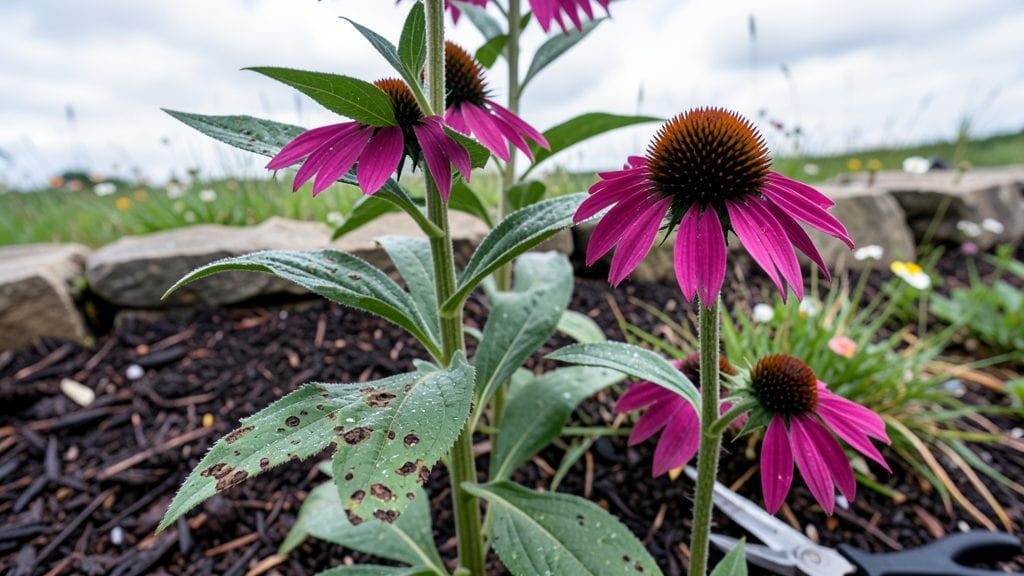
Cone flower disease turns those showstopping purple blooms into a sad, spotted mess—unless you catch it early. 🌿 I’ve watched powdery mildew and bacterial leaf spot creep in like silent thieves, turning lush foliage into a crunchy, discolored disaster.
The good news? Most of these problems have simple fixes once you know what to look for.
Fungal infections like powdery mildew thrive in crowded, damp conditions, while bacterial spots spread through splashing water or contaminated tools. Proper spacing—at least 18-24 inches apart—and watering at the base (not overhead) cuts off their lifelines.
I’ve seen gardens go from struggling to thriving just by adjusting these two habits.
Once you spot the signs—white powder, dark spots, or yellowing leaves—act fast with neem oil sprays or copper fungicides for fungal issues. For bacterial spots, prune infected leaves immediately and sterilize your shears with rubbing alcohol.
The key is consistency: treat once, then monitor weekly until new growth proves the plant’s back in fighting shape.
Prevention is your best bet, but even the healthiest gardens need a quick fix now and then. The goal isn’t perfection—it’s keeping those blooms vibrant so your garden stays the star of the neighborhood. Let’s get your cone flowers back to their best.
Root Causes Of Cone Flower Decline
Cone flowers (Echinacea) are hardy perennials, but they’re not immune to disease. Understanding the underlying causes of their decline helps gardeners take proactive steps to prevent or manage issues before they spiral out of control.
Below, we break down the most common culprits—from environmental stressors to microbial invaders—and explain the science behind each one.
Fungal diseases are the #1 reason cone flowers wilt, develop brown spots, or rot at the base. These pathogens thrive in moist, humid conditions and exploit weakened plants.
- Powdery Mildew (Erysiphe cichoracearum):
- Why it happens: This fungus spreads via airborne spores, landing on leaves and stems where they germinate in warm (60–80°F), dry conditions. It creates a white, powdery coating that blocks sunlight, starving the plant.
- Actionable fix: Space plants for airflow, avoid overhead watering, and apply neem oil or sulfur fungicides at the first sign of fuzzy white patches.
- Root Rot (Phytophthora or Fusarium species):
- Why it happens: Overwatering or poorly draining soil creates anaerobic conditions, where these water-mold fungi multiply. Infected roots turn black, mushy, and emit a foul odor.
- Actionable fix: Plant in well-draining soil, raise beds slightly, and avoid soggy conditions. If caught early, prune affected roots and treat with copper fungicide.
- Leaf Spot Diseases (Septoria or Alternaria):
- Why it happens: These fungi enter through wounds or wet foliage, causing dark, circular lesions with yellow halos. They spread rapidly in humid summers (75–85°F).
- Actionable fix: Remove infected leaves immediately, water at the base (not overhead), and apply baking soda spray (1 tsp baking soda + 1 quart water + a drop of soap) preventatively.
Insects don’t directly cause disease, but their feeding habits create entry points for pathogens and stress the plant, making it vulnerable.
- Aphids & Spider Mites:
- Why it happens: These sap-sucking pests inject toxins while feeding, causing curled leaves, stunted growth, and sticky honeydew (which attracts sooty mold).
- Actionable fix: Blast off aphids with water, introduce ladybugs or lacewings, or use insecticidal soap. For mites, increase humidity to deter them.
- Japanese Beetles:
- Why it happens: These voracious chewers skeletonize leaves, reducing the plant’s ability to photosynthesize. Their frass (droppings) can also harbor fungal spores.
- Actionable fix: Handpick beetles into soapy water, apply neem oil or milky spore bacteria, or use floating row covers early in the season.
Cone flowers are resilient, but extreme or inconsistent conditions can trigger disease symptoms by weakening their defenses.
- Poor Air Circulation:
- Why it happens: Crowded plants trap moisture, creating the perfect breeding ground for fungi. Dense foliage also slows drying after rain.
- Actionable fix: Thin out plants to 18–24 inches apart and prune to improve airflow. Avoid mulching too close to the stem.
- Extreme Temperature Swings:
- Why it happens: Sudden drops below 50°F or heatwaves above 90°F shock the plant, reducing its ability to fight off pathogens.
- Actionable fix: Choose disease-resistant varieties (e.g., Echinacea purpurea ‘White Swan’). Use row covers in spring for frost protection and provide afternoon shade in hot climates.
- Nutrient Imbalances:
- Why it happens: Over-fertilizing with nitrogen (especially synthetic types) promotes lush, soft growth that’s prone to fungal infections. Conversely, phosphorus or potassium deficiencies weaken roots.
- Actionable fix: Test soil pH (ideal: 6.0–7.0) and use compost or balanced organic fertilizer (10-10-10). Avoid high-nitrogen fertilizers in late summer.
While not a direct cause, improper use of pesticides or herbicides can disrupt the plant’s microbiome and immune system.
- Broad-Spectrum Pesticides:
- Why it happens: Chemicals like glyphosate or synthetic pyrethroids kill beneficial microbes and insects (e.g., bees, predatory mites) that help control pests and diseases.
- Actionable fix: Opt for targeted organic sprays (e.g., pyrethrin for beetles) and avoid spraying when bees are active. Use compost tea to restore soil health.
- Herbicide Drift:
- Why it happens: Residual herbicides (e.g., 2,4-D) can damage cone flower roots, making them susceptible to secondary infections.
- Actionable fix: Plant cone flowers at least 10 feet from lawns treated with herbicides. Use organic mulch to block drift.
By addressing these root causes—whether it’s fungal pressure, pest stress, or environmental factors—you can give your cone flowers the best chance to thrive. Prevention is key, but early intervention often means the difference between a minor setback and a full-blown crisis. 🌱
Revive Your Cone Flowers Naturally
Once you’ve identified the root cause of your cone flower’s woes—whether it’s fungal infections, pests, nutrient deficiencies, or environmental stress—it’s time to take action! Below are practical, step-by-step solutions tailored to each common issue, plus prevention tips to keep your blooms thriving long-term.
Fungal diseases thrive in damp, shaded conditions, but they’re often treatable with organic or chemical interventions—plus a few smart adjustments to your garden habits.
🔥 Immediate Fixes
- Prune Infected Stems
- Use sterilized pruners (wipe with rubbing alcohol between cuts) to remove all diseased leaves, stems, or flowers. Dispose of them in the trash (not compost).
- Focus on yellowing, spotted, or powdery-white growths—these are hotspots for spores.
- Apply Fungicide - Neem oil (1 tsp per quart of water + a drop of dish soap as an emulsifier): Spray early morning or evening to avoid burning leaves.
Reapply every 7–10 days until symptoms fade. - Baking soda spray (1 tbsp baking soda + 1 tsp oil + 1 quart water): Great for powdery mildew.
Test on a small leaf first for sensitivity. - Copper fungicide (like Bonide Copper Fungicide): Effective for rust and blight, but use only as a last resort (can harm beneficial insects).
- Boost Airflow
- Thin out crowded plants to improve circulation.
- Space cone flowers 18–24 inches apart to prevent humidity buildup.
- Avoid overhead watering—use a soaker hose or drip irrigation instead.
🌡️ Prevention Tips
- Water at the base (never the foliage) and early in the day so leaves dry quickly.
- Mulch with 2–3 inches of organic mulch (like shredded bark) to deter soil-borne fungi.
- Rotate crops if planting in containers—don’t reuse soil where cone flowers (or susceptible plants like tomatoes) grew last season.
Pests can sap the life out of your cone flowers, but natural predators and manual removal often work better than harsh chemicals.
👨🍳 Step-by-Step Pest Control
- Handpick or Blast Off Pests
- Japanese beetles: Fill a bucket with soapy water and knock them in with a strong stream from the hose.
- Aphids: Spray with water (forceful stream dislodges them) or rub off with a damp cloth.
- Spider mites: Wipe leaves with a damp sponge to remove webs and eggs.
- Introduce Beneficial Insects
- Ladybugs (eat aphids), lacewings (devour soft-bodied pests), and parasitic wasps (target beetles) can be ordered online or attracted with native plants like dill or yarrow.
- Use Insecticidal Soap or Oil
- Insecticidal soap (like Safer® Brand): Spray directly on pests (avoid hot sun to prevent leaf burn).
- Horticultural oil (like Neem oil): Apply at night for spider mites and scales.
- Set Up Traps
- Japanese beetle traps: Place away from your garden (they attract more beetles if too close!).
- Yellow sticky traps: Hang near plants to catch flying pests like whiteflies.
✨ Prevention Tips
- Encourage biodiversity—plant marigolds, basil, or lavender nearby to repel pests.
- Remove debris (like fallen leaves) where pests hide over winter.
- Avoid over-fertilizing with nitrogen—soft, lush growth attracts aphids.
Cone flowers need balanced nutrition to fight off disease and pests. If they’re looking pale, leggy, or weak, they’re likely missing key nutrients.
📊 Diagnose & Fix
| Symptom | Likely Cause | Solution |
|---|---|---|
| Yellow lower leaves | Nitrogen deficiency | Apply balanced fertilizer (10-10-10) or compost tea every 4–6 weeks. |
| Purple stems/leaves | Phosphorus deficiency | Use a phosphorus-rich fertilizer (like bone meal) or fish emulsion. |
| Weak stems, small flowers | Potassium deficiency | Feed with wood ash (sprinkle lightly around base) or potassium sulfate. |
| Slow growth | Micronutrient lack | Use a chelated iron or magnesium supplement (like Epsom salt for magnesium). |
🌱 Prevention Tips
- Test your soil (use a home kit or send to a lab) to identify specific deficiencies.
- Mulch annually with well-rotted compost to slowly release nutrients.
- Avoid over-fertilizing—cone flowers prefer moderate fertility and can suffer from too much salt.
Sometimes, the issue isn’t a pathogen but your garden’s conditions. Adjusting these factors can prevent future problems and revive struggling plants.
🏡 Quick Adjustments
- Improve Drainage
- If soil is clay-heavy, amend with sand or perlite (mix 1 part into 3 parts soil).
- Raise containers slightly off the ground to prevent waterlogging.
- Shade or Shelter
- Scorch from sun? Provide afternoon shade with a light cloth or lattice.
- Frost-sensitive? Cover with frost cloth in late fall or early spring.
- Adjust Watering
- Drought stress? Water deeply 2–3 times per week (early morning).
- Overwatering? Let soil dry 1–2 inches deep between waterings.
🎯 Long-Term Solutions
- Choose the right location: Cone flowers thrive in full sun (6+ hours/day) but tolerate partial shade in hot climates.
- Group with companions: Plant salvia, black-eyed Susans, or grasses nearby for windbreaks and microclimate benefits.
- Mulch properly: Use 2–3 inches of organic mulch (like straw) to retain moisture and regulate soil temp.
- Inspect plants weekly for early signs of stress or pests.
- Keep a garden journal to track what works (and what doesn’t) each season.
- Rotate treatments (e.g., alternate neem oil with insecticidal soap) to prevent pest resistance.
With these targeted fixes, your cone flowers should bounce back stronger—and stay resilient against future issues. 🌸💪 Happy gardening!
Frequently asked questions
What are the most common signs of fungal infections in cone flowers?
Look for white powdery coatings (powdery mildew), dark circular spots with yellow halos (leaf spot), or fuzzy gray mold (Botrytis). These appear on leaves, stems, or buds, often after humid weather or poor airflow. Act fast—prune affected areas and apply neem oil to stop spread.
Can I save a cone flower plant with root rot?
Early-stage root rot is treatable! Prune blackened roots with sterilized shears, repot in fresh, well-draining soil, and reduce watering. For severe cases, propagate healthy stems in water or soil—cone flowers often regrow from cuttings. Avoid soggy soil moving forward.
Why do my cone flowers keep getting bacterial leaf spot?
Bacterial spots thrive in crowded, wet conditions. Space plants 18-24 inches apart and water at the base (never overhead). Sterilize pruners between cuts to prevent spreading bacteria. Remove infected leaves immediately—don't compost them.
Are there disease-resistant cone flower varieties?
Yes! Look for Echinacea purpurea cultivars like 'White Swan' or 'Hot Papaya'—they're bred for better disease resistance. For extra protection, choose varieties with thicker foliage, which resists fungal spores better than delicate types.
How often should I spray neem oil on my cone flowers?
Apply neem oil every 7-10 days during active growth (spring-fall) for prevention. For existing fungal issues, spray twice weekly until symptoms disappear. Always apply in the evening to avoid leaf burn from sunlight.