
Planting
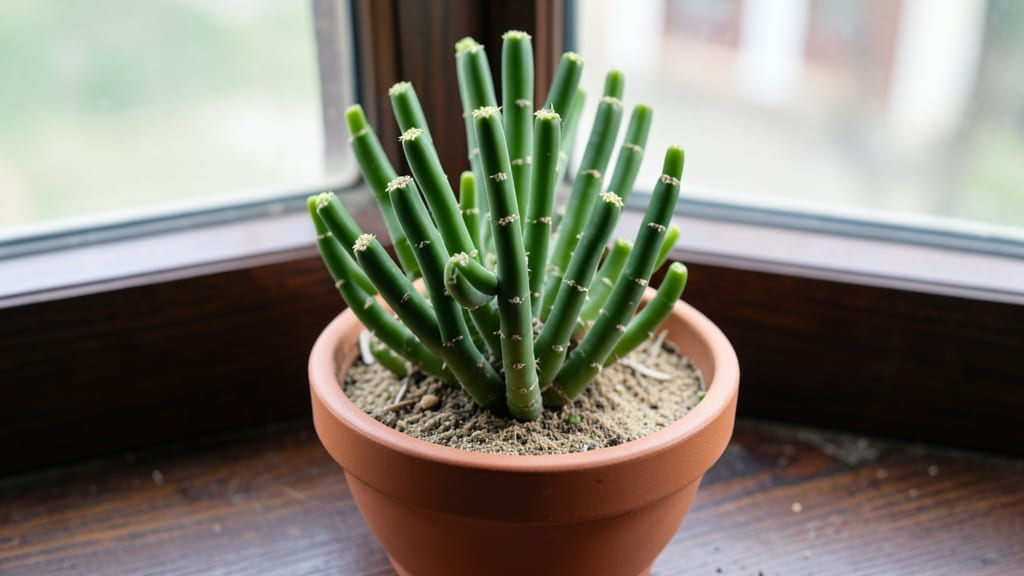
The pencil flower plant (Euphorbia tirucalli) is the architectural star of drought-tolerant gardens, with its striking vertical stems and surprising resilience. I’ve grown mine for years—it thrives on neglect, yet still delivers that unexpected burst of tiny yellow blooms that hummingbirds adore.
The key is understanding its desert roots while working with what you’ve got, whether that’s a sunny patio or a dry corner of the yard.
This plant demands almost nothing—well-draining soil, full sun, and water only when the top inch feels bone-dry. Prune it back hard in early spring to encourage fresh growth, and watch those pencil-thin branches thicken into a lush, sculptural form.
Propagation is a breeze too: simply snap off a stem, let it callous over, and stick it in soil. It’s the kind of plant that rewards patience with bold, structural presence.
By midsummer, your pencil plant will be the showstopper of the garden—its glossy stems catching the light, its subtle fragrance drawing in pollinators. It’s perfect for modern landscapes, container gardens, or even as a dramatic indoor plant near a sunny window.
The best part? It keeps growing, year after year, with almost no effort.
Fair warning: those milky sap can be irritating, so wear gloves when pruning. But once you’ve got it established, it’s a foolproof way to add drama without the fuss. Here’s how to keep yours thriving—no matter where you live.
📚 In This Guide
- What you need
- Instructions
- Tips and common mistakes
- Wrapping up and next steps
What you need
- ● Seeds or cuttings: 1 packet of Stylosanthes seeds (or 3-5 healthy cuttings for propagation)
- ● Soil: Well-draining potting mix (or garden soil amended with compost for outdoor planting)
- ○ Optional: Perlite or sand (10-20% by volume) for improved aeration
- ● Containers: Seed trays or small pots (3-4 inches deep) for seedlings
- ○ Optional: Larger pots (12+ inches) or garden space for mature plants
- ● Tools: Small hand trowel or spoon for planting
- ● Spray bottle (for gentle watering)
- ○ Optional: Pruning shears (for trimming mature plants)
- ● Sunlight: Full sun (6+ hours daily) or partial shade (4+ hours)
- ● Climate: USDA Zones 7-11 (or similar temperate/subtropical regions)
- ● Water: Moderate moisture (keep soil slightly damp but not soggy)
- ● pH Level: Slightly acidic to neutral (6.0-7.0)
- ● Pollinator-Friendly: Plant near other nectar-rich flowers (e.g., lavender, sunflowers) to attract bees and butterflies!
- ● 🌡️ Temperature: Ideal germination range is 65-75°F (18-24°C). Use a heat mat if needed!
- ● ✨ Slow Releaser: Mix in 1-2 tbsp of slow-release fertilizer (like 10-10-10) at planting for a nutrient boost.
- ● 🎯 Spacing: Thin seedlings to 6-12 inches apart to prevent overcrowding.
Step-by-Step guide to growing pencil flower plants
Here’s how to cultivate these fragrant, pollinator magnets with minimal fuss—perfect for borders or containers.
Choose the Right Location for Planting
Pencil flower thrives in full sun to partial shade, with at least 6 hours of direct sunlight daily. I always plant mine in a spot with morning sun and afternoon shade to prevent leaf scorch, especially in hot climates. The soil should drain well—these plants hate soggy roots.
If your garden has heavy clay soil, amend it with 2-3 inches of compost mixed into the top 12 inches before planting. Work the compost in gently so roots can easily penetrate. Test the soil pH—pencil flower prefers 6.0 to 7.0. If your soil is too acidic, add a handful of lime per planting hole.
Prepare the Planting Site
Dig a hole twice as wide as the root ball but only as deep as the container it came in. This prevents burying the stem too deeply, which can cause rot. Gently loosen the roots if they’re circling in the pot—just tease them apart with your fingers.
Place the plant in the hole and backfill with the native soil, pressing lightly around the edges to remove air pockets. Water deeply right after planting to settle the soil and encourage root contact. You’ll know it’s done right when the soil surface looks slightly firm and no gaps remain around the base.
Water and Mulch for Retention
Water once a week during the first growing season, providing 1-1.5 inches of water per session. Check moisture by sticking your finger 2 inches deep into the soil—if it feels dry, it’s time to water. Overwatering is the biggest mistake beginners make; pencil flower is drought-tolerant once established.
Spread 2-3 inches of mulch (like shredded bark or straw) around the base, keeping it 3 inches away from the stem to prevent rot. Mulch conserves moisture and regulates soil temperature, which is especially helpful in summer. Replenish mulch annually to maintain its effectiveness.
Prune and Fertilize for Continuous Blooms
Deadhead spent blooms every 2-3 weeks to encourage more flowers. Simply pinch off the faded blossoms with your fingers or pruning shears—no need for fancy cuts. This trick keeps the plant focused on producing new flowers instead of seeding.
Fertilize once in early spring with a balanced 10-10-10 formula (follow package rates). Avoid heavy feeding later in the season, as it can reduce flowering. I’ve found that pencil flower does best with light, infrequent feeding—too much fertilizer leads to lush foliage but fewer blooms.
Overwinter for Year-Round Growth
In colder zones, pencil flower is semi-evergreen and can handle down to 10°F with protection. Once temperatures drop below 30°F, mound 4-6 inches of mulch around the base to insulate the roots. Remove the mulch in early spring once new growth appears.
If you’re in a frost-prone area, cut back dead stems to 6 inches in late winter. New growth will emerge from the base, and the plant will rebound quickly. I’ve seen pencil flower bounce back even after a hard freeze—just give it time and consistent care.
Tips & tricks for perfect pencil flower plant growth
A few simple strategies will help you coax the most vibrant blooms and robust growth from your pencil flower plants—without the guesswork.
Location is Everything: When selecting your planting spot in Step 1, pay close attention to the sun's path throughout the day. While pencil flowers tolerate partial shade, the first 3 hours of morning sunlight are non-negotiable for strong stems and abundant blooms. I've noticed that plants in afternoon shade often produce fewer flowers—so if you're in a hot climate, prioritize morning sun exposure to prevent leaf scorch while still getting those essential 6 hours of light.
The Soil Foundation: Don't skip the soil preparation in Step 1 if you have heavy clay soil. The 2-3 inches of compost mixed into the top 12 inches creates the perfect balance of drainage and nutrients. I've seen plants struggle in unamended clay because water pools around the roots, leading to rot. For an extra boost, mix in a handful of perlite to improve aeration—this is especially helpful in urban gardens where soil compaction is common.
Watering Wisdom: The once-weekly watering guideline in Step 3 works best when you check soil moisture at the 2-inch depth. Here's what I've learned: in summer months, you might need to water every 5-6 days instead of weekly, especially if you're in a windy area where soil dries out faster. The key is to water deeply each time—light, frequent watering encourages shallow root growth, while deep watering strengthens the plant's root system for long-term health.
Winter Protection Strategy: When temperatures drop below 30°F in Step 5, that 4-6 inch mulch layer becomes your plant's best friend. I've found that adding a layer of straw mulch first (which breaks down quickly) followed by a thicker layer of shredded bark creates an insulating sandwich that protects roots down to 10°F. This two-layer approach gives you the moisture retention of straw while the bark provides longer-term insulation.
Pro Tips for Pencil Flower Plant
- A few simple strategies will help you coax the most vibrant blooms and robust growth from your pencil flower plants—without the guesswork.
- Location is Everything: When selecting your planting spot in Step 1, pay close attention to the sun's path throughout the day.
- The Soil Foundation: Don't skip the soil preparation in Step 1 if you have heavy clay soil.
Frequently asked questions
Got questions about growing and caring for the pencil flower plant (Stylosanthes spp.)? Here are some of the most common ones—and their answers!
How fast does a pencil flower plant grow?
The growth rate depends on conditions, but pencil flowers typically grow 6–12 inches per year under ideal settings (full sun, well-draining soil, and regular watering). In optimal climates, they can establish quickly and bloom within 6–12 months from planting. Patience pays off—these hardy perennials reward long-term care with year-round fragrance!
Why aren’t my pencil flowers blooming?
If your plant isn’t flowering, check these common culprits:
- Insufficient sunlight: Pencil flowers thrive in full sun (6+ hours/day). Move to a sunnier spot if indoors or supplement with a grow light.
- Over- or under-watering: Let soil dry slightly between waterings (they dislike soggy roots). Drought stress can delay blooms.
- Poor soil: Amend with sandy, well-draining soil and a balanced fertilizer (low nitrogen) in spring to encourage flowering.
Can pencil flowers grow in containers?
Pencil flowers adapt well to containers if given:
- A pot at least 12 inches deep with drainage holes.
- Fast-draining potting mix (add perlite or sand).
- Regular watering (containers dry out faster than ground soil).
Do pencil flowers attract pests?
While generally pest-resistant, pencil flowers may occasionally host:
- Aphids or spider mites (common in dry conditions). Treat with neem oil or a strong spray of water.
- Whiteflies (if grown indoors near other plants). Isolate affected plants and use yellow sticky traps.
Are there drought-tolerant alternatives to pencil flowers?
If you love pencil flowers but need lower-maintenance options, try these pollinator-friendly, drought-resistant plants:
- Lavender (Lavandula spp.) – Fragrant, thrives in poor soil, and loves sun.
- Russian sage (Perovskia atriplicifolia) – Silvery foliage, long blooms, and zero fuss.
- Blackfoot daisy (Melampodium leucanthum) – White daisy-like flowers, heat-tolerant.
- Desert marigold (Baileya multiradiata) – Bright yellow blooms, drought-proof once established.
Wrapping up and next steps
The pencil flower plant is a fragrant, low-maintenance gem that brings beauty and pollinators to your garden year-round! 🌸 With its striking blooms and resilience, it’s perfect for both beginners and seasoned gardeners.
Whether you’re drawn to its delicate scent or its ability to attract bees and butterflies, this plant is a must-have for any outdoor space.
Ready to grow yours? Start by gathering your supplies—soil, sunlight, and a little patience—and watch your garden transform! 🌱 Check out the full guide to get planting today.