
Flowers
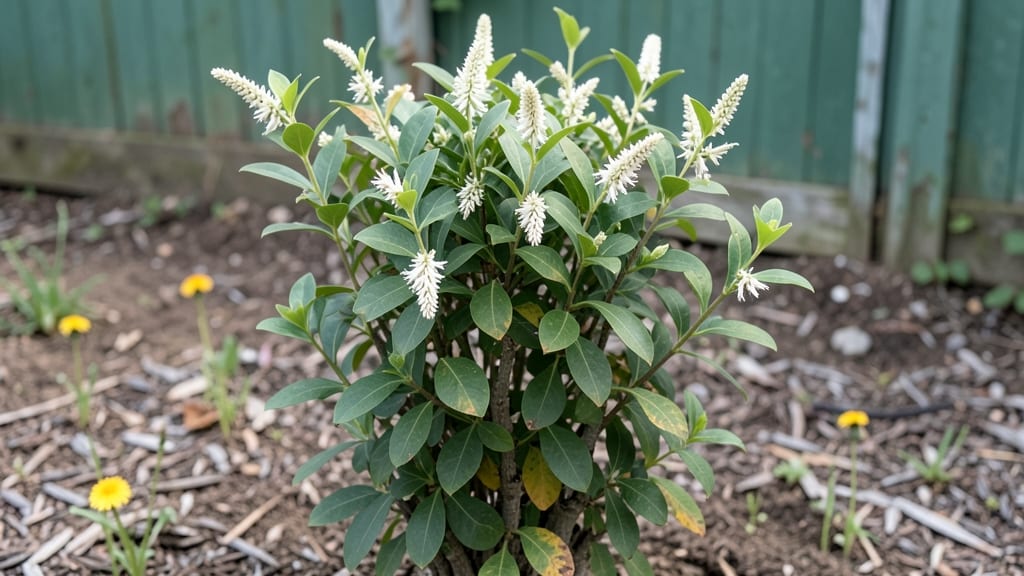
Privet shrubs in flower are the unsung heroes of fragrant privacy screens, offering neighborhood-approved blooms that smell like spring all season long. 🌿 I remember the first time I planted them—they transformed my dull backyard corner into a fragrant, evergreen haven that neighbors now envy.
The tiny white flowers may seem modest, but their intoxicating scent and lush foliage make them the workhorse of low-maintenance gardens.
What makes privet so special is how effortlessly it delivers year-round interest. In spring, those delicate blooms perfume the air, while summer brings glossy green leaves that block noise and wind. Even in winter, the dense growth stays vibrant, creating a living wall that never loses its charm.
The best part? These shrubs thrive in almost any soil and handle pruning like a pro—cut them back after flowering, and they’ll bounce back with even more vigor next season.
Imagine a hedge so dense it feels like a private retreat, where you can sip morning coffee surrounded by the sweet, honey-like fragrance of privet blossoms. Pair them with spring bulbs like daffodils or tulips at their base, and you’ve got a four-season show that requires almost no extra work.
The flowers attract pollinators too, turning your privacy screen into a mini ecosystem that’s as functional as it is beautiful.
Perfect for hedges, borders, or even as a standalone specimen, privet adapts to almost any garden style. Whether you’re masking a noisy street, defining property lines, or just adding texture to your landscape, these shrubs deliver foolproof results with minimal fuss.
Let’s make your outdoor space smell—and look—like a well-kept secret.
📚 In This Guide
- What you need
- Instructions
- Tips and common mistakes
- Wrapping up and next steps
What you need
- ● Privet plants: 1–3 Ligustrum shrubs (e.g., Ligustrum × vicaryi or Ligustrum ovalifolium ‘Aureum’ for golden foliage). Choose 1-gallon containers for mature plants or seedlings for DIY growers.
- ● Soil: 1–2 cubic yards of well-draining garden soil mixed with compost (ratio: 3 parts soil to 1 part compost). For containers, use potting mix with perlite.
- ● Fertilizer: Slow-release balanced fertilizer (10-10-10) or organic compost tea for planting.
- ○ Optional: Citrus-specific fertilizer (privet loves slightly acidic soil, pH 6.0–7.0).
- ● Mulch: 2–3 inches of pine bark or shredded leaves to retain moisture and suppress weeds.
- ● Digging tools: Garden shovel or trowel for planting.
- ● Hand pruners (sterilized with rubbing alcohol) for trimming.
- ● Measuring tools: Tape measure (to space plants 3–6 feet apart, depending on variety).
- ● Watering supplies: Garden hose with a soaker hose or watering can (deep watering 1–2x/week for established plants).
- ○ Optional: Drip irrigation system for low-maintenance hydration.
- ● Safety gear: Gloves (privet can have thorny stems!) and knee pads for comfort.
- ● Sunlight: Full sun to partial shade (6+ hours/day). Privet thrives in USDA Zones 5–9.
- ● Location: Choose a spot with 6+ feet of vertical clearance (privet grows 6–15 feet tall!). Avoid low-lying areas prone to frost pockets.
- ● Pruning plan: Have a sharp bypass pruner and ladder (for tall varieties) ready for shaping.
- ○ Optional extras: Eco-friendly pest control (e.g., neem oil for aphids).
- ● Decorative stakes or trellis for training young plants.
How to plant and maintain privet for stunning year-round interest
Here's the straightforward approach I use to create a lush, fragrant hedge that thrives all season long.
🌱 Step 1: Choose the Right Location and Prepare the Soil
Privet thrives in full sun to partial shade, making it perfect for most yards. I always pick a spot with at least 6 hours of sunlight daily—this ensures the best flowering and foliage density. Test your site by observing how much sun reaches it during the longest day of summer.
Privet adapts to most soil types but performs best in well-draining soil with a slightly acidic to neutral pH. Before planting, loosen the soil to a depth of 12 inches using a garden fork. Work in a 2-inch layer of compost to improve drainage and fertility. If your soil is heavy clay, mix in 1 part sand for every 3 parts soil to prevent root rot.
🪴 Step 2: Plant Privet Shrubs at the Correct Spacing
For a dense, impenetrable hedge, plant privet shrubs 3-4 feet apart. This spacing allows room for growth while ensuring the plants fill in quickly. Dig holes twice as wide and just as deep as the root ball of each plant. I always remove the shrub from its container and gently tease the roots apart if they're circling.
Place each shrub in its hole so the top of the root ball sits 1 inch below the surrounding soil level. This slight burial prevents the stem from drying out and encourages strong root growth. Backfill with soil, tamping it down gently to remove air pockets. Water deeply to settle the soil around the roots.
☀️ Step 3: Water and Mulch for Healthy Growth
Water newly planted privet deeply once a week for the first 2 months, ensuring the soil stays moist but not soggy. You'll know it's right when the top 2 inches of soil feel damp to the touch. After that, privet becomes quite drought-tolerant once established, but I still water during prolonged dry spells.
Apply a 2-3 inch layer of mulch around each plant, keeping it 3 inches away from the stem to prevent rot. I use shredded bark mulch because it breaks down slowly and improves soil structure over time. Mulching also suppresses weeds and retains soil moisture, reducing the need for frequent watering.
✂️ Step 4: Prune for Shape and Encourage Flowering
Privet blooms best when pruned properly. I prune mine twice a year: once right after flowering in late spring and again in early summer. Use clean, sharp shears to cut back any leggy growth or branches that spoil the shape. For a formal hedge, trim the outer edges to create clean lines, cutting just above a leaf node.
To encourage more flowers, I avoid heavy pruning in late summer or fall. This gives the plant time to develop flower buds for the next season. If you notice overgrowth, simply trim back the longest branches by one-third to maintain a balanced shape. Always disinfect your shears with rubbing alcohol between cuts to prevent the spread of disease.
🌿 Step 5: Maintain Year-Round with Minimal Effort
Privet is one of the most low-maintenance shrubs you can grow. Once established, it requires little more than occasional watering during dry spells. I fertilize mine once a year in early spring with a balanced, slow-release fertilizer to keep it healthy and vibrant.
Watch for signs of stress like yellowing leaves or sparse flowering—these usually indicate either overwatering or nutrient deficiency. If you see powdery mildew on the leaves, prune affected branches immediately and apply a fungicide if necessary. With proper care, your privet will reward you with fragrant white flowers in spring and glossy evergreen foliage year-round.
Tips & tricks for perfect privet planting and care
Creating a fragrant, year-round privet hedge takes some strategic planning—and I've learned these tricks after years of trial and error. Here's what makes all the difference.
Sunlight Secret: That 6 hours of sunlight daily is non-negotiable for optimal flowering. If your yard only gets 4-5 hours, position privet where it gets morning sun and afternoon shade—this prevents leaf scorch while still encouraging blooms. I test potential spots by observing sunlight patterns during summer's longest day.
Root Ball Placement: The 1-inch burial of the root ball is crucial—it prevents stem drying while encouraging deep root growth. I always check this by marking the root ball's top with a pencil before planting, then verifying it sits exactly 1 inch below soil level after backfilling. This small detail makes a huge difference in establishment success.
Pruning Timing: Those two annual pruning sessions (late spring and early summer) are key for flowering. I mark my calendar right after spring blooms appear—this ensures I don't accidentally trim off next year's flower buds. For formal hedges, I use a string line to create perfectly straight edges when trimming.
Mulch Maintenance: That 2-3 inch mulch layer should be refreshed annually as it breaks down. I add fresh mulch in early spring, keeping it 3 inches away from stems to prevent rot. Pine bark mulch works beautifully and adds a nice aesthetic to the base of my privet hedges.
Pro Tips for Privet In Flower
- Creating a fragrant, year-round privet hedge takes some strategic planning—and I've learned these tricks after years of trial and error.
- Sunlight Secret: That 6 hours of sunlight daily is non-negotiable for optimal flowering.
- Root Ball Placement: The 1-inch burial of the root ball is crucial—it prevents stem drying while encouraging deep root growth.
Frequently asked questions
When does privet actually flower, and how long does it last?
Privet typically blooms in late spring to early summer (May–June in most U.S. zones), with clusters of small, white, or pale pink flowers that last 2–4 weeks. Some varieties, like Ligustrum amurense, may rebloom lightly in fall. For extended blooms, plant in full sun and prune lightly after flowering to encourage new growth.
Is privet invasive? Should I worry about it spreading?
Most cultivated privet varieties (like Ligustrum × vicaryi) are non-invasive, but avoid planting Ligustrum sinense or L. japonicum—they can become aggressive in warm climates. Stick to sterile hybrids or check your local invasive species list. Always remove seed heads if you’re concerned!
Do privet flowers attract bees or other pollinators?
Yes! Privet flowers are a great early-season nectar source for bees, butterflies, and beneficial insects. Their small, tubular blooms are especially loved by honeybees. For extra pollinator appeal, pair privet with lavender, catmint, or Russian sage in your privacy screen.
Can privet survive winter in cold climates?
Privet is hardy to USDA zones 5–9, meaning it tolerates winters down to -20°F (-29°C). In colder zones, mulch the base with 3–4 inches of shredded bark or leaves to protect roots. Young plants may need winter wrap in harsh climates, but established shrubs usually bounce back with minimal care.
What’s the best alternative if I want fragrant flowers but no privet?
Try these fragrant, low-maintenance alternatives for privacy screens:
- Mock orange (Philadelphus) – Highly fragrant white blooms, zones 4–8.
- Deutzia – Clusters of delicate flowers, zones 5–8.
- Weigela – Vibrant pink/purple blooms, zones 4–8.
- Abelia – Semi-evergreen with sweet-scented flowers, zones 6–9.
Wrapping up and next steps
Watching your privet burst into fragrant, lush blooms is like nature’s way of rewarding your green thumb! 🌸 This versatile shrub isn’t just a privacy screen—it’s a year-round star with easy care, low maintenance, and endless charm.
Whether you’re a seasoned gardener or just starting, privet delivers beauty, texture, and even wildlife benefits with minimal effort.
Ready to transform your space? Start small—plant one or two as a test, then expand! Check local nurseries for varieties that thrive in your climate, and soon, you’ll be enjoying that sweet, honey-like scent and the pride of a thriving hedge. Happy gardening!