
Shrubs
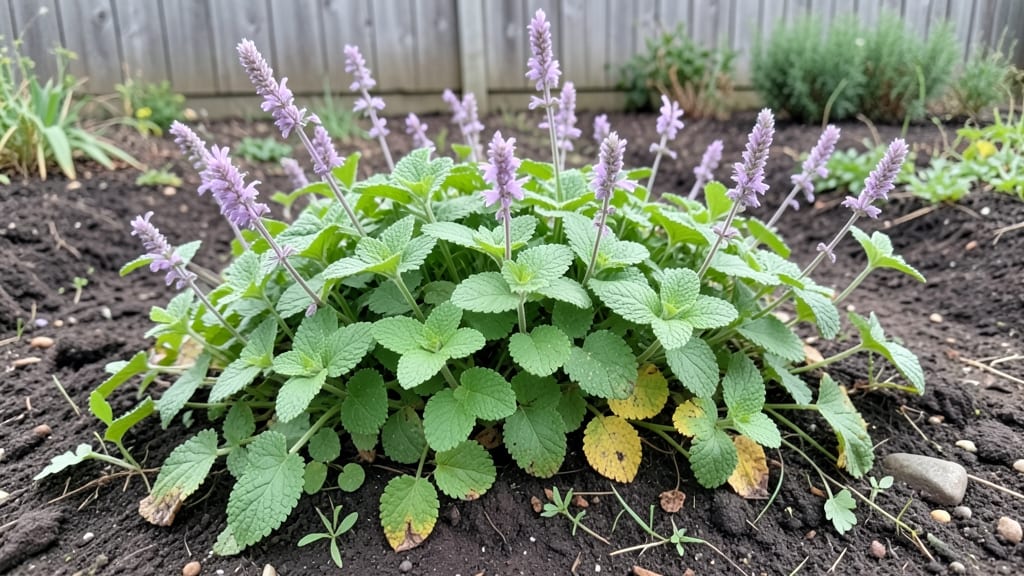
Growing purple flowering mint transforms any space into a fragrant, eye-catching display. 🌿 I learned the hard way that this vigorous spreader needs the right conditions—or it takes over. The key is containing its roots while letting those lavender-purple blooms shine.
This mint thrives in partial shade and moist, well-draining soil, making it perfect for containers or garden edges. A 5-gallon pot with drainage holes keeps it manageable, and regular pinching encourages bushier growth. The scent alone—bright, citrusy with herbal undertones—makes pruning worthwhile.
By midsummer, you’ll have a plant bursting with 3-inch flower spikes that attract bees and butterflies. Snip the blooms for tea or let them dry for potpourri, but don’t skip deadheading—it keeps the plant producing more flowers instead of seed.
Whether you’re growing it for the garden’s edge or a patio pot, purple flowering mint’s low-maintenance charm makes it a standout. Just watch for its tendency to wander—and enjoy the fragrant rewards.
📚 In This Guide
- What you need
- Instructions
- Tips and common mistakes
- Wrapping up and next steps
What you need
- ● Purple flowering mint plants: 1–3 nursery-grown plants (6-inch pots) or 2–3 cuttings (4–6 inches long with nodes).
- ● Containers: 1–2 well-draining pots (12+ inches wide/deep) with drainage holes. Terracotta or fabric pots work best!
- ● Potting mix: 3–5 gallons of moisture-retentive but well-draining mix (e.g., 60% peat/coir, 30% perlite, 10% compost).
- ● Slow-release fertilizer: 1 cup of balanced 10-10-10 or organic fertilizer (like fish emulsion).
- ● Mulch: 1–2 inches of organic mulch (straw, shredded bark, or pine needles) to retain moisture.
- ● Gloves & pruners: For handling plants and trimming (sterilize with rubbing alcohol!).
- ● Trowel or small shovel: For transplanting or dividing roots.
- ● Watering can or hose with gentle spray: Mint loves moisture but hates soggy roots!
- ○ Support (optional): Small stakes or a trellis if your mint grows tall and leggy.
- ○ Epsom salt (optional): 1 tbsp per gallon of water monthly for a magnesium boost (great for purple hues!).
Step-by-step instructions for growing purple flowering mint in containers
Here's how to coax those stunning lavender blooms into your pots with minimal fuss.
🪴 Step 1: Select the Right Container and Prepare Drainage
Choose a container that's at least 12 inches wide and deep—purple flowering mint spreads aggressively, so give it room to establish without crowding. I prefer unglazed ceramic pots because they breathe better than plastic, preventing root rot. Make sure it has multiple drainage holes at the bottom; if not, drill them yourself. Place a 2-inch layer of gravel or broken pottery in the bottom to create an air pocket that prevents waterlogging.
This plant thrives when its roots aren't smothered in soggy soil. The gravel layer ensures excess water drains away while still allowing roots to breathe. If your pot has no drainage, you'll see yellowing leaves and stunted growth within weeks—don't skip this step.
🌱 Step 2: Mix Soil for Optimal Drainage and Nutrition
Fill the container with a blend of 50% premium potting mix and 50% perlite or coarse sand. This combination prevents compaction while providing the moisture retention mint loves. I add a slow-release organic fertilizer (like 1 tablespoon of 10-10-10) mixed into the soil to give those purple blooms a strong start. The perlite keeps roots aerated, which is critical—compacted soil leads to root rot and weak stems.
Moisten the mix thoroughly with lukewarm water until it's damp but not dripping. You'll know it's right when a handful compresses slightly but doesn't crumble. Overwatering now will drown the roots before they even establish, so let any excess water drain completely before proceeding.
☀️ Step 3: Plant and Position for Maximum Sunlight
Dig a hole in the center of the pot twice as wide as the root ball of your purple flowering mint plant. Gently remove the plant from its nursery pot and place it in the hole, ensuring the top of the root ball sits just below the soil line. Fill around the roots with your prepared mix, pressing lightly to eliminate air pockets. Water deeply until moisture seeps from the drainage holes.
Purple flowering mint demands full sun (6-8 hours daily) for those signature lavender blooms. Place your container in the southernmost spot on your patio or balcony. If you're limited to partial shade, expect fewer flowers—this plant won't bloom as prolifically without sufficient light. Watch for leaves curling toward the light; if you see this, rotate the pot weekly for even growth.
💧 Step 4: Water and Feed for Continuous Blooms
Keep the soil consistently moist but never soggy. Water when the top inch feels dry to the touch, which for mint usually means every 2-3 days in summer or every 5-7 days in cooler months. I use a self-watering pot in peak heat to prevent underwatering—mint wilts dramatically when thirsty, and it takes days to recover. Always water at the base to avoid wetting the leaves, which can promote fungal diseases.
Feed your plant every 6 weeks with a balanced liquid fertilizer (half-strength) during the growing season. The first signs of nutrient deficiency are pale leaves and sparse blooms. I swear by a fish emulsion for its gentle nitrogen boost—it keeps the foliage lush without burning the roots. Stop fertilizing in fall to let the plant prepare for dormancy.
✂️ Step 5: Prune and Maintain for Bushier Growth
Pinch back the top sets of leaves when the plant reaches 6 inches tall to encourage bushier growth. This simple step prevents leggy stems and triggers more side shoots, which means more blooms. Regularly trim back any spent flowers to redirect the plant's energy into new growth rather than seed production. You'll see a noticeable difference in density within 4-6 weeks of consistent pruning.
Divide the plant every 2-3 years when it outgrows its container. Simply lift it, separate the root clumps, and replant the healthiest sections. Mint spreads rapidly, and overcrowding leads to weak stems and fewer flowers. If you notice the center dying out while the edges thrive, it's time to split it up—this rejuvenates the plant and gives you free propagation material.
Tips & tricks for growing purple flowering mint in containers
Here's what I've learned after years of growing purple flowering mint—these small details make all the difference between a thriving plant and one that struggles to bloom.
Container Selection Matters: The 12-inch minimum size is non-negotiable for purple flowering mint. I've tried smaller pots, and within a month, the roots were circling the bottom, causing the plant to become stunted. Unglazed ceramic pots are ideal because they allow moisture to evaporate through the sides, but if you prefer plastic, just make sure to water more frequently. The key is that drainage holes are essential—without them, you'll battle root rot within weeks. If your chosen pot lacks drainage, drill holes yourself or use a cache pot with a built-in reservoir.
Soil Mix Secrets: That 50/50 blend of potting mix and perlite isn't just arbitrary—it's about balance. The premium potting mix provides nutrients while the perlite prevents compaction that leads to root rot. Pro tip: Sterilize your soil mix by microwaving it for 2 minutes to kill any fungal spores before planting. I also add a handful of worm castings to the mix for extra microbial activity that boosts growth. The soil should feel like a damp sponge—not wet enough to drip, but moist enough to hold together when squeezed.
Sunlight Strategy: Those 6-8 hours of full sun are critical for the lavender blooms, but here's the thing about mint—it's aggressive. If you notice leaves curling toward the light, it's not just seeking sun; it's telling you the light isn't even. Rotate your container weekly to ensure all sides get equal exposure. In hot climates, provide afternoon shade to prevent leaf scorch, which appears as crispy brown edges. A sheer curtain can work wonders for protecting your plant while still allowing light through.
Pruning Payoff: The 6-inch height for pinching back might seem arbitrary, but it's actually about timing the plant's natural growth cycle. When you see those first sets of leaves at the top, that's your cue. Regular pruning every 4-6 weeks keeps the plant bushy and encourages continuous blooming. I save my pruned stems in a jar of water—they'll regrow roots and give you free propagation material. Just be ruthless with spent flowers; deadheading redirects the plant's energy from seed production to new growth.
Pro Tips for Purple Flowering Mint
- Here's what I've learned after years of growing purple flowering mint—these small details make all the difference between a thriving plant and one that struggles to bloom.
- Container Selection Matters: The 12-inch minimum size is non-negotiable for purple flowering mint.
- Soil Mix Secrets: That 50/50 blend of potting mix and perlite isn't just arbitrary—it's about balance.
Frequently asked questions
Got questions about growing and caring for purple flowering mint? You’re not alone! Here are some of the most common inquiries—plus quick, practical answers to help you cultivate lush, fragrant blooms with ease.
When is the best time to plant purple flowering mint?
Plant purple flowering mint in early spring (after the last frost) or late summer for a fall harvest. This timing ensures roots establish before extreme heat or cold. If starting from seeds, sow indoors 6–8 weeks before the last frost for a head start!
How often should I water purple flowering mint?
Keep soil consistently moist but not soggy—water when the top inch feels dry. Mint thrives in humid conditions, so mulch around plants to retain moisture. Pro tip: Containers dry out faster, so check daily in hot weather!
Can I grow purple flowering mint in containers, and what size should they be?
Mint spreads aggressively, so use containers at least 12–18 inches deep and wide with drainage holes. A 5-gallon bucket works well for a single plant. Warning: Without containment, it can overtake gardens—plant in pots to control growth!
Why aren’t my purple flowering mint plants blooming?
Blooms may lag due to over-fertilization (too much nitrogen = leafy growth, no flowers), poor sunlight (6+ hours of sun is ideal), or crowded roots. Try pruning leggy stems or moving pots to a sunnier spot. Deadhead spent blooms to encourage more flowers!
What can I do with purple flowering mint besides eating it?
Beyond culinary uses, try these ideas:
- Fragrant bouquets: Snip blooms for long-lasting, aromatic arrangements.
- Natural dye: Steep dried flowers in hot water for lavender-purple fabric dye.
- Pest repellent: Crush leaves and place near plants to deter ants and mosquitoes.
- Tea blends: Mix with chamomile or berries for a floral, minty herbal tea.
Is purple flowering mint invasive, and how do I stop it from spreading?
Yes—it’s highly invasive! To contain it:
- Grow in containers with deep roots.
- Trim aggressively to prevent runners from escaping.
- Plant in shaded areas where it won’t outcompete other plants.
Wrapping up and next steps
Growing purple flowering mint is a rewarding journey that brings vibrant color and fragrant charm to your space—whether in pots, gardens, or even as a culinary herb! 🌿 With the right soil, sunlight, and care, this hardy plant thrives with minimal fuss, offering both beauty and practicality.
Whether you’re a seasoned gardener or a beginner, its resilience makes it a perfect addition to your green thumb adventures.
Ready to transform your balcony or patio? Start by planting your seeds or cuttings this week—soon, you’ll be harvesting lush leaves and admiring those stunning purple blooms. Happy growing! 🌸