Pests
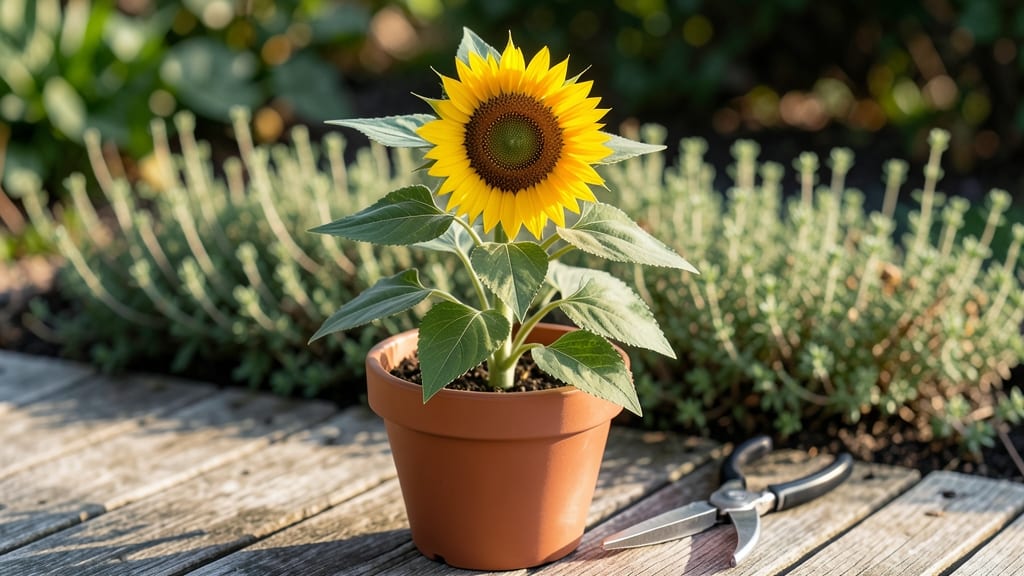
Growing the world's smallest sunflowers is like cultivating tiny bursts of sunshine—Teddy Bear sunflowers reach just 12-18 inches tall but pack the same cheerful energy as their giant cousins. 🌻 I fell for these little giants after seeing them spill over container edges, their golden faces turning toward the sun like tiny solar panels.
They’re perfect for balconies, patios, or even windowsills where space is tight but charm is unlimited.
These pint-sized powerhouses need the same basics as full-sized sunflowers—full sun (6+ hours daily), well-draining soil, and regular watering—but with one key difference: their roots stay compact, so containers as small as 5 gallons work beautifully.
The real magic happens when you watch them bloom in 6-8 weeks, their faces tracking sunlight like tiny sun-worshippers. They’re also bee magnets, turning your space into a pollinator paradise without taking up yard space.
What makes them special is how they thrive in tight spaces while still delivering that classic sunflower joy. Their stems are sturdy enough for cutting (great for bouquets!), and they rebloom if you deadhead spent flowers. The only challenge?
Their small size means they need more frequent watering—think of them like thirsty little desert survivors. With the right care, you’ll have a sunflower garden that fits in a pot but steals the show.
Whether you’re a container gardener, urban dweller, or just love sunflowers, these mini varieties prove you don’t need a big yard for big impact. Let’s get those tiny seeds growing!
📚 In This Guide
- What you need
- Instructions
- Tips and common mistakes
- Wrapping up and next steps
What you need
- ● Sunflower seeds: Choose dwarf varieties (e.g., Teddy Bear or Moulin Rouge). Buy 2–5 seeds per container.
- ● Containers: Small pots (4–6 inches deep) or hanging baskets with drainage holes. 1–2 containers per seedling.
- ● Potting mix: Well-draining, lightweight blend (e.g., 60% peat/coir, 30% perlite, 10% compost). 1 bag (1–2 cubic feet) for multiple plants.
- ● Slow-release fertilizer: Balanced (10-10-10 or 5-5-5). 1–2 tbsp per container at planting.
- ● Watering can or spray bottle: For gentle hydration (avoid oversaturating!).
- ● Trowel or small shovel: For planting seeds.
- ○ Twine or stakes (optional): If stems need light support (mini sunflowers rarely do!).
- ○ Pruning shears (optional): To trim dead leaves or encourage bushier growth.
- ○ Sunlight tracker (optional): To ensure 6+ hours of direct sun daily.
How to grow dwarf sunflowers in containers
These cheerful little giants prove big personality fits in small spaces—here's how to coax them to thrive.
🪴 Step 1: Choose the Right Containers and Drainage
Select containers that are at least 12 inches deep and 12 inches wide for each plant—dwarf sunflowers need room to develop sturdy roots. I prefer terracotta pots because they wick moisture away naturally, preventing root rot in these heat-loving plants. Make sure each container has at least three drainage holes at the bottom; if yours don't, drill them yourself. Place a 2-inch layer of gravel or broken pottery in the bottom before adding soil to create an air pocket that prevents waterlogging.
Here's the thing—dwarf sunflowers hate soggy feet. If your pots lack proper drainage, you'll see yellowing leaves and weak stems within weeks. I always test drainage by filling the empty pot with water and watching it drain completely within 5-10 minutes. If water pools at the bottom, your setup needs adjustment before planting.
🌱 Step 2: Prepare Lightweight, Fertile Soil Mix
Fill your containers with a 50/50 blend of premium potting mix and perlite—this creates the loose, airy medium dwarf sunflowers crave. I avoid garden soil because it compacts too easily in containers, strangling those delicate roots. Mix in 1 tablespoon of balanced 10-10-10 fertilizer per container to give your plants a nutrient boost from day one. The goal is soil that feels like a damp sponge when squeezed—firm enough to support stems but light enough for roots to explore.
Don't skip the perlite. Without it, the soil will stay too dense, and your sunflowers will develop weak stems that flop over under their own weight. I always moisten the mix before planting by adding water until it's evenly damp but not dripping. You'll know it's ready when a handful leaves just a faint print when squeezed—this prevents both underwatering and waterlogged roots.
☀️ Step 3: Plant Seeds at Proper Depth and Spacing
Plant one seed per container, placing it ½ inch deep in the center of the pot. Press the soil gently around the seed to ensure good contact—this helps prevent the seed from drying out during germination. Space your containers 18-24 inches apart if growing multiple plants; dwarf varieties still need room to develop their signature broad leaves. I label each pot immediately with the variety and planting date because these little sunflowers grow so fast you'll forget which is which.
Here's where it gets fun—watch for the first true leaves to emerge in 7-14 days. Until then, maintain consistent moisture by watering when the top inch of soil feels dry. The seedling stage is critical: if the soil dries out completely, germination fails; if it stays too wet, damping-off fungus will attack the tender sprouts. A spray bottle keeps moisture even without disturbing the soil.
💧 Step 4: Provide Full Sun and Consistent Care
Move your containers to a location that receives at least 6-8 hours of direct sunlight daily—dwarf sunflowers may be small, but they're sun-worshippers. A south-facing window or balcony works perfectly, but if you're growing indoors, supplement with a grow light positioned 6-12 inches above the plants. You'll notice leggy growth if the light is too far away—this means the plant is stretching desperately toward any available light source.
Water deeply 2-3 times per week, always at the base of the plant to avoid wetting the leaves—this prevents fungal diseases that thrive in damp foliage. I always check moisture by sticking my finger 1 inch into the soil; if it feels dry, it's time to water. Once your sunflowers reach 12 inches tall, reduce watering slightly to encourage stronger stems. Overwatering at this stage leads to weak, floppy plants that can't support their own blooms.
✂️ Step 5: Support and Deadhead for Continuous Blooms
When your dwarf sunflowers reach 18-24 inches tall, install small stakes or tomato cages to support their heavy blooms. The reason we do this isn't just for show—it prevents the stems from snapping under the weight of those cheerful faces. I tie the stems loosely with soft plant ties, leaving room to grow. Watch for the first buds to form; these will open into 3-5 inch blooms within 2-3 weeks of appearing.
Deadhead spent blooms by snipping the flower head just above the next set of leaves. This encourages the plant to produce more flowers instead of focusing energy on seed development. Real talk: skipping this step means fewer blooms and a shorter display season. I repeat this process every 2-3 weeks throughout the growing season, and my dwarf sunflowers keep producing cheerful faces until frost.
Tips & tricks for growing thriving miniature sunflowers
These little sunflowers pack big personality—here's how to ensure your container-grown beauties reach their full potential.
Container Selection: Don't overlook the importance of container material. While terracotta is ideal, you can also use fabric grow bags for excellent aeration. Just ensure they're at least 12 inches deep and wide, and reinforce the bottom with a sturdy liner if needed. The drainage test is non-negotiable—if water pools after 10 minutes, your setup needs adjustment before planting. I've learned this the hard way after watching seedlings drown in poorly draining containers.
Soil Preparation: The 50/50 potting mix and perlite ratio creates the perfect airy foundation, but here's what nobody tells you—add a handful of worm castings to each container. This boosts beneficial microbes that help roots absorb nutrients more efficiently. When moistening your mix, aim for the consistency of a damp sponge: squeeze gently, and it should hold its shape with just a faint print. Too wet, and you'll risk root rot; too dry, and germination suffers.
Germination Strategy: Those first 7-14 days are critical for seedling success. I've found that placing containers in a clear plastic bag creates a mini greenhouse effect, speeding up germination while maintaining consistent moisture. Just remove the bag once you see the first true leaves appear—this prevents fungal issues from excess humidity. Remember to keep the soil consistently moist by watering when the top inch feels dry, but never let it become soggy.
Lighting Solutions: While 6-8 hours of direct sunlight is ideal, indoor growers can supplement with LED grow lights positioned 6-12 inches above the plants. I recommend using a timer for 12-14 hours of light daily to mimic natural daylight cycles. Watch for leggy growth as a warning sign—this means your plants are stretching toward any available light source and need more intense lighting or a closer position.
Pro Tips for World'S Smallest Sunflower
- These little sunflowers pack big personality—here's how to ensure your container-grown beauties reach their full pote...
- Container Selection: Don't overlook the importance of container material. While terracotta is ideal, you can also use...
- Soil Preparation: The 50/50 potting mix and perlite ratio creates the perfect airy foundation, but here's what nobody...
Frequently asked questions
Got questions about growing the world’s smallest sunflower? You’re not alone! Here are answers to the most common queries to help you cultivate these tiny, cheerful blooms with confidence.
What’s the smallest sunflower variety, and where can I buy seeds?
The Teddy Bear sunflower holds the title for the smallest variety, reaching just 12–18 inches tall with 3–4 inch blooms. Look for seeds from reputable suppliers like Baker Creek Heirloom Seeds, Burpee, or local nurseries specializing in dwarf plants. Always check seed packets for disease resistance and container-friendly labels!
Can I grow these sunflowers in pots, and what size container do I need?
The world’s smallest sunflowers thrive in containers as long as the pot is at least 12–18 inches deep and has drainage holes. Use a 5-gallon bucket or a hanging basket for single plants, or cluster 3–4 in a 18-inch-wide planter. Just ensure the container is sturdy—wind can topple lightweight pots!
How long does it take for tiny sunflowers to bloom?
From seed to bloom, expect 60–75 days for most miniature varieties. Fast-track growth by planting seeds indoors 4–6 weeks before the last frost in warm climates (Zones 5–9). Use a grow light if natural light is limited, and keep soil temperatures above 55°F for optimal germination.
What pests should I watch for, and how do I protect my mini sunflowers?
Tiny sunflowers are vulnerable to aphids, spider mites, and slugs. Prevent issues with neem oil sprays (mix 1 tsp per quart of water) or introduce beneficial insects like ladybugs. For slugs, set up beer traps (bury a cup filled with beer) or use copper tape around pots. Early detection is key!
Can I grow these sunflowers indoors year-round?
While possible, indoor growth requires extra care. Use a south-facing window or grow lights (12–14 hours/day) to mimic sunlight. Maintain humidity with a pebble tray and fertilize lightly every 2–3 weeks with a balanced 10-10-10 formula. Expect slower growth and smaller blooms compared to outdoor conditions.
Wrapping up and next steps
The world’s smallest sunflower isn’t just a charming addition to your garden—it’s a testament to nature’s creativity and your green thumb! With the right miniature varieties and container-friendly care, you’ve got everything you need to grow these tiny beauties, even in small spaces. 🌱
Now that you’re armed with tips and tricks, why not take the next step? Grab a pot, pick your favorite dwarf variety, and watch your sunflower dreams bloom—literally! Share your progress with fellow plant lovers and inspire others to try their hand at growing these adorable sunflowers.