
Shrubs
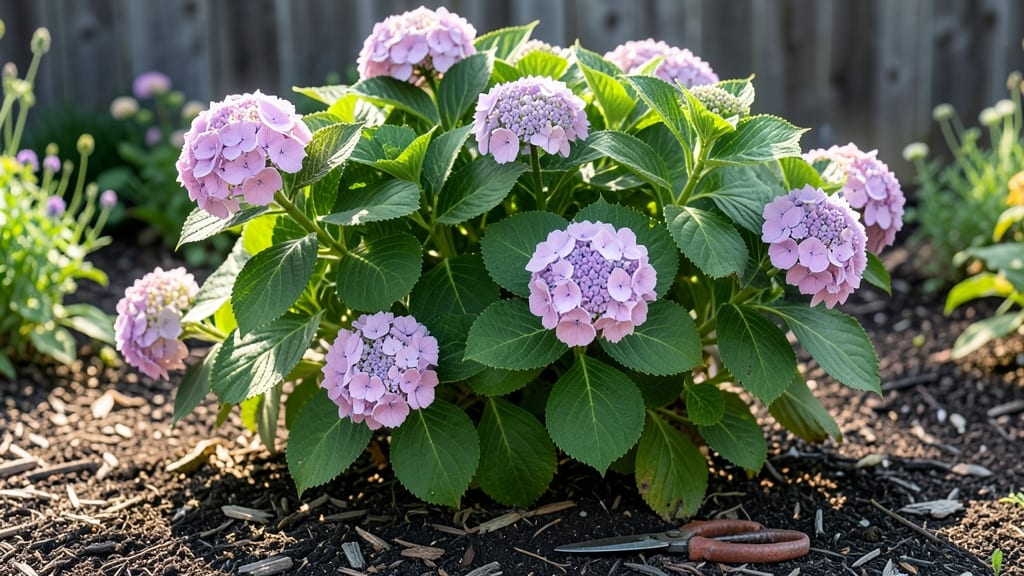
The best part-sun flowering shrubs transform shady corners into vibrant pollinator magnets. 🌿 I’ve planted these tough beauties along my north-facing fence, and they’ve turned a dull spot into a year-round showstopper with minimal effort.
These shrubs thrive where others struggle, offering blooms from spring through fall while keeping bees and butterflies buzzing.
Think hydrangeas, abelia, or spirea—plants that handle morning sun and afternoon shade without wilting. They’re the backbone of my mixed borders, blending effortlessly with perennials and evergreens.
Most stay compact enough for small gardens but can also anchor larger landscapes. The key is choosing varieties that match your light conditions and color scheme.
You’ll end up with lush foliage that stays green even in heatwaves, plus flowers that shift color with the seasons. Pair them with ferns or hostas for texture contrast, and you’ve got a low-maintenance garden that feels alive all year.
The best part? These shrubs attract pollinators without needing extra feedings or fuss.
Perfect for borders, foundation plantings, or even container gardens on patios. Let’s pick the right ones for your space—no guesswork required.
📚 In This Guide
- What you need
- Instructions
- Tips and common mistakes
- Wrapping up and next steps
What you need
- ● Part-sun flowering shrubs: Choose from varieties like Hydrangea, Weigela, or Abelia (3–5 plants, depending on desired coverage). Opt for container-grown plants (1–3 gallons) for faster establishment.
- ● High-quality potting soil or garden soil: 1–2 cubic yards (amend with compost or aged manure for nutrients).
- ● Organic mulch: 2–3 inches of pine bark or shredded leaves to retain moisture and suppress weeds.
- ● Slow-release fertilizer: 10-10-10 or balanced organic fertilizer (e.g., fish emulsion) for planting.
- ● Watering can or hose with a gentle spray nozzle: For deep watering (1–2 gallons per plant, 2–3 times per week).
- ● Garden trowel or hand shovel: For digging holes (1.5x wider than the root ball).
- ● Pruning shears: Bypass pruners (sharp, clean) for shaping and deadheading.
- ● Gloves: Heavy-duty gardening gloves to protect hands.
- ● Measuring tape or ruler: To ensure proper spacing (check plant tags for guidelines).
- ○ Optional but helpful: Soil pH test kit (ideal range: 5.5–6.5 for most flowering shrubs).
- ● Epsom salt (for magnesium boost if leaves show yellowing).
- ● Pollinator-friendly companion plants (e.g., salvia or coneflowers) for extra color.
- ● Location scouting: Identify a spot with 3–6 hours of sunlight daily (morning sun + afternoon shade works best).
- ● Soil prep: Test and amend soil 2–4 weeks before planting for optimal drainage.
- ● Weather check: Plant on a cool, cloudy day or in early spring/fall to reduce stress.
Step-by-Step guide to planting and maintaining part-sun flowering shrubs
Transform your garden into a pollinator paradise with these stunning, low-maintenance shrubs thriving in partial shade.
🌱 Step 1: Select the Perfect Shrub Varieties for Your Space
Choose from hydrangeas (like 'Endless Summer' or 'Nikko Blue'), abutilon (flowering maple), or weigela—all of which bloom beautifully in 3-6 hours of morning sun. I always opt for native varieties when possible, as they support local pollinators most effectively. Check your USDA hardiness zone to ensure your selections thrive year-round.
For year-round color, pair early bloomers like pieris japonica (February-March) with late-season favorites such as coralberry (summer-fall). Place taller shrubs (like abutilon) at the back of borders and shorter ones (like hydrangea 'Limelight') in front for layered visual impact.
🪴 Step 2: Prepare the Planting Site with Proper Soil and Spacing
Test your soil’s pH—hydrangeas need acidic soil (5.0-6.0), while weigela thrives in neutral to slightly alkaline (6.0-7.5). Amend heavy clay with 2-3 inches of compost and sandy soil with peat moss to improve moisture retention. Dig holes twice as wide as the root ball but no deeper.
Space shrubs 3-6 feet apart, depending on mature size. I always plant in overcast conditions to reduce transplant shock, then water deeply to eliminate air pockets. Mulch with 2-3 inches of shredded bark to retain moisture and suppress weeds—just keep mulch 6 inches away from stems to prevent rot.
☀️ Step 3: Plant and Water for Immediate Establishment
Gently remove the shrub from its container and loosen tangled roots. Place it in the hole so the top of the root ball sits 1 inch above soil level—settling will occur over time. Backfill with native soil, pressing lightly to eliminate gaps. Water immediately with 1 gallon per plant to help roots acclimate.
For the first 2 weeks, water every 2-3 days until the soil is 2 inches deep moist. You’ll know it’s right when water drains freely from the bottom of the hole. Avoid wetting foliage to prevent fungal diseases like powdery mildew, which thrives in humid part-shade conditions.
🌿 Step 4: Prune Strategically for Season-Long Blooms
Prune hydrangeas right after flowering to encourage next year’s blooms—cut back 1/3 of the oldest stems each year. For abutilon, trim leggy growth in early spring to promote bushier, flower-heavy branches. Weigela responds well to late-winter pruning, so shape it before buds swell but haven’t broken yet.
Deadhead spent blooms on coralberry to redirect energy to new growth, but leave seed heads on native shrubs like spirea to feed birds and pollinators. Always use clean, sharp pruners and sterilize them with 70% isopropyl alcohol between cuts to prevent disease spread.
⏰ Step 5: Fertilize and Mulch for Year-Round Vitality
Apply a slow-release granular fertilizer (10-10-10) in early spring and again after flowering. For hydrangeas, add aluminum sulfate in late summer to intensify blue blooms (or lime for pink). I top-dress with 1 inch of compost annually to replenish nutrients without risking over-fertilization.
Replenish mulch in late winter to protect roots from freeze-thaw cycles. Monitor for aphids or spider mites—common pests in part-shade gardens—and treat with neem oil if infestations appear. With proper care, these shrubs will reward you with continuous blooms and pollinator activity for decades.
Tips & tricks for perfect part-sun flowering shrubs
Creating a thriving pollinator garden with part-sun flowering shrubs is all about strategic planning and attentive care. Here are the game-changing tips that'll help you achieve that lush, blooming landscape you dream of.
Location Intelligence: The 3-6 hours of morning sun mentioned in Step 1 is crucial—this golden window gives your shrubs enough light without scorching them in afternoon heat. I've found that east-facing garden beds provide perfect morning sun exposure while protecting plants from intense afternoon rays. For maximum pollinator appeal, position your shrubs near water sources or other flowering plants to create a pollinator highway.
Soil Science Matters: When preparing your planting site in Step 2, consider using a soil test kit to get precise pH readings. For hydrangeas, aim for that 5.0-6.0 range by adding sulfur if needed, while weigela's 6.0-7.5 preference might require lime. Pro tip: Mix in 1/4 cup of bone meal at planting time for an extra phosphorus boost that encourages strong root development and vibrant blooms.
Watering Wisdom: That initial 1 gallon per plant watering in Step 3 is just the beginning. I recommend installing a drip irrigation system on a timer for the first 2 weeks to ensure consistent moisture—especially important in part-shade conditions where evaporation is slower. The 2-inch deep moisture check is your best indicator, but I've found that early morning watering (before 8 AM) minimizes fungal risks while keeping roots hydrated throughout the day.
Pruning Precision: The strategic pruning in Step 4 can make or break your shrub's performance. For hydrangeas, I mark the stems I'll cut back with colored flags in late summer so I remember which ones to prune after flowering. For abutilon, I've discovered that a late-winter pruning combined with a pinch of growth hormone paste on fresh cuts can double your flowering potential the following season. Always sterilize your pruners between cuts—this simple step has saved me from multiple fungal infections over the years.
Pro Tips for Part Sun Flowering Shrubs
- Creating a thriving pollinator garden with part-sun flowering shrubs is all about strategic planning and attentive care.
- Location Intelligence: The 3-6 hours of morning sun mentioned in Step 1 is crucial—this golden window gives your shrubs enough light without scorching them in afternoon heat.
- Soil Science Matters: When preparing your planting site in Step 2, consider using a soil test kit to get precise pH readings.
Frequently asked questions
Got questions about part-sun flowering shrubs?
Here are answers to the most common ones—from placement to care—so you can keep your garden blooming beautifully!
What does "part sun" really mean for shrubs?
"Part sun" typically means 3 to 6 hours of direct sunlight per day. However, some flowering shrubs (like Hydrangea or Weigela) tolerate morning sun + afternoon shade, while others (like Abelia) thrive with filtered light. Always check the specific shrub’s needs—overly hot spots can scorch leaves!
When is the best time to plant part-sun flowering shrubs?
Plant in early spring or fall when temperatures are mild (50–70°F). This gives roots time to establish before summer heat or winter frost. Avoid planting in peak summer—the stress can stunt growth. If you must plant in summer, water deeply daily for the first 2 weeks to prevent shock.
Which part-sun shrubs attract the most pollinators?
Top picks for bees, butterflies, and hummingbirds include:
- Butterfly Bush (Buddleia) – Long-blooming spikes loved by swallowtails.
- Dwarf Fothergilla – Fragrant spring blooms + fall color.
- Coralberry (Symphoricarpos) – Berries feed birds, flowers draw bees.
- Smoke Bush (Cotinus) – Airy plumes + pollinator-friendly blooms.
What if my part-sun shrub isn’t flowering?
Lack of blooms often stems from:
- Too much shade – Move to a brighter spot (but avoid harsh afternoon sun).
- Over-fertilizing with nitrogen – Use a balanced bloom booster (like 10-10-10) in early spring.
- Pruning at the wrong time – Prune after flowering (e.g., Hydrangea in late summer) to encourage next year’s buds.
- Stress from drought or pests – Check for aphids or mites and water deeply 1–2x weekly in dry spells.
Are there drought-tolerant part-sun shrubs for low-maintenance gardens?
Try these resilient picks:
- Dwarf Oakleaf Hydrangea (Hydrangea quercifolia) – Thrives in partial shade with minimal water once established.
- Oakleaf Cotoneaster – Handles dry soil and 4+ hours of sun with vibrant fall foliage.
- Dwarf Lilac (Syringa meyeri) – Fragrant blooms + drought-resistant once rooted.
Wrapping up and next steps
Part-sun flowering shrubs are the secret weapon for adding vibrant color and life to your garden—even in less-than-sunny spots! 🌸 From butterfly magnets like Butterfly Bush to fragrant Abelia, these plants thrive with just a few hours of sunlight while attracting pollinators and keeping your landscape lively year-round.
Whether you're a beginner or a seasoned gardener, these low-maintenance beauties make it easy to create a thriving, eco-friendly space.
Ready to transform your garden? Start small—pick one or two shrubs that suit your space and sunlight conditions, then expand as you see what flourishes. Happy planting! 🌿