Shrubs
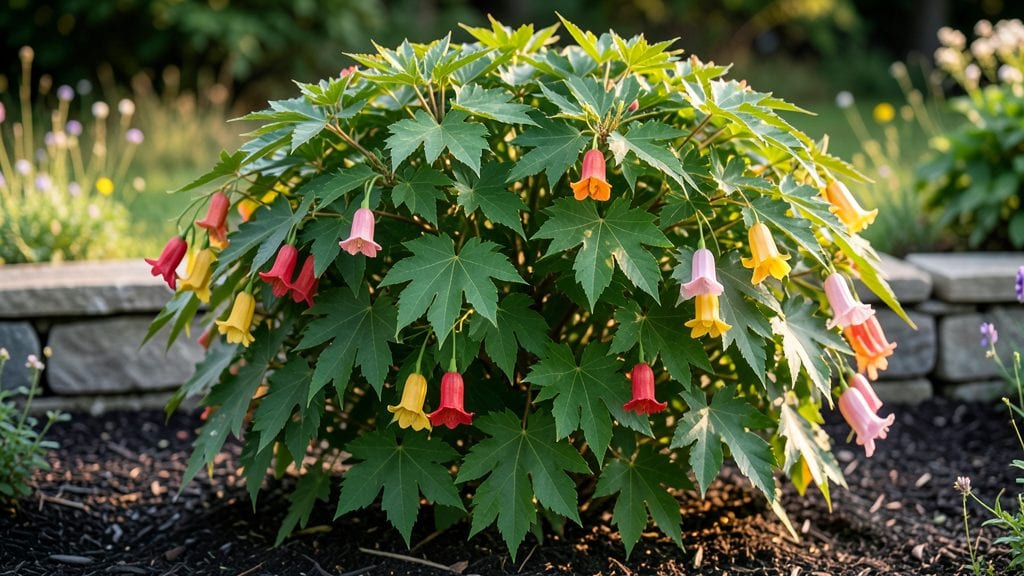
Proper flowering maple care begins with timing—prune right after the flowers fade, or risk losing next season’s stunning blooms. ✨ Trust me, I learned this the hard way. that’s supposed to be showstopping.
The secret isn’t complicated: well-draining soil, morning sun, and strategic cuts to shape the plant while keeping it healthy. Most people overwater or prune at the wrong time, but once you nail these basics, your flowering maple will reward you with vibrant blooms from spring through fall—and sometimes even winter.
You’ll end up with a lush, compact shrub that stays disease-resistant and blooms reliably. The key is timing—prune in late spring, fertilize lightly in early summer, and watch those flowers come back stronger every year. Even in containers, this plant thrives with the right care.
Works for both outdoor landscapes and patio pots, though larger varieties need more space. Here’s how to keep yours looking its best all season long.
📚 In This Guide
- What you need
- Instructions
- Tips and common mistakes
- Wrapping up and next steps
What you need
- ● Well-draining soil mix: 50% native soil, 30% compost, 20% perlite or sand (for aeration). Pro tip: Flowering maples ✨ hate soggy roots!
- ● Organic mulch: 2–3 inches of shredded bark or wood chips (keep 6 inches away from the trunk).
- ● Pruning tools: Bypass pruners (for small branches, <4" thick)
- ● Loppers (for medium branches, 4"–2" thick)
- ● Pruning saw (for thick branches, >2" thick)
- ● Fertilizer: Balanced 10-10-10 or slow-release granular fertilizer (apply in early spring).
- ● Watering can or hose with adjustable nozzle: Aim for 1–1.5 gallons per week (adjust for drought).
- ● Tree support: Stakes + soft ties (for young saplings in windy areas).
- ● Soil pH tester: Ideal range is 6.0–7.0 (adjust with lime or sulfur if needed).
- ● Fungicide spray: Copper-based (prevents powdery mildew or leaf spot).
- ● Drip irrigation system: For large trees (automates watering and saves time!).
- ● Gloves + safety glasses: Because sharp branches don’t care about your fingers!
Instructions for year-round flowering maple care
Here’s how to keep your flowering maple thriving with minimal effort—just focus on these key steps.
🌱 Step 1: Plant in the Right Spot for Maximum Blooms
Flowering maples need full sun to partial shade—at least 4-6 hours of direct sunlight daily. I always choose a location with morning sun and afternoon shade to prevent leaf scorch, especially in hotter climates. The soil should drain well, so avoid low spots where water pools after rain.
Dig a hole twice as wide as the root ball but no deeper. Loosen the roots gently if they’re circling the container, then place the tree so the top of the root ball sits 1-2 inches above ground level. This prevents water from sitting against the trunk, which can cause rot.
💧 Step 2: Water Deeply and Mulch for Root Health
Water your flowering maple deeply once a week during the first growing season, letting the soil dry slightly between waterings. You’ll know it’s time when the top 2-3 inches of soil feel dry to the touch. Overwatering is the biggest mistake—it leads to root rot and weak growth.
Spread 2-3 inches of mulch around the base, keeping it 6 inches away from the trunk to prevent moisture buildup. I use shredded bark or wood chips because they break down slowly and improve soil structure over time. Replenish mulch annually to maintain moisture and suppress weeds.
☀️ Step 3: Prune Strategically for More Blooms
Prune your flowering maple in late winter or early spring, just before new growth begins. Remove any dead, diseased, or crossing branches first—they compete for nutrients and can block sunlight from reaching the center of the tree.
To encourage more blooms, cut back one-third of the oldest stems to the ground. This rejuvenates the tree and stimulates new growth. Avoid heavy pruning in fall, as it can stress the plant before winter dormancy. Always use clean, sharp pruners to make smooth cuts just above a bud or branch collar.
✂️ Step 4: Fertilize and Monitor for Pests
Apply a balanced, slow-release fertilizer in early spring and again in midsummer. I prefer organic options like compost or fish emulsion because they feed the soil long-term instead of giving the tree a quick but short-lived boost. Follow package instructions for dosage—too much fertilizer can burn roots and reduce flowering.
Check for pests like aphids or scale insects in early summer. These tiny critters suck sap and weaken the tree. If you spot them, spray with a strong stream of water to dislodge them or use an insecticidal soap. Healthy flowering maples rarely have pest problems, so strong growth is your best defense.
⏰ Step 5: Prepare for Winter Dormancy
In late fall, reduce watering as temperatures drop. The tree enters dormancy when leaves turn yellow and fall, usually by November in most climates. Stop fertilizing entirely at this point—it encourages late-season growth that won’t harden off before winter.
Wrap the trunk of young trees with burlap or tree guards if your winters drop below 10°F. This protects tender bark from rodent damage and temperature swings. Mature trees usually handle cold well, but a thick layer of mulch still helps insulate roots.
Tips & tricks for perfect flowering maple care
Here's what nobody tells you about keeping your flowering maple vibrant and blooming all year—these are the secrets I wish I'd known when I first planted mine.
The Sunlight Secret: In Step 1, when choosing that perfect spot, remember that morning sun is your best friend. The 4-6 hours of sunlight should ideally be in the morning to prevent afternoon leaf scorch. If your tree isn't getting enough light, you'll notice fewer blooms and slower growth. I've seen flowering maples in partial shade still thrive, but they'll produce fewer flowers than those in full morning sun.
Watering Wisdom: That once-a-week deep watering in Step 2 is crucial, but timing matters too. Water in the early morning so the foliage has time to dry before evening—this prevents fungal diseases. I check the soil moisture by sticking my finger 2-3 inches down; if it feels dry, it's time to water. Overwatering is the silent killer of flowering maples, so resist the urge to water more frequently, even if the topsoil looks dry.
Pruning Precision: When you're cutting back one-third of the oldest stems in Step 3, focus on the thickest stems first. These older branches have already served their purpose and are competing with new growth for nutrients. I like to make my cuts just above a bud or branch collar—this encourages new growth from that exact spot. And remember, clean pruners are a must; dirty tools can introduce diseases to fresh cuts.
Winter Protection: For that critical 10°F threshold in Step 5, don't just wrap young trees—consider protecting mature trees too if your winters are particularly harsh. I've seen mature flowering maples suffer from winter burn when temperatures fluctuate above and below freezing. A thick layer of mulch (3-4 inches) around the base provides excellent insulation, and wrapping the trunk with burlap adds an extra layer of protection against temperature swings and rodent damage.
Pro Tips for Flowering Maple Care
- Here's what nobody tells you about keeping your flowering maple vibrant and blooming all year—these are the secrets I wish I'd known when I first planted mine.
- The Sunlight Secret: In Step 1, when choosing that perfect spot, remember that morning sun is your best friend.
- Watering Wisdom: That once-a-week deep watering in Step 2 is crucial, but timing matters too.
Frequently asked questions
Got questions about keeping your flowering maple thriving? Here are some of the most common concerns—plus straightforward answers to help you care for this stunning shrub like a pro.
When is the best time to prune a flowering maple?
Prune your flowering maple right after it blooms in late spring or early summer. This timing ensures you don’t cut off next year’s flowers while still shaping the shrub. Avoid heavy pruning in fall or winter, as it can stress the plant and reduce blooms.
Why aren’t my flowering maples blooming this year?
Blooms may dwindle due to over-pruning, poor sunlight, or nutrient deficiencies. Ensure it gets full sun (6+ hours/day), fertilize in early spring, and avoid cutting back more than 1/3 of the plant at once. If blooms persistently fade, check for pests or disease.
How cold-hardy are flowering maples, and do they need winter care?
Most flowering maples (like Abelia × grandiflora) tolerate zones 6-9. In colder zones, mulch the base with 3-4 inches of organic mulch (like wood chips) to insulate roots. Young plants may benefit from burlap wraps in harsh winters, but mature shrubs usually handle frost well.
Can I grow a flowering maple in a container? How?
Yes! Choose a large pot (15+ gallons) with drainage holes and use a well-draining potting mix. Water regularly (containers dry faster), and repot every 2-3 years to refresh soil. Place in sunny spots and fertilize monthly during growing season for best results.
What pests or diseases should I watch for in flowering maples?
Keep an eye out for aphids, spider mites, or scale insects—spray with neem oil if detected. Fungal issues like powdery mildew may appear in humid conditions; improve airflow and avoid overhead watering. Prune affected branches immediately to prevent spread.
Wrapping up and next steps
Caring for your flowering maple is all about balance—providing the right mix of sunlight, water, and strategic pruning to keep it thriving year-round. 🌸 With patience and attention to detail, you’ll be rewarded with stunning blooms that brighten your garden for seasons to come.
Ready to take the next step? Start by observing your tree’s growth patterns and adjusting your care routine as needed—your flowering maple will thank you with vibrant, healthy foliage and breathtaking flowers!