
Shrubs
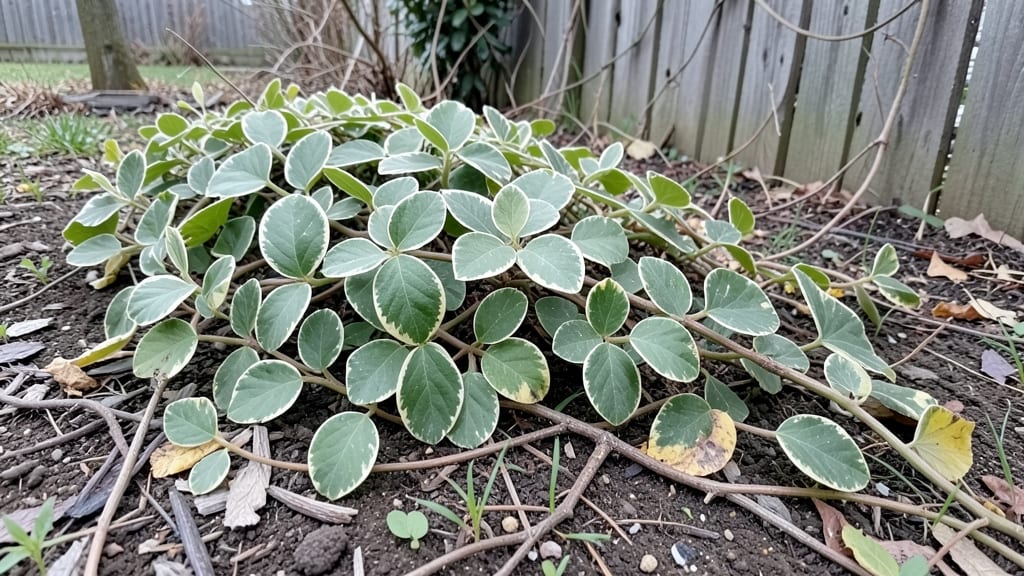
My non-flowering jasmine shrub became the star of my shade garden last year—no blooms needed. 🌿 The secret lies in focusing on its glossy, dark green leaves and sturdy branches that hold up better than flowering types in low-light spots.
Most gardeners overlook these varieties, assuming they’re second-rate, but I’ve grown mine into a 6-foot-tall living wall that stays lush year-round.
These jasmines thrive in partial shade where flowering types struggle, and they demand less fuss with watering. A well-draining soil mix and occasional pruning to shape new growth keeps them compact and vigorous.
Unlike their flowering cousins, they resist powdery mildew better and stay dense even in winter, making them perfect for privacy screens or foundation plantings.
You’ll end up with a shrub that smells like a tropical vacation—even without flowers—thanks to the natural fragrance in the foliage. Pinch back leggy growth in spring to encourage bushier habits, and you’ll have a neighborhood-jealousy plant by summer.
The best part? No deadheading or pest battles that come with showy blooms.
Works equally well in containers or as a hedge, and it adapts to zones 7-9 without extra fuss. Here’s how to coax the most out of your non-blooming jasmine—no flowers required for drama.
Why Jasmine Stays Stubbornly Bloom-Free
If your jasmine shrub is sporting lush green leaves but refusing to burst into fragrant flowers, don’t panic—there’s usually a clear reason behind it. Understanding these causes is the first step to coaxing those sweet blooms into action.
Let’s break down the most common culprits and why they keep your jasmine playing hide-and-seek with its flowers.
Jasmine plants, especially varieties like Jasminum officinale or Jasminum sambac, are light-lovers. When they don’t get enough sunlight, their energy shifts from flowering to leaf production—a survival tactic to maximize photosynthesis. Here’s what’s happening:
- Photosynthesis vs. Flowering: In low light, the plant prioritizes growing leaves to capture whatever sunlight is available, leaving little energy for flower buds.
- Dormancy Trigger: Some jasmine varieties need at least 6–8 hours of direct sunlight daily to trigger flowering hormones (like florigen). Without it, the plant stays in a vegetative state.
- Leaf Color Clue: Pale or yellowing leaves often signal light deprivation, a red flag that your jasmine is struggling to bloom.
Actionable Fix: Move your shrub to a sunnier spot or prune nearby trees/shade structures blocking light. If outdoors, ensure it’s in a location with morning sun and partial afternoon shade (depending on your climate). For container jasmine, rotate the pot weekly to ensure even light exposure.
Watering is a delicate balance for jasmine. Overwatering or underwatering can both sabotage flowering by stressing the plant or disrupting nutrient uptake. Here’s the science:
- Overwatering: Soggy soil cuts off oxygen to roots, leading to root rot and nutrient deficiencies. The plant diverts energy to repairing damaged roots instead of producing flowers.
- Underwatering: Drought stress triggers the plant to conserve water by shedding flower buds or preventing new ones from forming. Jasmine roots are shallow, so they dry out quickly in hot climates.
- Nutrient Leaching: Overwatering flushes out essential minerals (like phosphorus and potassium), which are critical for flower development.
Actionable Fix:
- 💧 Check soil moisture: Stick your finger 2 inches into the soil—water only if it’s dry. Jasmine prefers well-draining soil and hates “wet feet.”
- 🌡️ Adjust for seasons: Water more frequently in summer (when evaporation is high) and reduce in winter (when growth slows).
- ✨ Mulch matters: Apply 2–3 inches of organic mulch (like bark or straw) to retain moisture and regulate soil temperature.
Flowers are energy-intensive to produce, and jasmine needs the right nutrients to pull it off. If your plant is starving for key elements, it’ll focus on leaves instead. Here’s what’s likely missing:
| Nutrient | Role in Flowering | Deficiency Signs |
|---|---|---|
| Phosphorus (P) | Boosts root and flower development; activates enzymes for energy transfer. | Purple or dark green leaves, stunted growth, weak stems. |
| Potassium (K) | Regulates water and nutrient uptake; strengthens cell walls for bud formation. | Yellowing leaf edges (scorching), weak stems, poor disease resistance. |
| Nitrogen (N) – Too Much! | Excess nitrogen promotes leafy growth at the expense of flowers. | Lush, dark green leaves but no blooms; rapid but weak growth. |
Actionable Fix:
- 📊 Test your soil: Use a DIY soil test kit or send a sample to a local extension office to check pH and nutrient levels.
- 🌿 Feed smart: Use a balanced fertilizer (10-10-10 or 5-10-10) in early spring, then switch to a low-nitrogen, high-phosphorus formula (e.g., 3-6-6) when buds form.
- 🍄 Organic boost: Add compost or bone meal (for phosphorus) to the soil in early spring.
Jasmine is a warm-season lover, and extreme temperatures—whether too hot or too cold—can throw its flowering cycle off. Here’s how:
- Cold Snaps: Jasmine needs consistent warmth (above 60°F/15°C) to flower. Sudden cold or frost can shock the plant, causing it to delay or abandon blooming until conditions stabilize.
- Heat Stress: While jasmine thrives in heat, intense summer heat without proper watering can cause the plant to go dormant early, halting flower production.
- Seasonal Cues: Many jasmine varieties are short-day plants, meaning they bloom in response to daylight changes. If your plant isn’t getting the right light duration (e.g., 12+ hours of daylight), it may skip flowering.
Actionable Fix:
- 🌡️ Protect from extremes: In cold climates, plant jasmine in a sheltered spot or use frost cloth. In hot climates, provide afternoon shade.
- ⏰ Simulate seasons: If growing indoors, supplement with a grow light to maintain 12–14 hours of light daily, especially in winter.
- 🌿 Prune strategically: Trim back leggy growth in early spring to encourage bushier, more compact growth, which often leads to better flowering.
Even the most pampered jasmine won’t flower if it’s too young or has been pruned incorrectly. Here’s why:
- Too Young: Most jasmine varieties take 2–3 years to mature enough to produce flowers. If your plant is a sapling, patience is key!
- Over-Pruning: Cutting back too aggressively (especially in late summer or fall) removes next year’s flower buds, which form on old wood.
- Under-Pruning: Letting the plant grow wild can lead to overcrowded branches, reducing air circulation and sunlight penetration to inner buds.
Actionable Fix:
- ⏳ Give it time: If your jasmine is under 3 years old, focus on nurturing strong growth rather than forcing blooms.
- ✂️ Prune at the right time: Trim in early spring (just as new growth starts) to shape the plant and encourage airflow. Avoid heavy pruning after mid-summer.
- 🌿 Encourage bushiness: Pinch back new growth tips in early summer to promote
Revive Your Jasmine’s Blooms Naturally
If your jasmine shrub is refusing to flower, don’t despair—there are simple, effective ways to coax it back to life. Below, we’ve mapped out the most common causes of non-flowering jasmine and the best fixes, along with proactive tips to keep your plant thriving.
Let’s get your fragrant beauty back in full bloom! 🌿✨
Jasmine blooms on new wood, meaning aggressive pruning (especially in late winter or early spring) can strip away next year’s flower buds. If you’ve been trimming too hard, your plant may skip blooming entirely.
How to Fix It:
🔪 Prune Strategically
- Wait until right after flowering (late spring or early summer) to prune.
- Use sharp, clean shears and trim back only 1/3 of the plant’s growth at a time.
- Avoid cutting into old, woody stems—focus on shaping new growth.
🌱 Encourage New Growth
- After pruning, fertilize with a balanced, phosphorus-rich fertilizer (like 10-10-10) to stimulate blooming.
- Water deeply to help roots recover.
Prevention Tips:
✅ Mark the blooming season on your calendar and avoid heavy pruning for 6–8 weeks afterward. ✅ Use hand pruners for precision—avoid hedge trimmers, which can tear stems. ✅ Prune in stages if your shrub is large; never do it all at once.
Jasmine (especially star jasmine or yellow jasmine) thrives in full sun (6+ hours daily). If it’s shaded by trees, buildings, or taller plants, it may produce leaves but skip flowers.
How to Fix It:
☀️ Move or Relocate
- If possible, transplant your jasmine to a sunnier spot in your yard.
- If relocating isn’t an option, thin out nearby foliage to improve light exposure.
💡 Boost Light with Reflective Surfaces
- Place a light-colored wall or mirror behind the plant to reflect extra sunlight.
- Use grow lights (12–14 hours/day) indoors if keeping potted jasmine.
Prevention Tips:
🌞 Plant jasmine where it gets morning sun + afternoon shade (if in hot climates) to avoid leaf scorch. 📏 Space plants 3–5 feet apart to prevent overcrowding, which blocks sunlight. 🌡️ Avoid deep shade—even partial shade can reduce flowering.
Jasmine needs phosphorus (P) and potassium (K) to produce flowers. If your soil lacks these, your plant will focus on leaves instead of blooms.
How to Fix It:
🌱 Fertilize Correctly
- Apply a bloom-boosting fertilizer (high in phosphorus, like 5-10-5 or 7-9-5) in early spring and mid-summer.
- Follow package instructions—over-fertilizing can burn roots!
💧 Use Organic Amendments
- Mix bone meal (for phosphorus) or composted manure into the soil before planting.
- A slow-release granular fertilizer works well for long-term growth.
Prevention Tips:
📊 Test your soil every 2–3 years (use a home kit or lab test) to check nutrient levels. 🍽️ Avoid nitrogen-heavy fertilizers (like lawn fertilizers)—they promote leafy growth but suppress flowers. 🌿 Mulch annually with compost to maintain soil fertility.
Too much or too little water can stress jasmine, leading to missed blooms. Consistency is key!
How to Fix It:
💦 Water Deeply but Infrequently
- Water 1–2 times per week (depending on climate) to encourage deep root growth.
- Aim for 1–1.5 inches of water per week (including rainfall).
- Let the top 2–3 inches of soil dry out between waterings.
🚰 Check for Overwatering
- If soil stays soggy, your plant may develop root rot, which weakens flowering.
- Ensure pots have drainage holes and saucers are emptied after watering.
Prevention Tips:
🌧️ Use drip irrigation or soaker hoses for even moisture (avoids fungal issues from overhead watering). 🕒 Water in the morning to reduce evaporation and fungal risks. 🏡 Group jasmine with drought-tolerant plants to minimize water waste.
Older jasmine shrubs (over 5–7 years) or those with root-bound pots may skip flowering. Overcrowded roots compete for nutrients, leaving little energy for blooms.
How to Fix It:
🌳 Repot or Transplant
- If potted, repot in spring into a container 2–3 inches larger with fresh, well-draining soil.
- If in the ground, dig up and divide the shrub if roots are circling.
🌱 Prune Roots Gently
- When repotting, trim circular or tangled roots with sterilized shears to encourage outward growth.
Prevention Tips:
⏳ Replace mature jasmine every 5–7 years if flowering declines. 📏 Space new plantings 4–6 feet apart to prevent root competition. 🌿 Mulch around the base (2–3 inches) to insulate roots and retain moisture.
With these targeted fixes, your jasmine should bounce back with vibrant blooms in no time! 🌸💐 Remember, patience and consistency are key—give your plant the care it craves, and it’ll reward you with year-round fragrance.
Frequently asked questions
What are the best non-flowering jasmine varieties for shade gardens?
Trachelospermum asiaticum 'Variegatum' and Jasminum officinale 'Aureum' are excellent choices. These varieties focus on lush, glossy foliage with golden or cream variegation, thriving in partial shade where flowering types often struggle. Their dense growth makes them perfect for privacy screens or foundation plantings.
How do I encourage bushier growth in non-flowering jasmine?
Pinch back the tips of new growth in spring to promote branching. Use sharp pruners to trim just above a leaf node, and fertilize with a balanced formula (like 10-10-10) to support vigorous growth. Regular pruning keeps the plant compact and prevents leggy stems.
Can non-flowering jasmine still have fragrance?
Yes! Many non-flowering varieties, like Trachelospermum jasminoides, release a subtle, sweet scent from their leaves, especially when crushed. This makes them ideal for fragrant hedges or container gardens without the need for blooms.
What’s the ideal soil mix for non-flowering jasmine?
Use well-draining soil with a mix of organic matter like compost or peat moss. A blend of 60% garden soil, 30% perlite, and 10% compost works well. Avoid heavy clay, which can suffocate roots and lead to poor growth.
How often should I water non-flowering jasmine?
Water deeply once a week, allowing the top 2 inches of soil to dry out between waterings. In hot climates, increase to twice weekly, but ensure pots have drainage holes to prevent root rot. Mulch helps retain moisture and regulate soil temperature.