
Planting
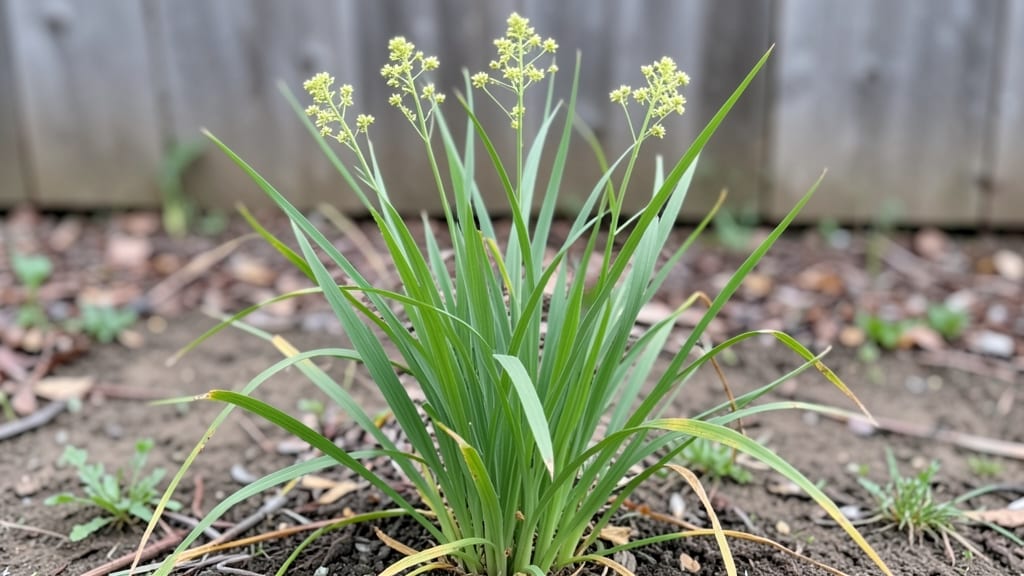
Your lemongrass plant flower might seem like an afterthought, but those delicate plumes mark the plant’s most fragrant—and useful—stage. ✨ I’ve watched my lemongrass send up its first feathery blooms in late summer, and while they’re often pruned away, they’re actually the plant’s secret weapon for flavor and health.
The flowers aren’t just pretty—they pack the most intense citrusy aroma, perfect for infusing oils or teas. Plus, they signal it’s time to harvest the stalks before the plant puts all its energy into seeding.
A well-tended lemongrass will rebloom if you keep conditions right: bright, indirect light, consistently moist (but not soggy) soil, and regular pruning to encourage new growth.
You’ll notice the flowers appear on tall, wiry stems that can reach 3-4 feet—a sure sign your plant is thriving. Snip them back after blooming to redirect energy to the stalks you’ll use in cooking.
The flowers themselves are edible too, adding a bright, floral note to dishes (though they’re often removed before cooking).
Here’s the kicker: those same flowers also attract beneficial insects, making your lemongrass a low-maintenance pest deterrent. With the right care, you’ll get multiple blooms per season—and a plant that keeps giving, year after year.
📚 In This Guide
- What you need
- Instructions
- Tips and common mistakes
- Wrapping up and next steps
What you need
- ● Lemongrass plant: 1–3 healthy Cymbopogon citratus plants (potted or bare-root)
- ● OR fresh lemongrass stalks with roots (for propagation)
- ● Potting mix: 1–2 gallons of well-draining soil blend (e.g., 60% coconut coir, 30% perlite, 10% compost)
- ● Containers: 1–2 pots (10–12 inches deep, with drainage holes) for mature plants
- ○ Optional: 3–4 small nursery pots (4–6 inches) for seedling propagation
- ● Tools: Pruning shears or sharp knife (sterilized with rubbing alcohol)
- ● Garden trowel or small shovel
- ● Watering can with a fine rose nozzle
- ● Spray bottle (for humidity control)
- ● Slow-release fertilizer (e.g., 10-10-10 NPK, 1 tbsp per pot)
- ● Organic mulch (e.g., shredded bark or straw) to retain moisture
- ● Grow lights or sunny windowsill (if indoors)
- ● Humidity tray or pebble tray for tropical conditions
- ● Pest control: Neem oil or insecticidal soap (for aphids/mealybugs)
How to encourage lemongrass to bloom year-round
Lemongrass flowers aren’t just pretty—they’re fragrant and useful. Here’s how to coax those delicate blooms from your plant.
🌱 Step 1: Provide the Right Growing Conditions
Lemongrass thrives in full sun—at least 6-8 hours daily—but it also needs warmth to trigger blooming. Keep your plant in a spot where temperatures stay between 70-90°F. If you're growing indoors near a window, supplement with a grow light for 12-14 hours a day to mimic long summer days.
Use well-draining soil and a pot with drainage holes to prevent soggy roots, which can stress the plant and delay flowering. If your lemongrass is outdoors, choose a sheltered spot—it can’t handle frost or strong winds. You’ll know it’s happy when the stalks grow tall and sturdy with vibrant green leaves.
☀️ Step 2: Boost Sunlight and Airflow Gradually
If your lemongrass has been indoors or in partial shade, move it to brighter conditions slowly—over 1-2 weeks—to avoid sunburn. Start with 2-3 extra hours of light per day, then increase until it’s in full sun. Watch for leaves that perk up and grow upright—that’s your cue it’s adjusting well.
Good airflow is just as important. Place your plant near a fan or open window to prevent humidity buildup, which can lead to fungal issues. You’ll see small white or yellow flower buds forming at the top of the stalks once it’s ready to bloom—this usually happens in late summer or early fall in warmer climates.
💧 Step 3: Water and Fertilize for Flowering
Water your lemongrass deeply once a week, letting the top 2 inches of soil dry out between waterings. Overwatering can drown the roots and stop blooms in their tracks. Stick your finger in the soil—if it feels dry, it’s time to water. Avoid getting water on the leaves to prevent mildew.
Feed your plant with a balanced liquid fertilizer (like 10-10-10) every 4-6 weeks during the growing season. Stop fertilizing once buds appear—too much nitrogen can make the plant focus on leaves instead of flowers. You’ll notice taller stalks and a stronger citrus scent when it’s ready to bloom.
✂️ Step 4: Prune and Support Blooming Stalks
Once flower buds form, trim any dead or yellowing leaves to redirect energy to blooming. Use clean, sharp scissors to make cuts just above a leaf node. Avoid cutting into the woody base—lemongrass regrows from there. You’ll see small clusters of tiny white or lavender flowers emerging from the top of the stalks.
If your lemongrass is tall and leggy, stake it gently with soft ties to prevent bending. The flowers are delicate, so avoid heavy pruning once they open. Let them bloom naturally—they’ll attract pollinators and add a lovely fragrance to your space. After flowering, you can cut back the stalks to encourage new growth.
🌿 Step 5: Extend the Blooming Season
To keep lemongrass blooming year-round, bring it indoors before frost (if growing outdoors) and place it near a sunny window or under grow lights. Reduce watering slightly in winter, but keep the soil slightly moist. You might see fewer blooms in cooler months, but consistent care keeps the plant healthy for next season.
Harvest flowers gently by snipping the stalks just above a leaf node. Dry them in a warm, dark place for 1-2 weeks to preserve their fragrance. With the right conditions, your lemongrass can produce multiple blooms per season, filling your garden with a sweet citrus scent.
Tips & tricks for encouraging lemongrass blooms
Here's what I've learned after watching my lemongrass transform from leafy stalks to fragrant blooms.
Lighting Strategy: The 12-14 hours of grow light in Step 1 is non-negotiable for indoor plants. I use a simple LED grow bulb on a timer—it's the difference between a plant that just survives and one that thrives. Place the light about 6 inches above the plant and adjust as stalks grow taller. If you notice leaves turning yellow or stretching toward the light, you're either not providing enough light or the distance is too far.
Temperature Watch: Those 70-90°F temperatures in Step 1 aren't just suggestions—they're critical for blooming. If your thermostat dips below 70°F at night, consider moving your plant near a heat source or using a small space heater (safely!) during cooler months. I've seen plants that barely bloom in cooler climates suddenly develop buds when moved to a warmer spot.
Watering Wisdom: The once-a-week deep watering in Step 3 works wonders, but there's a trick: water in the morning so excess moisture evaporates before nightfall. I've ruined multiple plants by watering late in the day—soggy leaves overnight leads to fungal issues faster than you'd think. And always check that top 2 inches of soil before watering; that simple finger test prevents overwatering every time.
Pruning Precision: When trimming dead leaves in Step 4, cut at a 45-degree angle just above a leaf node. This tiny detail makes all the difference in how quickly new growth appears. I used to cut straight across, and my plants took forever to recover. Also, never cut into the woody base—lemongrass regrows from those nodes, and you'll stunt future blooms if you damage them.
Pro Tips for Lemongrass Plant Flower
- Here's what I've learned after watching my lemongrass transform from leafy stalks to fragrant blooms.
- Lighting Strategy: The 12-14 hours of grow light in Step 1 is non-negotiable for indoor plants.
- Temperature Watch: Those 70-90°F temperatures in Step 1 aren't just suggestions—they're critical for blooming.
Frequently asked questions
Got questions about growing, harvesting, or caring for your lemongrass plant’s flowers? We’ve got answers!
Here are some of the most common queries—plus tips to keep your fragrant plant thriving.
Do lemongrass plants actually produce flowers?
Yes! While lemongrass (Cymbopogon citratus) is prized for its fragrant stems, it does bloom—though the flowers are small, delicate, and often overlooked. They appear as spiky, feathery plumes in white, purple, or pale pink, usually in late summer or early fall. The flowers are not edible but add a lovely ornamental touch!
How long does it take for lemongrass to flower?
Lemongrass typically takes 6–12 months to flower from seed or transplant, depending on growing conditions. If grown from cuttings, flowering may occur slightly faster (4–8 months). Patience is key—focus on healthy growth first! Pro tip: Ensure full sun (6+ hours/day) and well-draining soil to speed up the process.
Can I eat lemongrass flowers?
No, the flowers are not edible and have a bitter, grassy taste. However, the stems and leaves are the star—packed with citrusy flavor! If you’re craving edible blooms, try citronella (Cymbopogon nardus), a close relative with similar (but non-edible) flowers. For culinary use, stick to the lower 6–8 inches of the stalk for the best flavor.
Why isn’t my lemongrass flowering?
Lemongrass may skip flowering due to lack of sunlight, poor soil, or overcrowding. Check these fixes:
- Move to sunnier spot (lemongrass loves heat!).
- Use well-draining soil (sandy loam works best).
- Space plants 12–18 inches apart for airflow.
- Fertilize lightly with a balanced 10-10-10 mix in spring.
What can I do with lemongrass flowers?
While they’re not for eating, lemongrass flowers add texture and fragrance to:
- Dried arrangements (mix with lavender or eucalyptus).
- Potpourri (steep dried flowers in hot water for a citrusy tea).
- Pollinator gardens (butterflies and bees love them!).
- Photography—their feathery plumes make stunning close-ups!
Wrapping up and next steps
Growing a lemongrass plant with fragrant flowers is a rewarding journey—whether you’re drawn to its citrusy aroma, year-round blooms, or culinary potential. Remember, patience and consistency are key: from selecting the right variety to providing optimal care, each step ensures a thriving plant that delights the senses. 🌿✨
Ready to take the next step? Start small—plant a few stalks in your garden or a sunny windowsill, and soon, you’ll be harvesting fresh lemongrass and admiring its delicate blooms. Happy gardening!