Flowers
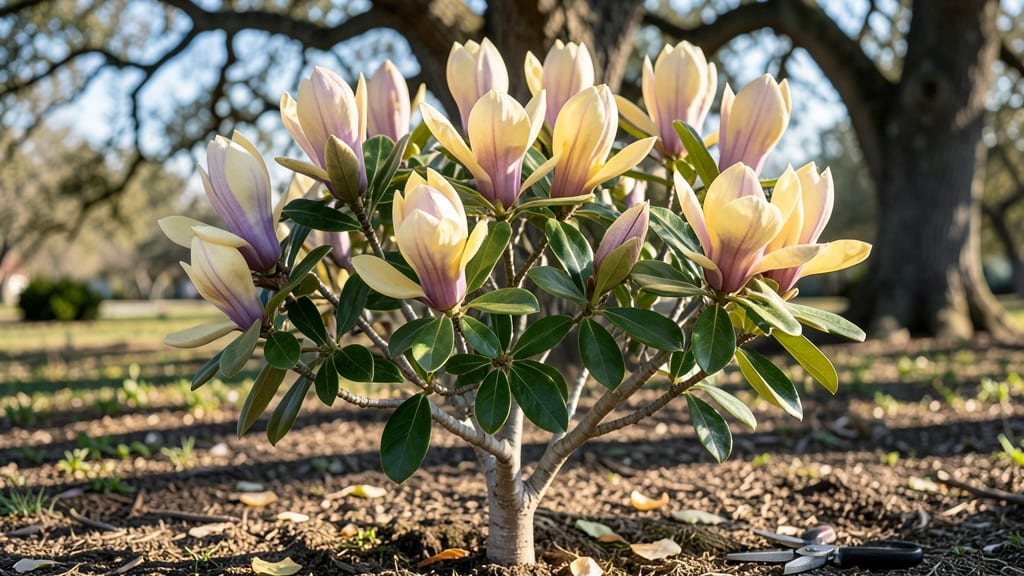
Yellow-flowering magnolias like Magnolia × soulangeana and Magnolia liliiflora turn spring into a sensory explosion—creamy blooms that smell like sunshine and hum with bees. 🌸 I planted mine under a patio awning where the fragrance lingers through morning coffee, and the way they light up the garden when everything else is still dormant?
Unmatched. These aren’t just pretty faces; they’re the backbone of early-season pollinator parties.
The key to making them shine lies in placement and pruning. In cooler climates (zones 4-7), they thrive in morning sun with afternoon shade, while southern gardens can handle full sun if given afternoon relief.
Prune right after flowering—never in fall—because those fat buds form over summer, and you’ll want them bursting with color next spring. My first mistake? Cutting too late and losing half my blooms.
Pair them with blue (salvia or hydrangeas) or purple (clematis or iris) to make the yellow pop, and add white (daphnes or camellias) for contrast. The combination creates a garden that feels like a living painting—especially when magnolias drop their petals in a fragrant carpet.
Plus, deer and rabbits usually leave them alone, which is always a bonus.
They’re not just showstoppers—they’re low-maintenance once established, drought-tolerant once roots spread, and their wood even makes great firewood when pruned back. Perfect for statement-making without the fuss of annuals. Ready to make your spring unforgettable?
Behind The Blooms Golden Shift
If your magnolia’s flowers are turning a soft, unexpected yellow instead of their classic white, pink, or purple, it’s often a sign of nature’s way of communicating stress or changes in its environment.
While magnolias are hardy plants, their vibrant blooms can shift colors due to a mix of biological, environmental, and even human-induced factors. Let’s break down the science behind why your magnolia might be putting on a golden show—and how to address it.
Not all magnolias are created equal! Some species and cultivars naturally produce yellow-tinged blooms as part of their genetic makeup. For example:
- Magnolia × soulangeana ‘Lanarth’ (a hybrid) sometimes exhibits soft yellow hues in its petals, especially when young or in cooler climates.
- Magnolia denudata (Yulan magnolia) may develop yellowish edges or centers as it matures, particularly in response to temperature fluctuations.
- Albinism or chlorophyll mutations can also cause petals to lose pigment, turning pale yellow or white. This is rare but harmless—think of it as a natural oddity!
Actionable tip: If your magnolia has always had a hint of yellow, it might just be its thing. Check seed packets or nursery records to confirm the cultivar’s expected color traits.
Magnolias love shade, but too much—or too little—sunlight can trigger color changes. Here’s how:
- Excessive sunlight: Prolonged exposure to harsh UV rays can bleach pigments in petals, causing them to fade to yellow or pale green. This is common in southern climates where magnolias struggle with intense afternoon sun.
- Heat stress: Temperatures above 90°F (32°C) can disrupt the plant’s metabolic processes, including pigment production. Yellowing blooms may signal the magnolia is struggling to regulate its internal temperature.
- Sunburn: Direct, unfiltered sun can scorch petals, leading to discoloration. Look for crispy edges or a waxy yellow cast—classic signs of sun damage.
Fix it:
- 🌳 Provide dappled shade (e.g., under deciduous trees) to filter sunlight without depriving the plant of light.
- 💦 Increase watering during heatwaves to help the plant cool down (deep watering at the root zone is key).
- 🍂 Mulch with 3–4 inches of organic mulch (like wood chips) to insulate roots and retain moisture.
Water is the lifeblood of magnolias, and imbalances—whether too much or too little—can cause petals to yellow prematurely. Here’s why:
| Issue | Effect on Blooms | How to Fix |
|---|---|---|
| Underwatering | Petals may yellow and crisp at the edges due to dehydration. The plant prioritizes root survival over flower health. | 💧 Water deeply 1–2 times per week (more in extreme heat). Use a soaker hose to avoid wetting leaves. |
| Overwatering | Yellowing can occur if roots suffocate in soggy soil, leading to nutrient deficiencies or fungal stress. | ⚠️ Ensure well-draining soil (amend clay soil with compost or sand). Water only when the top 2 inches of soil are dry. |
| Hard water buildup | Excess minerals (like calcium) can accumulate in soil, preventing nutrient uptake and causing yellowing. | 🧼 Flush soil annually with rainwater or distilled water. Use a chelating agent if mineral buildup is suspected. |
Pro tip: 🌡️ Test your soil’s pH (ideal range: 5.0–6.0 for magnolias). Yellowing can also signal alkaline stress—add peat moss or sulfur to acidify soil if needed.
While magnolias are relatively pest-resistant, a few culprits can turn their blooms yellow before their time:
- Magnolia Scale (Neolecanium cornuparvum): These sap-sucking insects excrete honeydew, which can lead to sooty mold—a black fungus that weakens the plant and causes petals to yellow prematurely.
- Spider Mites: In dry conditions, these tiny pests puncture plant cells, draining chlorophyll and leaving yellow stipples or patches on petals.
- Fungal Infections (e.g., Anthracnose): Overhead watering or humid climates can promote fungal spores, which thrive on magnolia blooms, causing yellowing, browning, and premature drop.
Combat them:
- 🔍 Inspect undersides of leaves and buds for pests. Use a hose spray to dislodge mites or scales.
- 💊 Apply neem oil or insecticidal soap (follow label instructions) for mild infestations.
- 🌿 Prune and dispose of infected blooms to prevent spread. For anthracnose, fungicide treatments (like copper-based sprays) may be necessary.
Magnolias are heavy feeders, and nutrient imbalances can directly impact bloom color. Here’s what to watch for:
- Nitrogen Deficiency: While too little nitrogen causes overall yellowing (especially in leaves), excess nitrogen can lead to pale, yellowish blooms by promoting foliage over flowers.
- Magnesium or Iron Deficiency: These minerals are crucial for chlorophyll production. A lack of them can cause interveinal yellowing (yellowing between leaf veins) that may extend to petals.
- Over-fertilization: Too much fertilizer—especially high in phosphorus or potassium—can burn roots, stressing the plant and causing blooms to yellow or drop early.
Balance the books:
- 📊 Conduct a soil test to identify deficiencies. Amend soil with Epsom salt (for magnesium) or iron chelate as needed.
- 🌿 Use a slow-release, acidic fertilizer (like 10-10-10 or one formulated for azaleas/rhododendrons) in early spring.
- ⚠️ Avoid fertilizing in summer or fall, as new growth is vulnerable to frost or heat stress.
Yellow magnolia blooms aren’t always a cause for alarm—but they are a signal to pay attention. By identifying the root cause (whether it’s genetic,
Reviving Your Blooming Star
When your magnolia’s golden blossoms start looking less than vibrant, don’t panic—there’s always a way to bring them back to their fragrant, show-stopping glory!
Below, we’ve mapped out practical fixes for common issues, from nutrient deficiencies to pest invasions, along with preventive tips to keep your magnolia thriving for years.
Magnolias crave balanced nutrition, and yellowing leaves or sparse blooms often signal a hunger for key nutrients.
🔥 Soil Test & Amend
If your magnolia’s leaves turn pale yellow, it may need more nitrogen (for foliage) or iron/manganese (for chlorophyll).
Start with a simple soil test (available at garden centers) to check pH and nutrient levels. - **👨🍳 Fix: - For acidic soil (pH 5.0–6.0): Mix in composted pine needles or sulfur to lower pH. - For alkaline soil: Add peat moss or elemental sulfur to acidify. - 💡 Pro Tip:* Magnolias love well-draining, slightly acidic soil—never amend without testing!
🥗 Fertilizing for Blooms Yellowing flower buds or stunted growth?
Your magnolia might need a bloom-boosting feed. - **🍳 Fix: - Spring (March–April): Apply a balanced 10-10-10 fertilizer or one high in phosphorus (5-10-10) to encourage flowering. - Fall (September–October): Switch to a slow-release, organic fertilizer (like fish emulsion or bone meal) to support root health. - ⏰ Timing Matters:* Avoid fertilizing in summer heat—it stresses the plant!
Overwatering or poor drainage can turn your magnolia’s leaves yellow and mushy, while underwatering causes crispy, brown edges.
💧 Fixing Water Woes
- **🍳 Fix for Overwatering:
- Improve drainage by amending soil with perlite or sand (20% mix).
- 💡 Pro Tip:* Magnolias hate wet feet—ensure they’re planted on a slight mound with gravel at the base of the hole.
Yellowing leaves can also mean pests or fungal infections are at work.
🔪 Treating Common Magnolia Pests
| Pest/Disease | Signs | 🔥 Fix It Now! |
|---|---|---|
| Magnolia Scale | Sticky residue, yellow leaves | Spray with horticultural oil or neem oil (repeat every 2 weeks). |
| Japanese Beetles | Chewed leaves, skeletonized foliage | Handpick beetles or use milky spore bacteria (organic). |
| Fungal Leaf Spot | Yellow/brown spots with rings | Prune infected leaves, apply copper fungicide, and space plants for airflow. |
- **💡 Prevention:
- Encourage beneficial insects (like ladybugs) with native plants.
- Avoid overhead watering to prevent fungal spread.
Sometimes, poor pruning habits or lack of sunlight stunt your magnolia’s beauty.
✂️ Pruning for Health & Blooms
- 🍳 Fix:
- Remove only:
- Crossing or rubbing branches
- Overly dense growth (thin out to improve airflow)
☀️ Light & Location Love
- 🌡️ Fix for Weak Growth:
- Magnolias need
- Move if needed to a sheltered, bright spot (e.g., near a north-facing wall).
- 💡 Pro Tip:* Young magnolias benefit from dappled shade (like under tall trees).
Keep your magnolia happy and blooming with this simple checklist:
| Season | Task | Why It Matters |
|---|---|---|
| Spring | Fertilize + prune after blooms | Fuels new growth |
| Summer | Mulch + monitor pests | Retains moisture |
| Fall | Water deeply + apply slow-release fertilizer | Preps for winter |
| Winter | Protect young trees from frost | Prevents root damage |
Your magnolia’s golden blooms are worth the effort! With these targeted fixes, you’ll have a fragrant, pollinator-friendly giant stealing the show in your garden for decades. 🌸💛
Frequently asked questions
What’s the best way to plant yellow-flowering magnolias for maximum blooms?
Choose a location with morning sun and afternoon shade—especially in hot climates. Plant in well-draining, slightly acidic soil (pH 5.0–6.0), and amend heavy clay with compost. Water deeply after planting, then mulch with 3–4 inches of wood chips to retain moisture and protect roots.
Why are my magnolia’s yellow flowers fading faster than usual?
Fading yellow blooms often signal heat stress (above 90°F) or underwatering. Increase shade during peak sun hours and water at the root zone (not leaves) to keep petals vibrant. Over-fertilizing with nitrogen can also weaken blooms—stick to phosphorus-rich fertilizer in spring.
Can I grow yellow magnolias in containers? How big should the pot be?
Yes! Use a minimum 20-gallon container with drainage holes and acidic potting mix. Dwarf varieties like Magnolia liliiflora adapt best. Repot every 2–3 years and move indoors if temperatures drop below 10°F. Containers dry out faster—water 2–3 times per week in summer.
What plants pair beautifully with yellow magnolias for a spring garden?
For a stunning contrast, pair with blue salvia, purple clematis, or white daphne. Add heuchera (coral bells) for texture and ferns for shade-loving companions. Avoid overpowering plants—magnolias thrive as the focal point in a semi-shaded border.
How do I protect my magnolia from pests like spider mites or scale?
Start with preventive care: Keep the area around the tree clean and mulched. For pests, spray with neem oil (repeat weekly) or horticultural oil in early spring before new growth appears. Introduce beneficial insects like ladybugs to control mites naturally.