Planting
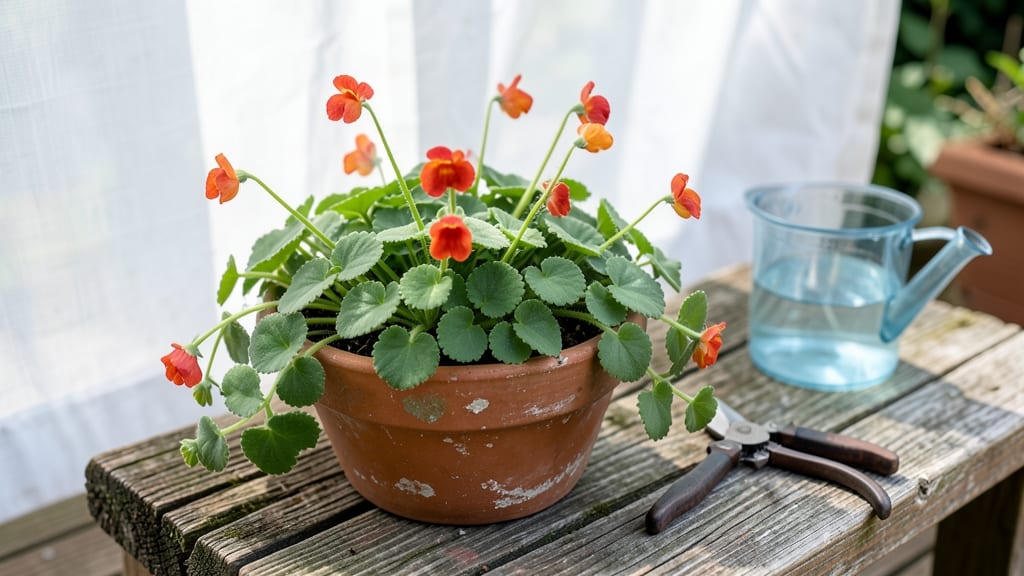
This tiny red flowers plant with its fragrant purple canopy isn’t just a dream—it’s a shade garden game-changer. 🌿 I’ve grown these delicate bloomers in my own low-light spots, and they transform dull corners into vibrant pockets of color.
The secret lies in choosing the right varieties, like Calibrachoa or certain Impatiens, that thrive where sunlight struggles.
These plants need well-draining soil and consistent moisture, but they’re surprisingly low-maintenance once established. A morning misting keeps their tiny blooms perky, and they’ll reward you with weeks of color from spring through fall.
The best part? Their sweet fragrance lingers in the air, making even the shadiest spots feel alive.
Imagine a lush border where every stem bursts with clusters of ruby-red blooms, or a container overflowing with cascading flowers that attract hummingbirds. With the right care, you’ll create a living tapestry that brightens even the darkest corners of your garden. Let’s get those tiny red flowers thriving!
Whether you’re filling a window box or a shady patio corner, these plants adapt beautifully. Just avoid soggy soil and watch them flourish—no fancy tricks required. Ready to bring color to the shadows?
📚 In This Guide
- What you need
- Instructions
- Tips and common mistakes
- Wrapping up and next steps
What you need
- ● Plant: 1–3 Tiny Red Flowers Plant (e.g., Heuchera, Heucherella, or Mitella diphylla—check labels for shade tolerance)
- ○ Seedlings (optional): 5–10 seeds if starting from scratch (soak overnight for better germination)
- ● Soil: 1–2 bags (10–15 lbs each) of well-draining, moist, acidic soil mix (pH 5.5–6.5). Amend with peat moss or compost for extra nutrients.
- ● Container or Garden Bed: Containers: 1–2 10–12 inch pots with drainage holes (terracotta or fabric pots preferred)
- ● Garden Bed: A 6–12 inch deep area with partial to full shade (4+ hours of dappled light daily)
- ● Garden Gloves (1 pair, nitrile-coated for grip)
- ● Trowel or Hand Shovel (for transplanting seedlings)
- ● Watering Can or Hose with Nozzle (gentle spray setting for delicate foliage)
- ● Mulch (1–2 bags of pine bark or shredded leaves to retain moisture)
- ○ pH Test Kit (optional) (to verify soil acidity)
- ○ Slow-Release Fertilizer (optional) (e.g., 10-10-10 NPK, 1 tbsp per plant)
- ● ✅ Location: Test your garden’s shade levels (use a light meter app if unsure). Tiny red flowers thrive in dappled or filtered shade.
- ● ✅ Timing: Plant in early spring or fall (avoid extreme heat or frost).
- ● ✅ Water Access: Ensure a drip irrigation system or consistent watering schedule (these plants love moisture but hate soggy roots!).
Step-by-step guide to cultivating a fragrant purple canopy in shade
Here's how to transform shady corners into fragrant, vibrant displays with minimal fuss.
🌱 Step 1: Select the Right Shade-Loving Varieties
For a fragrant purple canopy, focus on heuchera (coral bells), heliotrope, or impatiens—all thrive in partial to full shade and produce delicate red-purple blooms. I prefer heuchera 'Berry Smoothie' for its deep burgundy foliage and airy clusters of tiny red flowers that last all season. Check your shade levels: dappled sunlight works best for full fragrance development.
Start with 4-6 plants spaced 12-18 inches apart—this creates that lush, layered look without overcrowding. If your shade is deep and dark, opt for heliotrope varieties like 'Marine' or 'Lavender'—they tolerate lower light better and release their sweetest scent in the evening. Avoid placing them where afternoon sun might scorch leaves, even briefly.
🪴 Step 2: Prepare Soil and Plant for Optimal Growth
Amend your native soil with 2-3 inches of compost and 1 part perlite to improve drainage—shade plants rot easily if their roots sit in soggy soil. I mix in a slow-release fertilizer (like 10-10-10) at planting time to give them a nutrient boost without burning tender roots. For containers, use a well-draining potting mix with added peat moss to retain moisture without compacting.
Dig holes twice as wide as the root ball but only as deep—planting too deep suffocates stems. Gently tease apart roots if they're circling, then backfill with soil, pressing lightly to eliminate air pockets. Water deeply until moisture reaches 6 inches down, but avoid puddling. Mulch with 2 inches of shredded bark to conserve soil moisture and suppress weeds—this is especially critical in shady spots where grass won't grow.
☀️ Step 3: Manage Light and Water for Continuous Blooms
Shade plants won't tolerate wilting, so water deeply every 3-4 days until the top 2 inches of soil feel dry. I use a moisture meter to check—if it reads below 40%, it's time to water. In hot, humid climates, increase frequency to every 2 days to prevent fungal issues. Morning watering is best: it lets foliage dry before evening, reducing mildew risk.
If your shade garden gets no direct sun, supplement with a grow light for 4-6 hours daily during spring and fall to encourage flowering. Place lights 12-18 inches above plants—too close burns leaves, too far weakens stems. You'll see healthier foliage and more abundant blooms within 3-4 weeks of consistent light exposure. Rotate pots weekly to prevent leaning toward the light source.
✂️ Step 4: Prune and Maintain for Year-Round Fragrance
Deadhead spent blooms every 2 weeks to redirect energy into new flowers. I use clean, sharp pruners and snip just above the next set of leaves—this encourages bushier growth. For heuchera, trim back 1/3 of the oldest stems in early spring to make room for fresh growth. Avoid cutting into woody stems, as they won’t regenerate.
Fertilize lightly every 6 weeks with a balanced liquid feed (like 5-5-5) diluted to half strength. Overfeeding in shade leads to leafy growth at the expense of flowers. In fall, reduce watering by half and stop fertilizing entirely—this helps plants harden off for winter. If using containers, move them to a sheltered spot before first frost to extend the season.
🌿 Step 5: Extend the Season with Simple Tricks
To keep your purple canopy blooming into fall, cover plants with frost cloth on mild nights (above 32°F). This traps warmth without smothering foliage. I also mulch deeper (3-4 inches) in late fall to insulate roots—heuchera and heliotrope often survive winter with protection, then burst back in spring.
For potted plants, bring indoors before consistent freezing and place near a bright, cool window (50-60°F). Reduce watering to every 7-10 days—overwatering in dormancy causes root rot. Prune back brown or damaged stems in early spring, then resume regular care. You’ll see new growth within 3-4 weeks, proving your plants are ready for another season of fragrance.
Tips & tricks for cultivating a fragrant purple canopy
Here's what I've learned after years of perfecting shade gardens that burst with color and fragrance.
Variety Selection: When choosing between heuchera, heliotrope, and impatiens, consider your shade intensity. For deep shade, heliotrope varieties like 'Marine' will reward you with the most intense evening fragrance. I've found that planting heuchera 'Berry Smoothie' alongside heliotrope 'Lavender' creates the perfect layered effect—purple foliage with red-purple blooms that complement each other beautifully. The key is spacing them 12-18 inches apart to allow airflow, which prevents fungal issues that plague crowded shade plants.
Soil Preparation: The difference between thriving shade plants and struggling ones often comes down to soil preparation. I can't stress enough how important that 2-3 inches of compost and 1 part perlite are—this combination prevents the waterlogged conditions that cause root rot. For containers, I've had great success with a mix of well-draining potting soil and orchid bark, which mimics the airy conditions these plants prefer. When planting, resist the urge to bury the stems too deeply; just as deep as the root ball ensures proper air circulation at the base.
Light Supplementation: That 4-6 hours of grow light during spring and fall makes all the difference for plants in no-direct-sun conditions. I position my lights 15-18 inches above the plants and use cool-white LEDs, which mimic natural sunlight without generating excessive heat. The secret to even growth is rotating the containers quarter-turn weekly—this prevents the plants from leaning toward the light source. You'll notice within 3-4 weeks that the foliage becomes fuller and the blooms more abundant, even in the darkest corners.
Season Extension: Don't let the first frost signal the end of your purple canopy. I've successfully kept heliotrope blooming until Thanksgiving by using frost cloth on nights above 32°F—it traps just enough warmth without smothering the plants. For winter survival, I double the mulch to 3-4 inches in late fall, which acts like an insulating blanket for the roots. When bringing potted plants indoors, I place them near a bright, cool window (50-60°F) and reduce watering to every 7-10 days—this mimics their natural dormancy period and prevents root rot.
Pro Tips for Tiny Red Flowers Plant
- Here's what I've learned after years of perfecting shade gardens that burst with color and fragrance.
- Variety Selection: When choosing between heuchera, heliotrope, and impatiens, consider your shade intensity. For deep...
- Soil Preparation: The difference between thriving shade plants and struggling ones often comes down to soil preparati...
Frequently asked questions
Got questions about tiny red flowers?
You’re not alone! Here are some of the most common queries—and their easy answers—to help you grow a stunning shade garden with confidence.
What are the best tiny red flowers for shade gardens?
Look for shade-tolerant varieties like Heuchera (Coral Bells), Impatiens (Busy Lizzie), or Lobelia. These thrive in low light and produce delicate red blooms. For a fragrant twist, try Dianthus or Sweet Alyssum—both love partial shade and add a sweet scent!
How long does it take for tiny red flowers to bloom after planting?
Most tiny red flowers bloom within 6–8 weeks of planting, but timing depends on the variety. Impatiens and Lobelia often flower faster (4–6 weeks), while Heuchera may take longer (8–10 weeks) to show off its vibrant colors. Patience pays off—consistent watering and well-draining soil speed up the process!
Can tiny red flowers survive in full shade?
Some varieties, like Impatiens and Fuchsia, thrive in full shade, while others (e.g., Dianthus) prefer partial shade. Check your plant’s light needs—most tiny red flowers need at least 4–6 hours of dappled sunlight daily. If your garden is pitch-black, opt for shade-loving Heuchera or Bleeding Heart for bold red foliage!
Why aren’t my tiny red flowers blooming?
Lack of blooms often means too much shade, over-fertilizing (focus on bloom boosters like low-nitrogen fertilizer), or poor watering. Deadhead spent blooms to encourage new growth, and ensure your plant gets consistent moisture (not soggy soil). If the issue persists, check for pests like aphids or fungal issues—soapy water sprays can help!
What’s a great alternative if I can’t find tiny red flowers?
No red flowers in stock? Try white or pink Impatiens for a soft contrast, Caladiums (for bold red foliage), or Begonias (which come in fiery reds and thrive in shade). For height, Astilbe or Hosta with red-tinged leaves add drama without the blooms!
Wrapping up and next steps
Adding a tiny red flowers plant like the fragrant Purple Canopy to your shade garden is a game-changer!
These delicate blooms bring color, texture, and a soothing aroma while thriving in low-light spots—perfect for transforming dull corners into vibrant retreats. 🌿✨ Whether you’re a seasoned gardener or just starting, their low-maintenance charm makes them an easy and rewarding choice.
Ready to elevate your garden? Grab your supplies, follow the steps, and watch your shade garden bloom with effortless beauty. Start small, dream big—your garden’s next masterpiece awaits!