
Trees
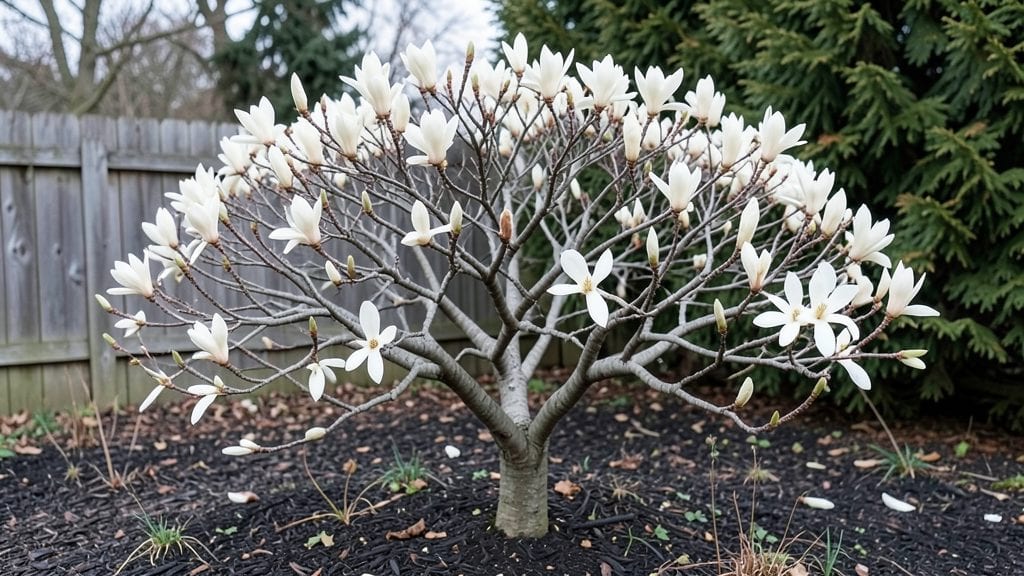
Flowering trees that drop their leaves still pack a punch with stunning blooms—like Cornus sericea or Hibiscus syriacus—and I’ve learned which ones deliver year-round drama without the fuss. 🌿 The key isn’t hiding their seasonal cycle but celebrating it: their bare branches become canvases for vibrant flowers, while their roots stay hardy through winter.
These trees thrive where others falter, turning "naked" into a bold statement.
They love sunlight but adapt to partial shade, and their soil needs are surprisingly forgiving—just avoid heavy clay without amending it first. Watering’s the real secret: give them a deep drink when the top inch of soil feels dry, then let them settle.
Pruning’s simple too—just shape in late winter before buds swell, and you’ll encourage those showstopping blooms.
Imagine your yard in spring with clusters of pink or white flowers against bare branches, then summer’s lush foliage, and fall’s fiery hues—all while winter’s stark beauty remains elegant. These trees grow fast too, reaching maturity in just a few years, so you won’t wait decades for impact.
Perfect for small yards, containers, or as focal points in larger gardens. Here’s how to pick the right variety for your climate and style—no green thumb required, just a little patience and the right spot.
Root Causes Behind Bare Branches
Seeing a once-vibrant flower tree standing bare can feel like a mystery—especially when it’s not winter. The truth is, several factors can strip a tree of its leaves, and understanding them is the first step to restoring its beauty.
Below, we break down the most common reasons why your flower tree might be leaving its branches exposed, along with the science behind each cause.
Flower trees, especially those adapted to specific climates, can shed leaves abruptly when temperatures swing too far outside their comfort zone. This isn’t just about cold—heat stress or rapid temperature changes (like a sudden frost after a warm spell) can trigger leaf drop as a survival mechanism.
- How it works: Cells in the leaf petiole (the stem connecting the leaf to the branch) produce abscisic acid, a hormone that signals the leaf to detach. This is the tree’s way of conserving water and energy when conditions are harsh.
- Actionable fix:
- Choose climate-matched varieties—research your tree’s native range (e.g., Crape Myrtle thrives in heat, while Japanese Maple prefers cooler climates).
- Use mulch (2–4 inches of wood chips or straw) to regulate soil temperature and protect roots.
- In frost-prone areas, cover young trees with frost cloth at night during sudden cold snaps.
Water stress—whether from drought or overwatering—is a top culprit for leaf loss. Trees can’t photosynthesize without water, and their bodies react by shedding leaves to prioritize root health.
| Issue | Signs | Solution |
|---|---|---|
| Underwatering |
|
|
| Overwatering |
|
|
Pro tip: 💡 Mulch retains moisture and regulates temperature, reducing both over- and under-watering risks. Just keep it 3–4 inches away from the trunk to avoid rot.
Insects and diseases don’t just nibble—they can devour leaves entirely, leaving your tree looking like a skeleton. Common culprits include:
- Spider Mites: Tiny, web-spinning pests that suck sap, causing leaves to yellow and drop.
- Aphids: Cluster in leaf curls, excreting sticky honeydew that attracts sooty mold.
- Scale Insects: Armored pests that drain nutrients, leading to premature leaf fall.
- Fungal Diseases (e.g., Anthracnose): Create brown spots that expand, killing foliage.
How to act:
- 🔍 Inspect leaves under a magnifying glass for eggs, webbing, or discoloration.
- 💦 Blast off pests with a strong stream of water (early morning works best).
- 🌿 Apply neem oil or insecticidal soap (follow label rates) for organic control.
- 🌱 Prune infected branches 6+ inches below damage to stop spread.
Leaves are the tree’s food factories, and without proper nutrients, they’ll fall off to conserve energy. Deficiencies in nitrogen, magnesium, or iron often show up as leaf loss, especially in fast-growing or flower-heavy trees.
| Nutrient | Deficiency Signs | Fix It With |
|---|---|---|
| Nitrogen (N) | Yellowing between leaf veins (older leaves first). | Balanced slow-release fertilizer (e.g., 10-10-10) in spring. |
| Magnesium (Mg) | Yellow patches between veins (like nitrogen), but older leaves only. | Epsom salt solution (1 tbsp per gallon of water, applied every 2 weeks). |
| Iron (Fe) | Young leaves turn white or pale yellow (chlorosis). | Chelated iron supplement or acidify soil (sulfur or pine needles). |
Pro tip: 🌡️ Soil tests (available at garden centers) reveal exact deficiencies—don’t guess! Over-fertilizing can burn roots, worsening the problem.
Even mature trees can shed leaves after being moved, pruned aggressively, or damaged by construction/soil compaction. The stress disrupts the tree’s ability to transport water and nutrients, leading to rapid defoliation.
- How it happens:
- Root circumference is cut during transplanting, reducing water uptake.
- Soil compaction (from foot traffic or heavy machinery) strangles roots.
- Over-pruning removes too much foliage, increasing transpiration stress.
- Recovery steps:
- 🌿 Aerate compacted soil with a garden fork or core aerator.
- ✂️ Avoid heavy pruning for 6–12 months post-transplant.
- 💧 Deep-water weekly for the first year to help roots establish.
Revive Your Bare Flower Tree
If your once-lush flower tree now stands bare, don’t panic—there’s hope! The right care can bring it back to life, whether the issue is seasonal, environmental, or health-related. Below, we’ve mapped out practical solutions for the most common causes, along with prevention tips to keep your tree thriving year-round.
A flower tree without leaves may be starving for essential nutrients. Soil depletion or poor feeding can leave branches bare and weak.
How to Fix It
🔥 Test Your Soil 🧪 Start by checking soil pH and nutrient levels with a DIY soil test kit (available at garden centers). Most flowering trees prefer slightly acidic to neutral soil (pH 6.0–7.0).
🍳 Apply a Balanced Fertilizer 🌿
- Use a slow-release, granular fertilizer (like 10-10-10 or 20-20-20) in early spring.
- For quick results, opt for a liquid bloom booster (high in phosphorus for flowers).
- Follow package instructions—over-fertilizing can burn roots!
👨🍳 Use Organic Amendments 🍄
- Mix compost or well-rotted manure into the top 6 inches of soil.
- Add worm castings for a gentle nutrient boost.
- Mulch with organic matter (wood chips, straw) to retain moisture and improve soil health.
💡 Pro Tip: If your tree is newly planted, wait 3–6 months before fertilizing to avoid shocking the roots.
Flower trees are sensitive to water stress—both drought and soggy soil can cause leaf drop and bare branches.
How to Fix It
🔥 Check Soil Moisture 💧 Stick your finger 2–3 inches deep into the soil. If it’s dry, water deeply. If it’s muddy or waterlogged, hold off until it drains.
🍳 Water Deeply, Not Frequently 🌊
- Deep watering (1–2 times per week) encourages strong root growth.
- Avoid shallow watering—this only wets the surface and promotes weak roots.
- Use a soaker hose or drip irrigation for even distribution.
👨🍳 Improve Drainage 🏗️
- If your tree is in clay soil, amend with sand or perlite to improve aeration.
- Raise the soil level slightly around the base (mound soil) to prevent water pooling.
- Avoid planting in low spots where water collects.
✨ Signs of Overwatering:
- Yellowing leaves
- Mushy stems
- Foul-smelling soil
Flower trees need the right balance of sunlight—too much scorches leaves, while too little weakens growth.
How to Fix It
🔥 Identify Your Tree’s Needs 🌞
- Full sun lovers (e.g., Crape Myrtle, Jacaranda): Need 6+ hours of direct sun.
- Partial shade lovers (e.g., Dogwood, Magnolia): Prefer morning sun + afternoon shade.
- Full shade trees (e.g., some Azaleas): Thrive in dappled or filtered light.
🍳 Provide Temporary Shade 🌳
- If leaves are bleached or crispy, move potted trees to a shadier spot for a few weeks.
- Use lightweight shade cloth (30–50%) if full sun is unavoidable.
👨🍳 Prune Overhanging Branches ⏰
- Trim branches from nearby trees or structures that block sunlight.
- Best time to prune: Late winter or early spring (before new growth).
💡 Pro Tip: If your tree is newly planted, gradually introduce it to full sun over 2–3 weeks to avoid shock.
Pests like aphids, spider mites, or borers can strip leaves and weaken trees. Fungal diseases (like powdery mildew) also cause bare patches.
How to Fix It
🔥 Inspect for Pests 🔍
- Look for:
- Sticky residue (honeydew) → Aphids or scale
- Webbing → Spider mites
- Sawdust-like frass → Borers
🍳 Use Natural Remedies First 🍋
- Neem oil spray (mix 1 tbsp neem oil + 1 tsp mild soap + 1 quart water) – kills soft-bodied pests.
- Insecticidal soap (spray directly on pests).
- Horticultural oil (for scale and mites).
👨🍳 Fight Fungal Diseases 🍄
- Prune infected branches (sterilize tools with rubbing alcohol).
- Apply copper fungicide (follow label instructions).
- Improve airflow by thinning dense foliage.
✨ Prevention Tips:
- Water at the base (avoid wetting leaves to prevent fungus).
- Clean up fallen leaves (they harbor pests and diseases).
- Mulch properly (3–4 inches deep, but not touching the trunk).
Extreme heat, cold, or wind can cause leaf drop and dormancy-like states in flower trees.
How to Fix It
🔥 Shelter from Harsh Conditions 🏠
- For cold snaps: Wrap the trunk with burlap and mulch the base (but keep mulch 6+ inches from the trunk).
- For wind: Plant near a windbreak (fence, hedge, or other trees).
- For heat: Provide afternoon shade with lightweight shade cloth.
🍳 Adjust Watering in Extreme Weather 🌡️
- Drought: Water deeply every 2–3 days (early morning).
- After heavy rain: Let soil dry slightly before watering again.
- Winter: Reduce watering (unless in a container, then keep soil slightly moist).
💡 Pro Tip: Mulch in late fall to insulate roots during winter and retain moisture in summer.
Once your tree is revived, consistent care keeps it lush and flowering year-round.
✅ Fertilize Seasonally:
- Spring: Balanced fertilizer for growth.
- Summer (before blooming): High-phosphorus fertilizer for flowers.
- Fall: Light feeding to strengthen roots for winter.
✅ Prune Strategically:
- Dead or crossing branches → Remove in late winter/early spring.
- Shape lightly after flowering to encourage new blooms.
✅ Monitor & Adapt:
- Rotate potted trees occasionally for even sunlight.
- Adjust care based on seasonal changes (e.g., more water in summer, less in winter).
By addressing the root cause (literally!) and following these simple, actionable steps, your flower tree can bounce back—and stay vibrant and blooming for seasons to come. 🌸✨
Frequently asked questions
What are the best flowering trees that naturally lose leaves?
Look for deciduous varieties like Cornus sericea (Red Osier Dogwood) or Hibiscus syriacus (Rose of Sharon). These bloom beautifully on bare branches in early spring, then regrow leaves. Other standouts include Hamamelis (Witch Hazel) and Prunus serrulata (Japanese Cherry), which offer stunning winter-to-spring flowers.
Can I grow a leaf-less flowering tree in a container?
Compact varieties like Dwarf Crape Myrtle or Potted Japanese Maple thrive in containers. Use well-draining soil and a pot with drainage holes. Just ensure the container is large enough (at least 18 inches wide) and move it outdoors in spring/summer for optimal blooms.
Why does my flowering tree drop leaves even when it's not winter?
Common causes include water stress (over/under-watering), nutrient deficiencies, or pests like spider mites. Check soil moisture and inspect leaves for signs of pests. A balanced fertilizer in spring often helps restore health.
How do I encourage more blooms on a bare-branched tree?
Prune lightly in late winter to remove dead wood, then fertilize with a high-phosphorus blend in early spring. Avoid heavy pruning—it reduces next year's flowers. Most flowering trees bloom on new wood, so don't cut back too aggressively.
Are there any toxic varieties I should avoid?
Yes! Oleander and Boxwood (when leafless) can be toxic if ingested. Stick to non-toxic options like Dogwood or Serviceberry. Always research before planting, especially if you have pets or kids.