
Shrubs
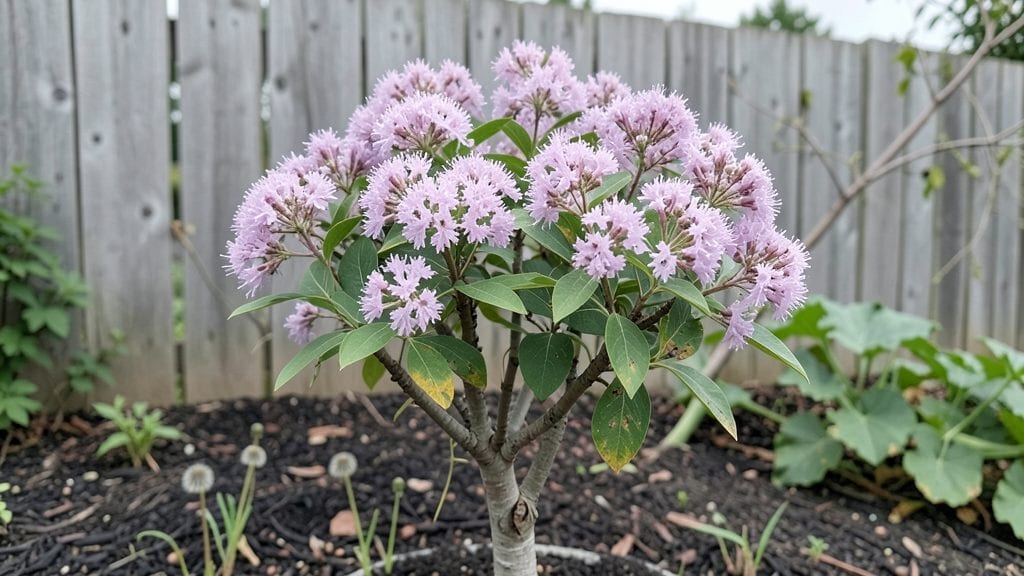
Growing flowering crape myrtle transforms any yard into a summer-long spectacle with vibrant blooms that last from June through frost. 🌟 I planted mine three years ago, and every June, the purple-pink flowers explode along the branches—no deadheading required.
The key is matching its needs to your climate, and once you do, it rewards you with minimal effort.
The secret to happy crape myrtles lies in well-draining soil and full sun—at least six hours daily. They tolerate heat and drought once established, but young plants need consistent moisture for the first year.
Spacing matters too: give mature varieties 10 to 15 feet between plants to prevent overcrowding and improve airflow. The right spot means fewer pruning headaches and bigger blooms.
Pruning feels intimidating, but it’s simpler than you think: cut back one-third of last year’s growth in late winter, and remove any crossing branches. This keeps the tree strong and encourages those showstopping flower clusters.
By summer, you’ll have a tree that looks like it belongs in a botanical garden—with almost no upkeep. The foliage even turns fiery red in fall, extending the show.
Works in zones 5 through 9, from city sidewalks to rural landscapes. Whether you’re a beginner or refining your skills, crape myrtles deliver year-round interest with almost no fuss. Let’s get yours thriving!
📚 In This Guide
- What you need
- Instructions
- Tips and common mistakes
- Wrapping up and next steps
What you need
- ● Flowering crape myrtle plants: 1–3 bare-root or container-grown plants (choose disease-resistant varieties like Lagerstroemia indica or Lagerstroemia 'Natchez' for vibrant blooms).
- ● Well-draining soil: Mix equal parts native soil, compost, and coarse sand or perlite (aim for a pH of 5.5–6.5).
- ● Organic mulch: 2–3 inches of pine straw, wood chips, or shredded bark (helps retain moisture and suppress weeds).
- ● Slow-release fertilizer: 10-10-10 or a balanced organic option (apply at planting and again in early spring).
- ● Garden trowel or shovel (for digging planting holes).
- ● Pruning shears (sharp, bypass-style for clean cuts).
- ● Gloves (heavy-duty for protection during planting/pruning).
- ● Watering can or hose with a gentle spray nozzle (for post-planting hydration).
- ● Measuring tape or ruler (to ensure proper spacing—3–6 feet apart for mature size).
- ● Soil test kit (to check nutrient levels before planting).
- ● Epsom salt (magnesium sulfate for vibrant blooms—sprinkle lightly around the base in spring).
- ● Stakes or plant supports (for young trees in windy areas).
- ● Drip irrigation system (automates watering for drought-prone regions).
- ● Fungicide (copper-based) (preventative treatment if your area has fungal risks).
Step-by-step guide for planting and maintaining flowering crape myrtles
Here's how to establish crape myrtles that thrive with minimal fuss and reward you with bold blooms season after season.
🌱 Step 1: Select and Prepare the Planting Site
Crape myrtles adore full sun—choose a location receiving at least 6-8 hours of direct sunlight daily. They tolerate a range of soil types but perform best in well-draining soil with a pH between 6.0 and 7.0. If your soil is heavy clay, amend it with 2-3 inches of compost mixed into the top 12 inches of soil to improve drainage and aeration.
Dig a hole twice as wide as the root ball but no deeper. The top of the root ball should sit 1-2 inches above ground level—this prevents waterlogging and encourages strong root growth. If planting multiple trees, space them 6-10 feet apart to allow for mature growth while maintaining airflow between plants.
🪴 Step 2: Plant and Water Thoroughly
Gently remove the tree from its container and loosen any circling roots with your fingers. Place the crape myrtle in the hole, ensuring the root flare (where roots meet the trunk) is visible above the soil line. Backfill with the native soil, tamping lightly every 4 inches to eliminate air pockets without compacting the roots.
Water deeply immediately after planting—10-15 gallons for each tree—to settle the soil and eliminate air gaps. The soil should be moist 6-12 inches deep after watering. Mulch around the base with 2-3 inches of organic mulch, keeping it 3-4 inches away from the trunk to prevent rot. This conserves moisture and regulates soil temperature.
☀️ Step 3: Provide Seasonal Care for Year-Round Health
During the first growing season, water 1-2 times per week to encourage deep root establishment, adjusting for rainfall. Once established, crape myrtles are drought-tolerant but produce best with deep watering every 1-2 weeks during dry spells. Avoid overhead watering to prevent fungal diseases—direct water at the base instead.
Fertilize lightly in early spring with a balanced, slow-release fertilizer (10-10-10) applied at half the recommended rate. Over-fertilizing promotes excessive foliage growth at the expense of flowers. Prune only to remove dead or crossing branches—never "top" the tree, as this encourages weak, leggy growth and reduces flowering.
✂️ Step 4: Prune Strategically for Optimal Blooms
The key to crape myrtle pruning is patience. Prune only late winter or early spring before new growth begins. Remove dead, diseased, or weak branches at the base, and thin out crowded branches to improve airflow. Avoid "crape murder"—the practice of shearing trees into unnatural shapes—which weakens the plant and reduces flowering.
Watch for sucker growth at the base of the tree and remove it promptly to direct energy upward. Mature trees may need occasional structural pruning, but resist the urge to prune more than 25% of the canopy in a single season. Healthy crape myrtles bloom prolifically on new wood, so minimal pruning yields the best results.
⏰ Step 5: Prepare for Winter and Encourage Next Year's Blooms
Crape myrtles are generally cold-hardy but benefit from light winter protection in colder climates. Apply a 2-3 inch layer of mulch around the base in late fall to insulate roots. Remove old flower clusters in late winter to encourage fresh growth—this signals the tree to focus energy on producing new blooms rather than seeding.
Monitor for pests like aphids or scale, which can stress the tree. A strong crape myrtle with proper spacing and minimal pruning rarely faces serious issues. With consistent care, your tree will reward you with vibrant blooms from mid-summer to fall, making it a standout feature in any landscape.
Tips & tricks for perfect crape myrtle planting and maintenance
These insider tricks will help you avoid common pitfalls and maximize the stunning blooms your crape myrtle deserves.
Sunlight Strategy: That 6-8 hours of daily sunlight is non-negotiable for vibrant blooms. If your yard has partial shade, position the tree where it gets maximum morning sun. I've seen crape myrtles struggle in afternoon shade—those late-day rays are crucial for photosynthesis and flower production. Consider nearby structures or trees that might cast shadows during peak sunlight hours.
Root Ball Positioning: The 1-2 inches above ground level for the root ball is critical—it prevents waterlogging while encouraging strong root development. I learned this the hard way after planting too deeply and watching roots suffocate. Use a level to ensure proper positioning, and never mound soil around the trunk after planting. This creates a moisture trap that leads to rot.
Watering Wisdom: Those 10-15 gallons immediately after planting aren't just for show—they're essential for eliminating air pockets around the roots. After planting, I like to use a garden hose with a gentle spray setting to slowly water the entire hole area until water runs out the bottom. This ensures complete saturation without disturbing the newly placed tree.
Pruning Precision: When pruning in late winter or early spring, focus on removing branches at their point of origin rather than cutting back to stubs. This clean cut prevents disease entry points. I also recommend using sharp pruning shears—dull blades crush stems and create larger wounds. Remember, the 25% canopy rule is your safety net for maintaining tree health while encouraging prolific blooming.
Pro Tips for Flowering Crape Myrtle
- These insider tricks will help you avoid common pitfalls and maximize the stunning blooms your crape myrtle deserves.
- Sunlight Strategy: That 6-8 hours of daily sunlight is non-negotiable for vibrant blooms.
- Root Ball Positioning: The 1-2 inches above ground level for the root ball is critical—it prevents waterlogging while encouraging strong root development.
Frequently asked questions
Got questions about keeping your flowering crape myrtle happy and blooming? You’re not alone! Here are answers to the most common queries—from pruning puzzles to pest problems—so you can enjoy this low-maintenance beauty without the stress.
When is the best time to prune my flowering crape myrtle?
Prune your crape myrtle right after flowering (late summer to early fall) to encourage next year’s blooms. Avoid pruning in late winter or early spring—this removes flower buds and stunts blooming. A light trim in early spring to clean up dead branches is fine, but skip heavy pruning then!
How cold-hardy is the flowering crape myrtle?
Most varieties thrive in USDA Zones 6-9, with some hybrids tolerating brief dips to 10°F (-12°C). In colder zones, plant near a south-facing wall or mulch heavily to protect roots. Young trees may need winter wraps in harsh climates.
What pests or diseases should I watch for?
Keep an eye out for aphids, scale, and powdery mildew—common issues for crape myrtles. Treat aphids with a strong spray of water; use neem oil for scale. Powdery mildew thrives in humid conditions, so improve airflow and avoid overhead watering. Prune for airflow to prevent fungal spread.
Can I grow a flowering crape myrtle in a pot?
Yes! Dwarf varieties like ‘Natchez’ or ‘Tonto’ thrive in containers (15+ gallon pots). Use well-draining soil and a pot with drainage holes. Place in full sun and water regularly—potted crape myrtles dry out faster than in-ground plants. Fertilize lightly in spring for best results.
What’s the difference between a crape myrtle and a regular myrtle?
Flowering crape myrtles
(Lagerstroemia) are prized for their showy summer blooms and colorful fall foliage, while regular myrtles (Myrtus) are evergreen shrubs with fragrant leaves but minimal flowers. Crape myrtles are the star of summer gardens!
Wrapping up and next steps
The flowering crape myrtle is a standout choice for adding vibrant color and low-maintenance beauty to your garden. With its stunning blooms, adaptable nature, and minimal pruning needs, it’s perfect for both beginners and seasoned gardeners alike. 🌸
Ready to transform your outdoor space? Start by selecting the right variety for your climate, then plant and care for your crape myrtle with confidence. Watch as it thrives year after year with minimal effort—and enjoy the rewards of a stunning, hassle-free landscape!