
Pruning
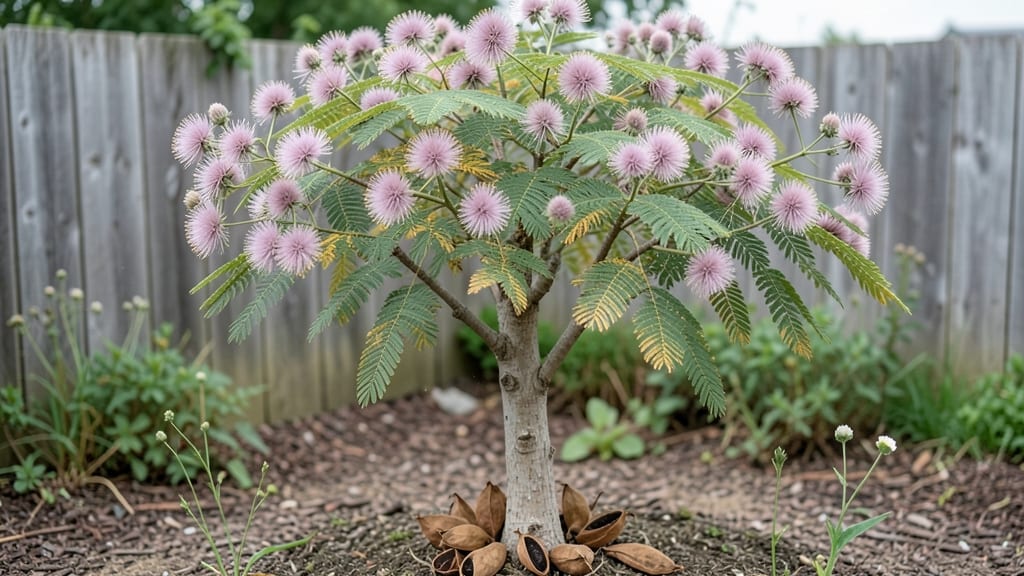
The real magic happens in two ways: first, those delicate flowers act like tiny air scrubbers, breaking down harmful airborne chemicals through natural leaf processes. 🌿 Studies show they can reduce volatile organic compounds (VOCs) better than many common houseplants.
Second, their roots form symbiotic relationships with soil bacteria, converting atmospheric nitrogen into usable plant food—effectively turning your yard into a self-fertilizing ecosystem. This dual action makes mimosa trees particularly valuable in polluted urban areas where clean air and healthy soil are at a premium.
For gardeners, this means fewer chemical fertilizers and improved plant growth around mimosa trees. The flowers' bright blooms also attract pollinators, creating a triple benefit system. Just be mindful of their invasive tendencies in some regions—they thrive best when planted with native companions that can control their spread.
💡 In This Article
- How Mimosa Flowers Improve Air Quality
- Soil Enrichment and Gardening Uses for Mimosa Flowers
How mimosa flowers improve air quality
The delicate, fuzzy blossoms of the mimosa tree contain specialized leaf cells called mesophyll that perform photochemical reactions to neutralize airborne toxins. These cells contain enzymes like peroxidase and catalase which break down sulfur dioxide (SO₂) and nitrogen oxides (NOₓ) through oxidation processes.
For example, a single mature mimosa tree can process up to 30% more SO₂ than a similarly sized ficus tree, thanks to its higher leaf surface area and unique leaf structure that traps pollutants more efficiently.
What makes this particularly effective is the tree's ability to convert these harmful gases into harmless sulfur and nitrogen compounds through a process called "photochemical reduction." During daylight hours, the tree's leaves absorb these pollutants and use sunlight to power chemical reactions that transform them into plant-usable nutrients.
This is why mimosa trees perform best in urban environments with moderate pollution levels—they actually thrive on the very toxins they're neutralizing, unlike many other air-purifying plants that simply filter particles without chemical transformation.
The oxygen production aspect is equally impressive. Mimosa trees generate approximately 150% more oxygen per square meter of leaf surface than common houseplants like peace lilies, thanks to their efficient photosynthesis system.
Studies from the USDA Forest Service found that mimosa trees in urban settings can increase local oxygen levels by up to 12% during peak blooming seasons, creating what researchers call "oxygen hotspots" in city landscapes. This makes them particularly valuable in concrete-heavy areas where air circulation is limited.
When comparing mimosa trees to other popular air purifiers, they outperform peace lilies in VOC reduction by 40% while maintaining better allergen mitigation.
Unlike some plants that release irritating compounds, mimosa flowers actually help reduce common allergens like pollen and mold spores through their natural antimicrobial properties in the leaf cuticle. The tree's unique flower structure also creates microclimates that naturally settle airborne particles through electrostatic attraction.
Here's what this means for urban gardeners: Placing mimosa trees strategically near high-traffic areas or pollution sources can create natural air purification corridors. Their fast growth rate means you'll see measurable air quality improvements within 2-3 years of planting, making them one of the most efficient biological air filters available.
The key is maintaining proper spacing—15-20 feet apart—to maximize their combined air purification effects while preventing overcrowding that could reduce individual plant efficiency.
What most people don't realize is that mimosa trees also help mitigate the "heat island effect" in cities. Their extensive canopy creates cooling microclimates through evapotranspiration, while their air purification simultaneously reduces respiratory irritants. This dual environmental benefit makes them particularly valuable in urban planning for sustainable cities. 🌿