
Pruning
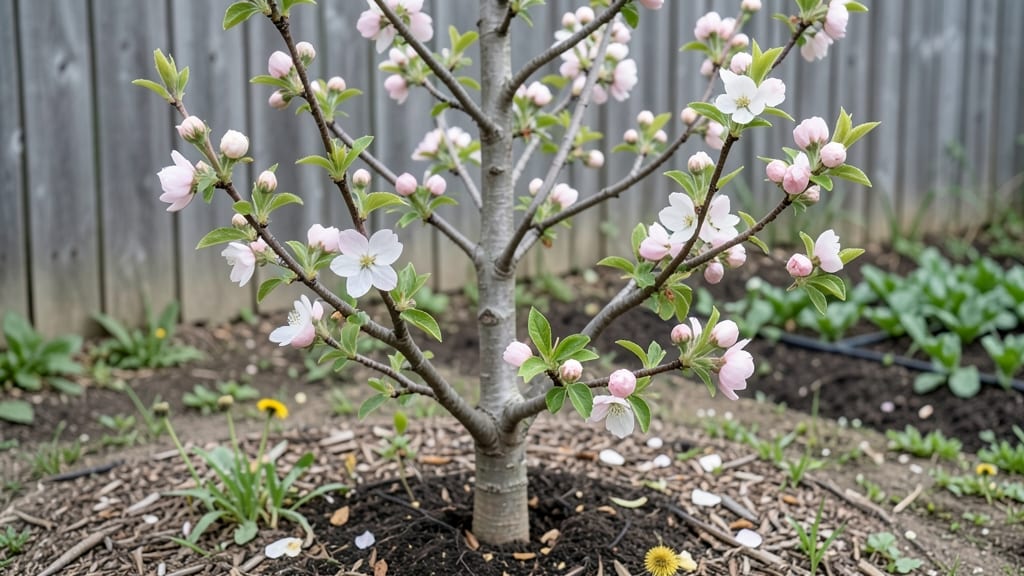
Your flowering crabapple tree in winter can still be the star of the yard—it just needs a few smart moves to survive the cold. ✨ I’ve watched mine transform from a bare skeleton to a showstopper with just a little seasonal care, and the secret lies in when and how you prune, plus a few protective tricks.
Late winter is the sweet spot for pruning—between January and early March—when the tree’s dormant but pests are still hibernating. Focus on removing dead, crossing, or weak branches first, then shape the canopy to let light reach the center.
A 3-inch layer of mulch around the base keeps roots cozy without smothering them, while wrapping young trunks in burlap protects against sunscald and critters.
You’ll end up with a tree that bursts into bloom come spring, its branches heavy with rosy-pink or white blossoms that last for weeks. The key is balancing pruning precision with winter prep—too little care, and you risk frost damage or breakage; too much, and you stunt next year’s flowers.
Think of it as giving your tree a winter wardrobe upgrade.
This works equally well for Zone 4 through Zone 7—just adjust timing if your winters are extreme. Now, let’s get that tree ready for its next act as the garden’s winter hero.
📚 In This Guide
- What you need
- Instructions
- Tips and common mistakes
- Wrapping up and next steps
What you need
- ● Pruning shears: Bypass pruners (sharp, 6–8" blades) for clean cuts on small branches.
- ● Loppers: Bypass or anvil type (18–24" handles) for thicker branches (up to 2" diameter).
- ● Pruning saw: Curved-tooth saw for branches thicker than 2.5".
- ● Disinfectant: 70% rubbing alcohol or pruning sealant (to sterilize tools between cuts).
- ● Gloves: Heavy-duty, cut-resistant (to protect hands from thorns and sap).
- ● Safety glasses: ANSI-rated (to shield eyes from debris).
- ● Ladder or step stool: Sturdy, 6–10 ft tall (if tree exceeds 8 ft in height).
- ● Twine or zip ties: 1/4" wide (for temporary support if needed).
- ● Trash bags or bucket: Large, lined (for collecting pruned branches).
- ● Pruning paint: Tree wound dressing (for sealing large cuts, though not always necessary for crabapples).
- ● Extension pole: 10–12 ft (for high branches without a ladder).
- ● Notebook & pencil: (to sketch your tree’s structure before/after pruning).
- ● Mulch: Shredded bark or wood chips (to protect roots post-pruning).
Instructions for pruning a flowering crabapple tree in winter
Winter's the perfect time to shape your crabapple tree—clean cuts now mean vibrant blooms next spring.
✂️ Step 1: Gather the Right Tools
Start with a sharp pruning saw for thick branches over ½ inch in diameter and a pair of clean, bypass pruners for smaller cuts. I always sterilize my tools with rubbing alcohol before starting—this prevents spreading disease between cuts. Wear gloves to protect against thorns and carry a bucket to collect debris as you work.
Check your tools' sharpness by making a clean cut through a small branch. If the blade tears instead of slicing, sharpen it first. Dull tools crush wood fibers, creating jagged wounds that invite pests and disease. A file or sharpening stone works for pruners, while a dedicated saw sharpener handles the larger tool.
✂️ Step 2: Remove Dead, Diseased, or Crossing Branches
Begin by scanning the tree for branches that are dead (no green bark), diseased (mushrooms, oozing sap), or crossing (rubbing against others). These take priority—removing them first opens up the canopy for better airflow and light penetration. Make your cuts just outside the branch collar (the swollen area where the branch meets the trunk) at a 45-degree angle.
For dead branches, test by scraping the bark with your thumbnail. Green underneath means it's still alive; brown or crumbly means it's dead. If a branch is diseased, bag it immediately and dispose of it in the trash—not the compost. Healthy branches should have smooth bark and vibrant green leaves (even in winter, you can check buds for health).
✂️ Step 3: Thin the Canopy for Better Light and Airflow
Next, focus on thinning the tree's interior by removing 25-30% of the smallest branches—these are the ones growing inward or upward. Aim to create an open center that lets sunlight reach the inner branches. This step encourages stronger growth and more abundant blooms. Start from the bottom and work upward to avoid over-reaching and losing your balance.
Look for branches that grow toward the center of the tree—these compete for sunlight and nutrients. Cut them back to a lateral branch or bud that faces outward. Avoid "heading back" (cutting back to a stub)—this encourages weak, bushy growth. Instead, make clean cuts just above a bud that points in the direction you want growth to go.
✂️ Step 4: Shape the Tree for Balance and Structure
Now, refine the tree's overall shape by pruning branches that disrupt its natural form. Flowering crabapples benefit from an open, vase-like shape that lets light filter through. Focus on removing branches that grow too close together or spoil the tree's symmetry. Step back frequently to assess the tree's silhouette—this helps you see what needs adjustment.
For larger branches, make a three-cut method to avoid tearing the bark: First, make an undercut about 12-18 inches out from the trunk. Then, cut from the top about 2-3 inches farther out. Finally, remove the remaining stub by cutting just outside the branch collar. This prevents the weight of the branch from tearing the bark as you remove it.
⏰ Step 5: Clean Up and Protect the Tree
Once pruning is complete, collect all debris and dispose of it in the trash (never leave it under the tree—it can harbor pests). Apply a wound dressing only if the cut is large and jagged, but most crabapple trees heal better without it. Instead, focus on keeping the area around the tree clean and mulched with 2-3 inches of organic mulch to retain moisture and suppress weeds.
Water the tree deeply after pruning to help it recover. Even in winter, a 10-15 gallon soak encourages root growth for spring. Avoid heavy pruning in extreme cold—wait until temperatures are above 20°F to prevent stress on the tree. With these cuts, your crabapple will reward you with stunning spring blooms and a healthier structure year after year.
Tips & tricks for perfect winter pruning of flowering crabapple trees
Winter pruning transforms your crabapple tree into a stunning spring show—here's how to make every cut count.
Tool Prep is Non-Negotiable: I can't stress enough how critical sharp tools are in Step 1. Dull pruners tear bark instead of slicing cleanly, creating wounds that invite pests and disease. Take 5 minutes to test your tools on a small branch before starting—if it doesn't cut cleanly, sharpen immediately. A file for pruners and a dedicated saw sharpener for larger branches make all the difference. Remember, you're not just pruning—you're shaping the tree's future health for years to come.
Winter Pruning Temperature Secret: The instructions mention avoiding extreme cold, but here's the real threshold: 20°F is your magic number. Below this, the tree's sap flow slows dramatically, making it more vulnerable to shock. If you're in a colder climate, wait until a mild winter day (above 20°F) with temperatures expected to stay there for at least 24 hours. This gives the tree time to recover properly before facing another freeze.
Canopy Thinning Strategy: When you're removing 25-30% of the smallest branches in Step 3, focus on creating what arborists call "light penetration zones." Look for branches that form a "V" shape when viewed from above—these are competing for the same sunlight. Cutting these back to outward-facing buds creates an open center that improves air circulation, which is crucial for preventing fungal diseases like apple scab that can plague crabapples.
Three-Cut Method Mastery: The three-cut technique in Step 4 might seem fussy, but it's worth the extra seconds. The key is precision: your undercut should be 12-18 inches from the trunk, and your top cut should be 2-3 inches farther out. This creates a clean break line that heals faster. Pro tip: Use a permanent marker to make tiny dots where you'll cut—this helps you visualize the exact angles before making the actual cuts.
Pro Tips for Flowering Crabapple Tree In Winter
- Winter pruning transforms your crabapple tree into a stunning spring show—here's how to make every cut count.
- Tool Prep is Non-Negotiable: I can't stress enough how critical sharp tools are in Step 1.
- Winter Pruning Temperature Secret: The instructions mention avoiding extreme cold, but here's the real threshold: 20°F is your magic number.
Frequently asked questions
Got questions about keeping your flowering crabapple tree stunning in winter? Here are answers to common concerns—from pruning timing to troubleshooting—so you can enjoy its beauty year-round!
When is the best time to prune a flowering crabapple tree in winter?
The ideal window is late winter (after dormancy but before bud break), typically February to early March in most climates. Pruning then promotes healthy growth and maximizes spring blooms. Avoid pruning in extreme cold or during active growth periods.
Will pruning in winter harm my tree’s flowers?
Not if done correctly! Pruning after the tree has shed its leaves (but before buds swell) ensures you’re not cutting off next year’s blossoms. Focus on removing dead, diseased, or crossing branches—this actually enhances flower production by improving airflow and sunlight.
Can I prune a flowering crabapple tree in late winter if I missed the ideal time?
Yes, but act quickly! If you miss the late-winter window, prune as soon as possible before buds break (usually by late March). Delaying too long risks cutting off flower buds or encouraging pest issues. Just avoid pruning after April in most regions.
Are there winter alternatives if my crabapple tree isn’t flowering well?
If blooms are sparse, try these fixes:
- Fertilize in early spring with a balanced, slow-release fertilizer (10-10-10 ratio).
- Check for pests (aphids, scale) or diseases (fire blight) and treat promptly.
- Ensure it gets 6+ hours of sunlight—shady spots reduce flowering.
- Consider a younger tree (under 10 years old), as mature trees may flower less vigorously.
My crabapple tree has brown branches—should I cut them now?
Wait until late winter to prune dead or brown branches. Cutting now could expose fresh wood to winter burn or pests. If branches are completely leafless and brittle, they’re likely dead—remove them cleanly with sterilized pruners. Always seal larger cuts with pruning sealant to prevent disease.
Wrapping up and next steps
The flowering crabapple tree in winter is a stunning testament to how thoughtful pruning can transform a dormant season into a breathtaking display. By following strategic cuts—like thinning out crowded branches, shaping for balance, and removing dead wood—you’ll ensure vibrant blooms, robust health, and year-round charm. 🌸
Now that you’re armed with the know-how, roll up your sleeves and give your tree the TLC it deserves! Start small with a single session, observe its response, and gradually refine your approach. Your winter garden masterpiece awaits—happy pruning! 🌲✨