Shrubs
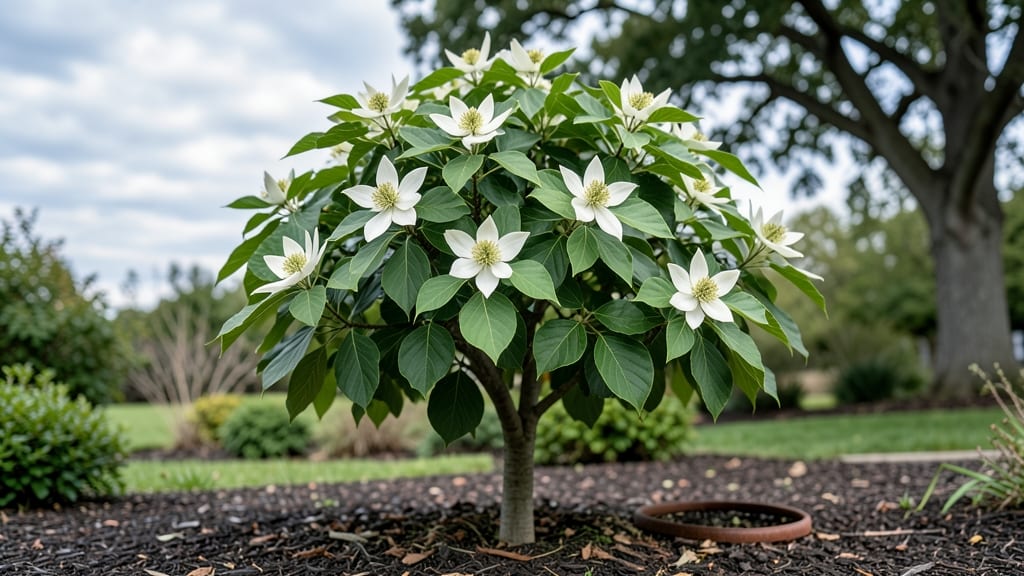
Caring for flowering dogwoods means waking up to four-inch pink blooms that outshine everything else in spring—with less fuss than you’d expect. 🌸 I’ve watched these trees transform bare branches into bursts of color year after year, and the secret isn’t complicated: they thrive when you mimic their natural habitat.
The key is getting the soil right, watering just enough, and pruning only when necessary—no heavy-handed trimming needed.
Dogwoods love moist, well-draining soil rich in organic matter, but they’re not picky about sunlight—morning sun and afternoon shade works best in hot climates. Water deeply once a week during dry spells, and you’ll avoid the most common mistake: letting them dry out completely.
A light mulch around the base keeps roots cool and retains moisture, which is especially critical in the first few years after planting.
What makes these trees magical is how little they demand once established. The blooms arrive reliably each spring, followed by red berries that birds adore—all while the foliage turns a fiery crimson in fall.
The only pruning you’ll ever need is removing dead branches in late winter, and even that’s optional for healthy trees. You’ll end up with a tree that’s low-maintenance yet showstopping, the kind neighbors notice and ask about.
They handle urban conditions surprisingly well, too—drought-tolerant once mature and adaptable to containers for smaller spaces. The only real challenge is avoiding dogwood anthracnose, a fungal disease, which we’ll tackle in the troubleshooting section.
Trust me, once you’ve got one in your yard, you’ll understand why these trees are called the "state flower of Virginia" for a reason.
📚 In This Guide
- What you need
- Instructions
- Tips and common mistakes
- Wrapping up and next steps
What you need
- ● Flowering dogwood plant: Choose a healthy nursery-grown sapling (1-2 years old) or a mature tree if transplanting. Size: 4-6 ft tall for saplings; larger for mature specimens.
- ● Well-draining soil: Mix 1 part native soil with 1 part compost (or peat moss for acidic soils, pH 4.5–6.0). Quantity: Enough to fill the planting hole (2–3x wider than the root ball).
- ● Organic mulch: 2–4 inches of shredded bark, pine straw, or wood chips (keep mulch 3–6 inches away from the trunk to prevent rot).
- ● Watering can or hose with a gentle spray nozzle: For deep watering (1–2 gallons per plant, 2–3 times per week in dry spells).
- ○ Pruning shears: Bypass pruners (sharp, clean, and ¼-inch capacity for small branches). Optional: Loppers for thicker branches.
- ● Garden gloves: Heavy-duty for protection while handling soil and tools.
- ● Stakes and twine (if needed): For young plants in windy areas (3–4 stakes, 6–8 ft tall).
- ● Slow-release fertilizer: Balanced 10-10-10 or acid-loving plant fertilizer (apply once in early spring).
- ● Soil pH test kit: To confirm acidity levels (dogwoods thrive in slightly acidic soil).
- ● Fungicide (preventative): Copper-based spray for anthracnose disease (apply in early spring if your area is prone to fungal issues).
- ● Drip irrigation system: For automated, consistent watering (great for established trees).
- ● Tree collar protector: Plastic or rubber guard to shield the trunk from lawnmowers.
Step-by-Step instructions for year-round flowering dogwood maintenance
This low-maintenance tree thrives with just a few seasonal check-ins—here’s how to keep it stunning.
🌱 Step 1: Plant in the Right Spot for Optimal Growth
Flowering dogwoods demand partial shade—think dappled sunlight with 4-6 hours of morning sun and afternoon shade. A location with well-draining, slightly acidic soil (pH 5.0-6.5) prevents root rot while encouraging vibrant blooms. Dig a hole twice as wide as the root ball but only as deep—planting too deep suffocates roots and causes stress.
Gently loosen the root ball before placing it in the hole, then backfill with native soil, tamping lightly to eliminate air pockets. Water deeply immediately after planting to settle the soil and encourage root spread. Dogwoods hate soggy roots, so avoid low-lying areas where water pools.
☀️ Step 2: Water Deeply and Mulch for Moisture Retention
Water newly planted dogwoods 2-3 times per week for the first 6 months, providing 1-2 gallons per watering until the top 6 inches of soil feel moist. Mature trees need 1 inch of water weekly during dry spells, but let the soil dry slightly between waterings to prevent fungal diseases like root rot.
Apply a 3-inch layer of organic mulch (like shredded bark) around the base, keeping it 6 inches away from the trunk to prevent rot. Mulch conserves moisture, regulates soil temperature, and suppresses weeds—just refresh it annually. Avoid piling mulch against the trunk, which traps moisture and invites pests.
✂️ Step 3: Prune Only When Necessary for Airflow and Shape
Dogwoods bloom on old wood, so prune only in late winter or early spring (February-March) before buds swell. Remove dead, diseased, or crossing branches first, cutting just outside the branch collar to avoid damaging the tree. Thin out crowded branches to improve airflow, which reduces fungal risks like powdery mildew.
Shape the tree lightly by shortening overlong branches, but never remove more than 25% of the canopy at once. Dogwoods respond poorly to heavy pruning—focus on cleaning up rather than drastic reshaping. If you notice yellowing leaves or leggy growth, it’s a sign of too much shade or overwatering, not pruning needs.
🌿 Step 4: Fertilize Sparingly for Healthy Growth
Young dogwoods benefit from a balanced, slow-release fertilizer (10-10-10) applied in early spring at half the recommended rate. Mature trees rarely need fertilizer unless soil tests show deficiencies. Over-fertilizing leads to weak wood and fewer blooms—dogwoods prefer leaner conditions.
If leaves appear pale or stunted, conduct a soil test and amend with compost or organic matter instead of synthetic fertilizers. Dogwoods thrive in nutrient-poor but well-draining soil. Avoid high-nitrogen fertilizers, which promote leafy growth at the expense of flowers.
⏰ Step 5: Monitor for Pests and Diseases Proactively
Inspect leaves and bark annually for dogwood anthracnose (a fungal disease causing dark spots) or borers (tiny holes in bark). Prune infected branches immediately and sterilize tools with 70% isopropyl alcohol between cuts. For anthracnose, apply a copper fungicide in early spring as a preventative measure.
Dogwoods are relatively pest-resistant, but watch for scale insects on new growth. Blast them off with a strong stream of water or treat with neem oil if infestations persist. Healthy trees rarely suffer severe damage, so focus on proper watering and airflow to keep them resilient.
Tips & tricks for perfect flowering dogwood care
Here's what I've learned after years of nurturing these stunning trees—simple secrets that make all the difference.
Site Selection Secret: When evaluating locations, prioritize spots with morning sun and afternoon shade, but also consider seasonal sun patterns. Evergreens to the north can provide excellent shade in summer while allowing winter sun penetration. I've found that dogwoods planted under tall pines often produce more abundant blooms because the filtered light creates ideal growing conditions without overheating the roots.
Soil Prep Strategy: Before planting, mix a handful of sulfur into the bottom of the planting hole if your soil tests above pH 6.5—this helps maintain that ideal 5.0-6.5 range. For clay-heavy soils, amend with 10% compost by volume to improve drainage without altering the acidity. The key is creating that perfect balance where roots can breathe but still access moisture.
Watering Wisdom: The 2-3 times per week watering schedule for new plants assumes average rainfall. If you're in a drought-prone area, supplement with 3-4 gallons per watering instead of the standard 1-2 gallons. I use a rain gauge to track weekly totals—when we hit 1 inch naturally, I skip the supplemental watering. This prevents overwatering while ensuring consistent moisture.
Pruning Precision: When shaping your dogwood in Step 3, focus on creating an open center that allows light to penetrate to the inner branches. This encourages stronger growth throughout the canopy. I use a 10-inch pruning saw for thicker branches and always make cuts at a 45-degree angle just outside the branch collar. The goal is to maintain that natural, graceful shape while improving airflow.
Pro Tips for Flowering Dogwood Care
- Here's what I've learned after years of nurturing these stunning trees—simple secrets that make all the difference.
- Site Selection Secret: When evaluating locations, prioritize spots with morning sun and afternoon shade, but also consider seasonal sun patterns.
- Soil Prep Strategy: Before planting, mix a handful of sulfur into the bottom of the planting hole if your soil tests above pH 6.5—this helps maintain that ideal 5.0-6.5 range.
Frequently asked questions
Got questions about keeping your flowering dogwood thriving? Here are answers to the most common concerns—from seasonal care to troubleshooting—so you can enjoy its stunning blooms year after year!
When is the best time to prune flowering dogwood?
Prune your flowering dogwood right after blooming (late spring to early summer). Avoid pruning in fall or winter, as this can remove next year’s flower buds. Light shaping is fine, but avoid heavy cuts—dogwoods bloom on old wood!
How often should I water a flowering dogwood?
Water deeply once a week during the first growing season to establish roots. Mature trees need water only during dry spells (about 1-2 inches per week). Mulch helps retain moisture—just keep it 3 inches away from the trunk to prevent rot.
Why aren’t my dogwood flowers opening?
Missing blooms often mean over-pruning (cutting back too late) or nutrient deficiencies (especially nitrogen or phosphorus). Check for dogwood anthracnose (fungus) too—prune infected branches and apply fungicide if needed.
Can flowering dogwood grow in full sun?
While they tolerate partial shade, dogwoods thrive in morning sun + afternoon shade (especially in hot climates). Full sun can stress the plant, leading to leaf scorch. If your yard is sunny, plant near a fence or tree for dappled light.
What’s a good alternative if my dogwood isn’t thriving?
Try kousa dogwood (more disease-resistant) or serviceberry for similar spring blooms. For shade lovers, ornamental cherry or azalea also offer stunning flowers with less fuss. Compare care needs before switching!
Wrapping up and next steps
Caring for your flowering dogwood is a rewarding journey that brings year-round beauty with just a little effort—especially when it comes to pruning! 🌸 From selecting the right spot and providing consistent moisture to protecting against pests and diseases, these steps ensure your tree thrives for decades.
With its stunning blooms, vibrant foliage, and graceful form, your dogwood will become a standout feature in your landscape.
Ready to enjoy the fruits of your labor? Plant a new dogwood this season or give your existing one a little extra love—your garden will thank you! 🌿 For more tips, explore our shrub care guides or connect with fellow gardeners in local plant communities.