
Flowers
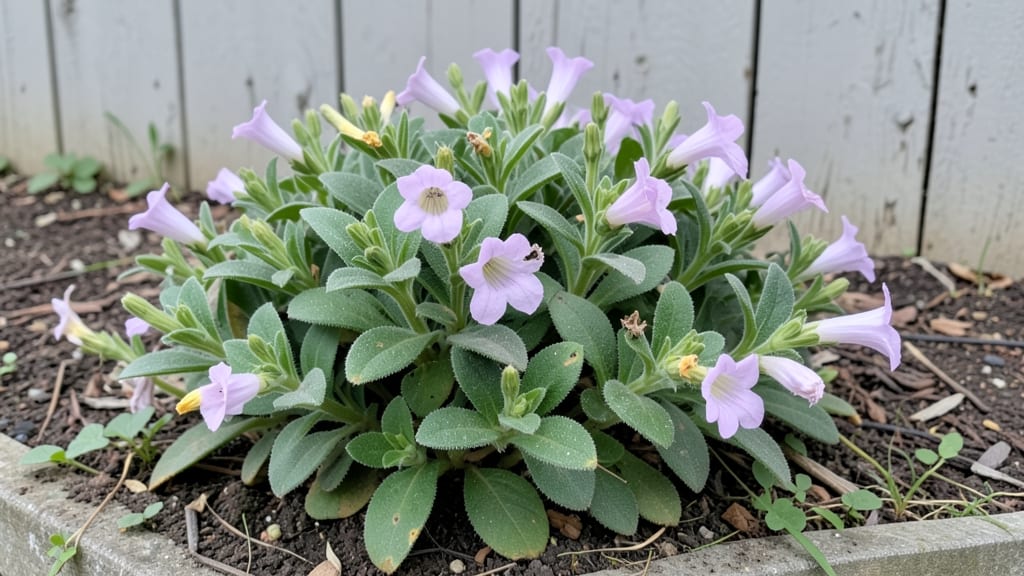
Growing million bell flowers is like having a nonstop petunia show—except these tiny blooms keep coming all season long, with almost no fuss. 🌸 I’ve grown them in containers, hanging baskets, and garden beds, and they’ve never failed to deliver that cascading, colorful spectacle.
The secret lies in their love for warmth, bright light, and well-draining soil—conditions most gardeners can easily recreate, even in small spaces.
You’ll need just a few basics: well-draining potting mix, a sunny spot (at least 6 hours of direct light daily), and a container with drainage holes if growing in pots. Million bells thrive in zones 9-11 year-round, but they’re also perfect for cooler climates as annuals.
Start seeds indoors 8-10 weeks before frost, or buy sturdy transplants to skip the wait. The key? Consistent moisture—never let them dry out, but avoid soggy soil.
Once established, these plants reward you with abundant blooms in shades of pink, purple, white, and red, all summer and fall. Pinch back leggy growth early to encourage bushier plants, and fertilize lightly every 2-3 weeks with a balanced formula.
They’re also drought-tolerant once rooted, making them low-maintenance stars in any garden bed or hanging basket.
Pair them with trailing lobelia or sweet potato vine for a mixed-container display, or let them spill over edges in garden beds. The only real challenge? Keeping up with the blooms—because once they start, they don’t stop. Here’s how to keep them thriving all season.
📚 In This Guide
- What you need
- Instructions
- Tips and common mistakes
- Wrapping up and next steps
What you need
- ● Million Bell Flower Seeds (Calibrachoa spp.) – Choose 1-2 seed packets (or a small tray of seedlings if you prefer). Opt for varieties like ‘Superbells’ or ‘Million Bells’ for compact, trailing growth.
- ● Well-draining potting mix – A high-quality, peat-free blend (or add perlite/vermiculite for extra drainage). Aim for 10-12 quarts per container.
- ● Containers or garden beds – For containers: Hang baskets (8-12 inches wide), window boxes, or pots with drainage holes.
- ● For garden beds: Ensure full sun (6+ hours/day) and loose, fertile soil.
- ● Slow-release fertilizer – A balanced 10-10-10 or 20-20-20 formula (follow package rates for best results).
- ● Watering can or hose with a gentle nozzle – Million bells love consistent moisture but hate soggy roots.
- ● Garden gloves – Protect your hands from prickly stems or soil.
- ● Pruning shears – For trimming leggy stems to encourage bushier growth.
- ● Mulch (e.g., shredded bark) – Helps retain moisture and suppress weeds in garden beds.
- ● Grow lights (for indoor setups) – If growing near a north-facing window, supplement with 12-14 hours of light/day.
- ● Epsom salt (magnesium sulfate) – A monthly foliar spray (1 tbsp per gallon of water) can boost blooms.
Step-by-Step instructions for cultivating Million Bell Flowers
Here's how I transform a modest garden corner into a vibrant, low-maintenance display with these cheerful blooms.
🌱 Step 1: Select and Prepare the Planting Site
Million Bell Flowers thrive in full sun to partial shade, making them perfect for borders, containers, or hanging baskets. Choose a location with at least 4-6 hours of direct sunlight daily—they'll reward you with continuous blooms when happy. I always test the soil first by squeezing a handful; if it crumbles easily, it's ready. If it stays clumpy, amend with 2-3 inches of compost mixed into the top 6 inches of soil.
These plants tolerate a wide range of soil types but perform best in well-draining, slightly acidic to neutral soil (pH 6.0-7.0). If your soil is heavy clay, mix in 1 part perlite to 3 parts soil to improve aeration. Avoid soggy spots—they'll cause root rot faster than you can say "million bells."
🪴 Step 2: Plant Million Bell Flowers at the Right Depth
Dig holes twice as wide as the root ball but only as deep as the container height—planting too deep suffocates the roots. Gently remove the plant from its container and tease apart any circling roots with your fingers. Place it in the hole so the top of the root ball sits ½ inch below soil level; this prevents stem rot while keeping the plant stable.
Backfill with native soil, pressing lightly around the edges to eliminate air pockets. Water deeply right after planting to settle the soil and encourage root spread. I like to add a 1-inch layer of mulch around the base (but not touching the stems) to retain moisture and suppress weeds. This is especially helpful in hot climates where soil dries out quickly.
☀️ Step 3: Water and Fertilize for Continuous Blooms
Million Bell Flowers are drought-tolerant once established, but they need consistent moisture during their first growing season. Water when the top 1-2 inches of soil feel dry to the touch, aiming for 1 inch of water per week. In containers, you may need to water every 2-3 days in summer heat. Always water at the base to avoid wetting the foliage, which reduces disease risk.
Feed with a balanced, water-soluble fertilizer (10-10-10) every 4-6 weeks during the growing season. I switch to a low-phosphorus fertilizer (5-1-5) in late summer to promote more blooms than foliage. Stop fertilizing by mid-fall to let the plants harden off for winter.
✂️ Step 4: Prune for Bushier Growth and Longer Blooming
Deadhead spent blooms regularly to encourage nonstop flowering—this is where Million Bell Flowers earn their name! Pinch off faded flowers with your fingers or snips, cutting just above a set of leaves. I do this every 2-3 days during peak bloom to keep the plant looking tidy and productive. If you notice leggy growth, trim back the longest stems by ⅓ their length in early summer to promote bushier, fuller plants.
After the first hard frost, cut back stems to 6-8 inches tall. This pruning stimulates fresh growth in spring and prevents the plant from becoming woody. In warm climates, you can leave them unpruned year-round—they'll often bloom lightly even in winter if temperatures stay above 40°F.
⏰ Step 5: Overwinter for Year-Round Color
Million Bell Flowers are tender perennials in most climates, meaning they die back in winter but regrow from the roots. In zones 9-11, they may survive winter with minimal protection. For colder areas, mound 4-6 inches of mulch around the base after the first frost. In containers, move pots to a sheltered spot or wrap them in bubble wrap to insulate against freezing temperatures.
Resume regular care in spring when new growth appears. You'll see fresh leaves emerge in 2-3 weeks if the roots stayed healthy. This is the moment that matters: consistent winter care means vibrant blooms by early summer without replanting. I always fertilize lightly at this stage to jumpstart the season.
Tips & tricks for perfect Million Bell flower cultivation
These practical insights will help you transform your garden into a nonstop floral display with minimal effort—no green thumb required.
Soil Testing Secret: Before amending your soil in Step 1, grab a handful and squeeze it. If it crumbles easily, you're good to go—no compost needed. If it stays clumpy, mix in that 2-3 inches of compost into the top 6 inches of soil, but don't overdo it. Too much organic matter can create soggy conditions that invite root rot. I've seen gardeners accidentally turn their beds into swampy zones by over-amending.
Planting Depth Precision: When placing your Million Bell Flowers in Step 2, use your finger to create a slight dimple in the soil—this helps you visualize that ½ inch below soil level placement. The top of the root ball should sit just below this mark. Too deep, and you'll suffocate the roots; too shallow, and the plant may topple. I always check this by running my thumb along the soil line after planting.
Watering Wisdom: The 1 inch of water per week guideline in Step 3 works for most climates, but container growers need to adjust. In summer heat, I water my container plants every 2-3 days—always checking that top 1-2 inches of soil first. The key is consistency: let the soil dry slightly between waterings to prevent fungal issues while maintaining that continuous moisture for new growth.
Pruning Timing: That 2-3 days deadheading schedule in Step 4 might seem frequent, but it's worth it. I set a timer on my phone for morning and evening reminders during peak bloom. The moment you see a flower starting to fade, pinch it off—this signals the plant to redirect its energy into producing more blooms rather than seed pods. In late summer, when switching to that 5-1-5 fertilizer, I also do a light trim of any leggy stems to encourage bushier growth.
Pro Tips for Million Bell Flowers
- These practical insights will help you transform your garden into a nonstop floral display with minimal effort—no green thumb required.
- Soil Testing Secret: Before amending your soil in Step 1, grab a handful and squeeze it.
- Planting Depth Precision: When placing your Million Bell Flowers in Step 2, use your finger to create a slight dimple in the soil—this helps you visualize that ½ inch below soil level placement.
Frequently asked questions
Got questions about growing million bell flowers?
You’re not alone! Here are answers to the most common concerns—from planting to troubleshooting—so you can enjoy vibrant blooms with ease.
When is the best time to plant million bell flowers?
Plant them in early spring after the last frost (around USDA Zone 7-10) for best results. They thrive in warm soil (60°F+), so avoid planting too early—cold temperatures can stunt growth. If you’re in a mild climate, fall planting (8-10 weeks before frost) also works!
How often should I water million bell flowers?
Keep soil consistently moist but not soggy—water deeply 2-3 times per week during dry spells. Once established, they’re drought-tolerant, but young plants need regular hydration. Pro tip: Mulch around the base to retain moisture and prevent weeds!
Can I grow million bell flowers in containers?
Use a 5-gallon pot or larger with drainage holes, and fill it with well-draining potting mix. Place in full sun to partial shade (6+ hours of light). Just ensure the container stays hydrated—containers dry out faster than garden beds.
Why aren’t my million bell flowers blooming?
Blooms may skip if plants lack sunlight, nutrients, or water. Check for:
- Sunlight: Ensure 6+ hours of direct sun daily.
- Fertilizer: Use a balanced 10-10-10 formula every 4-6 weeks.
- Deadheading: Prune spent blooms to encourage new flowers!
Are million bell flowers pest-prone?
They’re generally resilient, but watch for aphids, spider mites, or whiteflies. Spray infested areas with neem oil or insecticidal soap for mild cases. For severe pests, introduce beneficial insects like ladybugs or use systemic granules.
Wrapping up and next steps
Growing million bell flowers is a rewarding way to add vibrant color to your garden with minimal fuss! These cheerful blooms thrive in diverse conditions, making them perfect for both novice and experienced gardeners.
Whether you’re drawn to their delicate petals or their hardy nature, these flowers promise year-round beauty with just a little care.
Ready to transform your outdoor space? Start by gathering your supplies, choosing the right spot, and following the simple steps outlined above. Your garden’s next masterpiece is just a seed away—happy planting! 🌸