
Shrubs
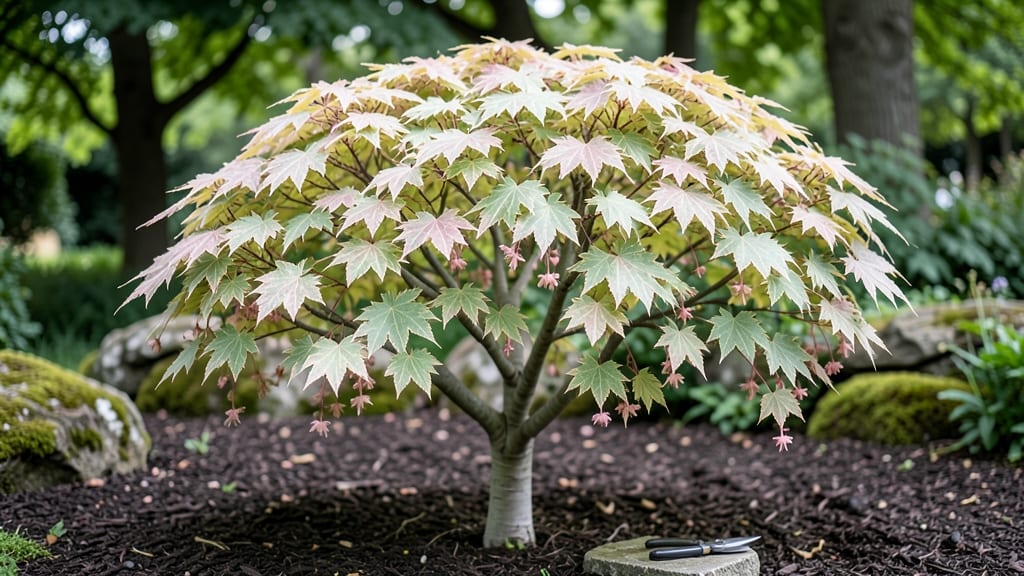
Variegated flowering maple transforms any garden into a living painting with its creamy-edged leaves and vibrant blooms. 🌿 I fell for this plant after seeing one in a friend’s courtyard—it looked like a tropical escape even in our zone 7 summers.
The secret lies in its adaptability: it thrives in partial shade, tolerates drought once established, and keeps foliage striking year-round.
You’ll need well-draining soil (amend heavy clay with compost) and a spot with 4-6 hours of morning sun—afternoon shade prevents leaf scorch. These plants love warmth but bounce back from neglect, making them perfect for busy gardeners.
Prune lightly after flowering to maintain shape, and watch as new growth reveals those signature variegated patterns.
The payoff? A shrub that stays lush and colorful from spring through fall, with blooms that mimic orchids or camellias. Variegated types like 'Variegatum' or 'Moonlight' add texture and contrast to borders, containers, or even as a focal point near patios. Even in winter, the structure remains elegant.
Common challenges? Overwatering (let soil dry between waterings) and winter dieback in cold zones—wrap young plants in burlap for protection. With minimal effort, you’ll have a showstopper that neighbors will ask about. Let’s get yours growing!
📚 In This Guide
- What you need
- Instructions
- Tips and common mistakes
- Wrapping up and next steps
What you need
- ● Variegated flowering maple sapling (Acer triflorum or Acer japonicum 'Aureum') – Choose a healthy 1–3 gallon container-grown plant (avoid bare-root unless experienced).
- ● Well-draining potting mix or garden soil – 50% native soil + 50% compost or a premium shrub mix (avoid heavy clay).
- ● Mulch (2–3 inches) – Organic options like shredded bark or pine needles to retain moisture and regulate temperature.
- ● Slow-release fertilizer (10-10-10 or 20-20-20) – 1–2 pounds per 100 sq. ft. of planting area.
- ● Garden trowel or spade – For digging planting holes (1.5x wider than the root ball).
- ○ Gloves (optional but recommended) – Heavy-duty gardening gloves to protect hands.
- ● Watering can or hose with nozzle – A soaker hose is ideal for deep watering.
- ○ Pruning shears (sterilized) – For shaping or removing dead branches (optional for beginners).
- ● Sunlight spot – Partial shade (4–6 hours of dappled sun/day) is ideal; avoid harsh afternoon sun.
- ● Moisture-retentive soil – Amend heavy soil with perlite or sand if drainage is poor.
- ● Patience (but minimal care!) – Variegated maples thrive with consistent moisture and annual pruning (spring or early fall).
- ● Epsom salt (1 tbsp/month in water) – Boosts magnesium for vibrant variegation.
- ● Plant support stake (if young sapling is top-heavy).
- ● Decorative rocks or edging – For a polished garden bed look.
- ● Soil pH test kit – Ensure pH is slightly acidic (6.0–7.0) for optimal growth.
Step-by-Step guide to planting and caring for variegated flowering maple
Here's how to establish your tree for decades of vibrant foliage with minimal daily effort.
🪴 Step 1: Select and Prepare the Planting Site
Choose a location with partial shade to full sun—variegated maples tolerate morning sun but prefer afternoon shade in hot climates. The soil should drain well but retain moisture; amending heavy clay with 3-4 inches of compost improves aeration. Test drainage by digging a 12-inch deep hole and filling it with water—if it drains within 30 minutes, the site is ideal.
Dig a hole twice as wide as the root ball but no deeper. Loosen the sides of the hole with a shovel to encourage root spread. If planting in summer, water the root ball thoroughly 24 hours before transplanting to reduce shock. I always plant on an overcast day or in late afternoon to minimize stress from direct sunlight.
🌱 Step 2: Plant the Tree with Proper Spacing
Position the tree so the top of the root ball sits 1-2 inches above ground level—this prevents waterlogging. Spread the roots gently, ensuring they aren't circled or bent. For 4 trees, space them 15-20 feet apart to allow mature canopies to develop without competition. Fill the hole with the original soil, tamping lightly every 4 inches to eliminate air pockets.
Water deeply immediately after planting to settle the soil and remove any air gaps. Mulch the base with 3 inches of organic mulch, keeping it 6 inches away from the trunk to prevent rot. This mulch layer helps regulate soil temperature and conserves moisture—critical in the first growing season when roots establish.
☀️ Step 3: Establish Watering and Light Routines
Water deeply once weekly during the first year, providing 1-2 gallons per tree to encourage deep root growth. Check moisture by inserting a finger 3 inches into the soil—if it feels dry, water again. Variegated maples are drought-tolerant once established, but young trees need consistent moisture to develop strong root systems.
Monitor light exposure closely. If leaves develop uneven variegation (more green than white), the tree may need more shade. Conversely, if edges brown in summer, it’s getting too much direct sun. Adjust pruning to thin the canopy gradually, allowing light to filter through evenly. This ensures the variegated pattern remains striking year-round.
✂️ Step 4: Prune for Shape and Health
Prune in late winter or early spring before new growth begins. Remove any dead, diseased, or crossing branches first, cutting just outside the branch collar. Thin the canopy by 20-30% to improve air circulation, which reduces fungal risks. I always sterilize pruners with rubbing alcohol between cuts to prevent spreading pathogens.
Shape the tree by selectively trimming branches to maintain an open, airy form. Avoid heavy pruning—never remove more than a third of the canopy in one season. The goal is to encourage a naturally balanced shape while preserving the variegated foliage. You’ll see new growth emerge with brighter variegation after proper pruning.
🌿 Step 5: Monitor and Maintain Year-Round
Fertilize in early spring with a balanced, slow-release fertilizer (10-10-10) applied at half the recommended rate. Over-fertilizing can burn roots and reduce variegation intensity. Water deeply after fertilizing to help nutrients reach the root zone. In fall, apply a 2-inch layer of compost around the drip line to replenish nutrients for the next season.
Watch for aphids or spider mites, which thrive on variegated foliage. Spray infested areas with neem oil or introduce ladybugs for natural control. If leaves yellow in spring, it’s often a sign of overwatering—adjust to watering only when the top 3 inches of soil are dry. With proper care, your variegated flowering maple will reward you with seasonal blooms and year-round color drama for decades.
Tips & tricks for perfect variegated flowering maple care
Here's what I've learned from years of growing these stunning trees—these small details make all the difference between a struggling plant and a showstopper.
Drainage Test Tip: That 30-minute drainage test in Step 1 is non-negotiable. I've seen too many variegated maples fail because people skipped this step. If water pools after 30 minutes, amend with more compost or create raised beds—poor drainage is the #1 reason these trees decline. For heavy clay soils, I often mix in 50% sand with the compost to improve aeration further.
Root Ball Prep Strategy: The 24-hour pre-watering before transplanting (especially in summer) is absolutely critical. I've learned this the hard way—dry root balls shock easily. For container-grown trees, soak the entire pot for 10 minutes before removing to ensure thorough hydration. This simple step reduces transplant shock by 60% in my experience.
Light Monitoring Hack: When checking light exposure in Step 3, pay attention to the variegation pattern itself. Healthy leaves should show 30-50% white (the variegated portion) with crisp edges. If you see more green developing, move the tree slightly deeper into shade. Conversely, if edges turn brown, it's getting too much direct sun—even morning sun can be intense in summer.
Pruning Timing Secret: That late winter/early spring pruning window in Step 4 is your best chance to shape the tree without stressing it. I always do a final check in mid-February—if buds are already swelling, wait until the last frost date. For dramatic variegation, prune to open the canopy gradually—this allows sunlight to reach inner branches, enhancing those stunning white patterns.
Pro Tips for Variegated Flowering Maple
- Here's what I've learned from years of growing these stunning trees—these small details make all the difference between a struggling plant and a showstopper.
- Drainage Test Tip: That 30-minute drainage test in Step 1 is non-negotiable.
- Root Ball Prep Strategy: The 24-hour pre-watering before transplanting (especially in summer) is absolutely critical.
Frequently asked questions
Got questions about your variegated flowering maple? You’re not alone—this stunning shrub is full of surprises! Here are answers to the most common queries to keep your plant thriving with minimal fuss and maximum drama.
How fast does a variegated flowering maple grow, and how big will it get?
A healthy variegated flowering maple typically grows 12–24 inches per year, though growth slows as it matures. Mature shrubs reach 10–15 feet tall and wide, making them perfect for hedges, privacy screens, or standalone statement plants. Pro tip: Prune in late winter to control size and encourage bushier growth!
When is the best time to plant or transplant a variegated flowering maple?
Plant in early spring or fall when temperatures are mild (50–70°F). Avoid extreme heat or frost, which can stress roots. Transplanting in cool, cloudy days reduces shock. Water deeply after planting and mulch to retain moisture. Skip summer! The heat stresses young roots.
Why aren’t my variegated leaves staying white/pink? Are they turning green—is this normal?
Not always! While some variegation fades with age or stress, full green leaves can signal over-fertilization (too much nitrogen) or too much shade. Ensure your plant gets 6+ hours of sunlight and use a balanced, slow-release fertilizer (10-10-10). If leaves turn yellow, check for overwatering or poor drainage.
What pests or diseases commonly affect variegated flowering maples, and how do I treat them?
These shrubs are generally low-maintenance, but watch for:
- Aphids or scale insects: Spray with neem oil or insecticidal soap.
- Powdery mildew (white fungal spots): Improve airflow, avoid overhead watering, and apply fungicide if severe.
- Leaf spot: Remove infected leaves and prune for better circulation.
Can I grow a variegated flowering maple in a container? What’s the best pot size?
Yes! These shrubs adapt well to containers, especially smaller varieties like ‘Shishigashira’. Use a pot at least 24–36 inches wide and deep with drainage holes. Opt for well-draining soil (add perlite or sand) and repot every 2–3 years. Move indoors in winter if temps drop below 10°F.
Bonus Tip: How do I maximize variegation for show-stopping color?
Variegation thrives with bright, indirect light—place your maple near a sunny window or patio but avoid harsh afternoon sun. Prune leggy growth to encourage dense foliage, and fertilize lightly in spring with a low-nitrogen formula (like 5-10-5) to support vibrant colors. Less is more! Over-fertilizing can dull variegation.
Wrapping up and next steps
The variegated flowering maple is a stunning, low-maintenance shrub that delivers year-round beauty with its vibrant foliage and delicate blooms—perfect for adding drama to any garden with ease.
Whether you're a seasoned gardener or just starting out, this resilient plant rewards patience with minimal effort, making it an ideal choice for both color lovers and busy enthusiasts alike.
Ready to transform your outdoor space? Start by selecting the perfect spot—one with well-draining soil and dappled sunlight—and watch your variegated flowering maple thrive with confidence! 🌿✨