Shrubs
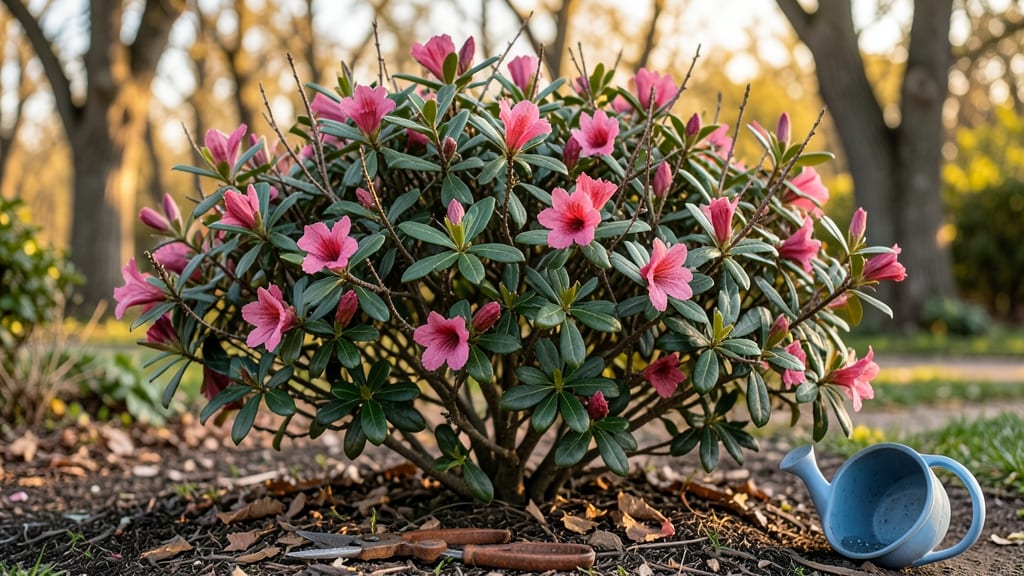
Peach flowering quince thrives where others struggle—this tough shrub delivers fragrant spring blooms, glossy foliage, and even edible fruit with almost no fuss. 🌿 I planted mine last fall, and by spring, it was already covered in pink flowers that smelled like a cross between a peach orchard and a rose garden.
The best part? It doesn’t need the constant pruning most shrubs demand.
This shrub loves full sun to part shade and tolerates poor soil better than most ornamentals. Mine sits in a rocky spot where nothing else grows, yet it sends out new growth every spring.
The secret is well-draining soil—even clay works if amended with compost—and a spot where it won’t get waterlogged. Once established, it’s drought-tolerant enough to handle summer heat without wilting.
You’ll get three seasons of interest: fragrant flowers in spring, glossy foliage all summer, and bright red fruit in fall that birds love but rarely ruin. The fruit isn’t showy, but the scent alone makes it worth growing.
Prune just once a year—after flowering—to shape it, and you’re done. Even my neglected corner of the garden now has this star performer.
Perfect for hedges, foundation plantings, or as a specimen shrub where you want color without the upkeep. It’s the kind of plant that makes gardening feel effortless—once you know the few simple rules. Let’s get yours growing!
📚 In This Guide
- What you need
- Instructions
- Tips and common mistakes
- Wrapping up and next steps
What you need
- ● Peach flowering quince plants (1–3, depending on desired coverage): Choose Chaenomeles speciosa (standard variety) or Chaenomeles × superba (hybrid) for vibrant colors.
- ● Opt for bare-root (fall/winter planting) or container-grown (spring/fall) plants.
- ● Well-draining soil mix (50% native soil + 50% compost/peat moss): Test soil pH (ideal: 5.5–6.5).
- ● Amend with sulfur if soil is alkaline.
- ● Organic mulch (2–3 inches): Wood chips, straw, or shredded bark (keeps roots cool and moist).
- ● Garden trowel or shovel (for digging holes).
- ● Pruning shears (sharp, bypass-style for clean cuts).
- ● Garden hose or watering can (with drip irrigation option for efficiency).
- ● Measuring tape (to space plants 6–10 feet apart).
- ● Gloves (to protect hands from thorns).
- ● Slow-release fertilizer (10-10-10 ratio, apply in early spring).
- ● Epsom salt (1 tbsp per plant, for magnesium boost if leaves yellow).
- ● Pest deterrents (neem oil spray for aphids or spider mites).
- ● Staking supports (if planting in windy areas).
Step-by-step guide to planting and caring for peach flowering quince
Here's how to establish this fragrant shrub for decades of low-maintenance blooms.
🌱 Step 1: Choose the Perfect Planting Spot
Peach flowering quince thrives in full sun—at least 6 hours daily—so pick a south or west-facing location. The plant handles partial shade but produces fewer blooms, and too much shade leads to leggy growth. I always test the spot by observing how long sunlight lingers—quince needs the afternoon warmth for best flowering.
Well-draining soil is critical. If your yard has heavy clay, amend with 2-3 inches of compost mixed into the top 12 inches of soil. The roots hate soggy feet, so avoid low spots where water pools after rain. You'll know you've picked the right spot when the soil feels crumbly when squeezed—not sticky or compacted.
🪴 Step 2: Plant at the Right Time and Depth
Fall is ideal for planting, giving roots time to establish before spring growth. If you must plant in spring, do it 4-6 weeks before the last frost date—any later and the plant struggles to root before summer heat. Dig a hole twice as wide as the root ball but only as deep—planting too deep suffocates the roots.
Loosen the roots gently if they're circling in the container, then place the plant in the hole so the top of the root ball sits 1 inch above soil level. Backfill with native soil, pressing lightly to remove air pockets. Water deeply until moisture reaches 6 inches down—you'll see it sink in around the edges. Mulch with 2-3 inches of wood chips, keeping it 3 inches away from the trunk to prevent rot.
☀️ Step 3: Water Deeply and Establish a Routine
For the first 2 weeks, water every other day until the soil feels moist 6 inches down. After that, shift to once a week unless you experience 3+ days without rain. Overwatering is the biggest mistake—quince roots rot easily. I check moisture by pushing a finger into the soil; if it feels dry at 2 inches deep, it's time to water.
Fertilize lightly in early spring with a balanced 10-10-10 formula—just ½ teaspoon per square foot of root zone. Too much nitrogen leads to leafy growth at the expense of flowers. You'll know the plant is happy when new growth appears in spring with bright green leaves and no yellowing between veins.
✂️ Step 4: Prune for Shape and Health
Prune immediately after flowering in late spring to avoid cutting off next year's buds. Remove 1/3 of the oldest stems at the base to encourage new growth. Cut back any crossing branches or those growing inward to improve airflow. I always sterilize my pruners with rubbing alcohol between cuts to prevent disease spread.
Shape the shrub by thinning out crowded stems—never remove more than 25% of the plant in one year. The goal is an open, vase-like form. You'll see new shoots emerge from the base in spring; these are your future flowering stems. Light pruning in summer to control size keeps the plant compact without sacrificing blooms.
⏰ Step 5: Protect and Maintain Year-Round
In winter, apply 3-4 inches of mulch around the base to insulate roots from freeze-thaw cycles. Remove mulch in early spring before new growth begins. If your winters drop below -10°F, wrap young plants in burlap for the first 2-3 years until they establish a strong root system.
Watch for aphids on new growth—spray with soapy water if you see sticky residue on leaves. Quince is generally pest-free, but powdery mildew can appear in humid summers. Improve airflow by pruning and water at the base to keep foliage dry. With minimal care, your quince will reward you with fragrant blooms from late winter into spring and glossy foliage all season.
Tips & tricks for perfect peach flowering quince planting
A few simple strategies will help your peach flowering quince thrive for years with stunning blooms and minimal fuss.
The Sunlight Secret: When checking for those critical 6 hours of daily sun, pay special attention to afternoon sunlight—this is when quince really needs warmth to set blooms. I've found that south-facing spots get the most consistent afternoon sun. If your yard has morning shade but open afternoons, that can work too, but east-facing spots with morning sun only often struggle to produce as many blooms.
Soil Test Tip: Before amending heavy clay soil with 2-3 inches of compost, do a simple squeeze test: grab a handful of moist soil and try to form a ball. If it stays compacted when squeezed (like Play-Doh), you definitely need amendments. If it crumbles easily, your soil's probably fine. The goal is soil that feels like a damp sponge—not sticky or powdery.
Planting Depth Visual: That 1 inch above soil level for the root ball is crucial—it's easy to bury plants too deep. I always use a small stick or ruler to mark the depth before planting. After backfilling, gently press the soil around the edges to check the level again. Too deep, and the roots suffocate; too shallow, and the plant dries out.
Winter Protection Hack: For those -10°F winters, I've had great success with a simpler alternative to burlap: wrap young plants in frost cloth instead. It's lighter, breathable, and easier to remove in spring. Just make sure to secure it tightly around the base so wind doesn't tear it away during storms.
Pro Tips for Peach Flowering Quince
- A few simple strategies will help your peach flowering quince thrive for years with stunning blooms and minimal fuss.
- The Sunlight Secret: When checking for those critical 6 hours of daily sun, pay special attention to afternoon sunlight—this is when quince really needs warmth to set blooms.
- Soil Test Tip: Before amending heavy clay soil with 2-3 inches of compost, do a simple squeeze test: grab a handful of moist soil and try to form a ball.
Frequently asked questions
Got questions about growing peach flowering quince? You’re not alone!
Here are answers to the most common queries to help you cultivate this stunning, low-maintenance shrub with confidence.
When is the best time to plant peach flowering quince?
Plant your peach flowering quince in early spring or fall when the soil is workable but not frozen. This gives roots time to establish before extreme temperatures. Avoid planting in summer heat, which can stress young shrubs.
How long does it take for peach flowering quince to flower?
With proper care, you can expect bright blooms within 1-2 years of planting! Young shrubs may take a little longer, but patience pays off—once established, they’ll reward you with vibrant flowers in late winter or early spring, often before leaves appear.
Does peach flowering quince need full sun?
While it thrives in full sun (6+ hours daily), it tolerates partial shade (4-6 hours), especially in hot climates. In shadier spots, expect slightly fewer flowers but still lush foliage. Just avoid deep shade, which can weaken growth.
Why aren’t my peach flowering quince blooms lasting long?
Short-lived blooms are normal—they’re not designed for long-lasting cut flowers. However, if flowers drop too quickly, check for:
- Underwatering (keep soil moist but not soggy).
- Over-fertilizing (use a balanced fertilizer once in early spring).
- Pests like aphids (spray with neem oil if needed).
Can I grow peach flowering quince in containers?
Yes! Choose a large pot (at least 18 inches wide) with drainage holes and well-draining soil. Container-grown quince needs regular watering and may require annual repotting to refresh nutrients. Just ensure it gets enough sunlight—containers dry out faster than garden beds.
Pro Tip:
For year-round interest, pair peach flowering quince with evergreen shrubs or ornamental grasses. Its fragrant blooms and exfoliating bark make it a standout in any landscape!
Wrapping up and next steps
Growing a peach flowering quince is a rewarding way to add vibrant color and fragrance to your garden with minimal effort! 🌸 With its stunning blooms and low-maintenance care, this shrub is perfect for both novice and experienced gardeners. Start by choosing the right spot, providing well-draining soil, and giving it occasional pruning—you’ll be amazed at how effortlessly it thrives.
Now that you’re equipped with the know-how, why not plant one this season? Whether you’re refreshing your landscape or adding a pop of color to a shady corner, this versatile shrub will bring joy year after year. Happy gardening! 🌱