Planting
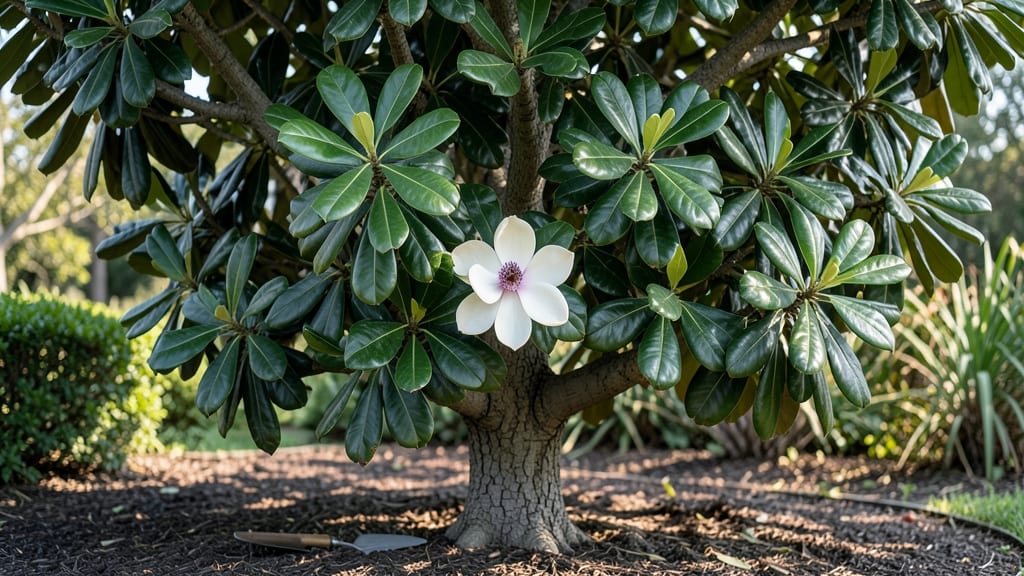
Planting a magnolia flower plant means bringing that intoxicating spring fragrance to your yard—without the fuss of high-maintenance blooms. ✨ I’ve grown magnolias for years, and the secret to their effortless beauty lies in understanding their few but critical needs.
They reward patience with glossy leaves year-round and showstopping blooms that last for weeks.
The right spot makes all the difference: partial shade in hot climates and full sun in cooler zones keeps them thriving. Amend heavy clay soil with compost to improve drainage, and water deeply once a week—more in extreme heat.
Most varieties grow 15–40 feet tall, so plan for their mature size whether planting in the ground or a large container.
By late summer, you’ll notice new growth signaling next year’s blooms. Prune only to shape or remove dead wood, and watch as the tree becomes the fragrant centerpiece of your garden. Even in dormancy, its evergreen foliage adds texture and color.
Works equally well as a standalone specimen or mixed with azaleas and camellias. Once established, magnolias handle drought better than most flowering trees—just avoid soggy soil. Let’s get yours planted for a lifetime of fragrance.
📚 In This Guide
- What you need
- Instructions
- Tips and common mistakes
- Wrapping up and next steps
What you need
- ● Magnolia plant (choose from seeds, cuttings, or a 1-3 gallon container-grown sapling for faster results)
- ● Well-draining potting mix (6-8 bags, 50 lbs each) – Mix with perlite or sand (10-20%) for aeration
- ● Garden soil or loamy topsoil (if planting outdoors, 2-3 cubic yards for mature trees)
- ● Organic compost (1-2 bags, 40 lbs each) – Boosts nutrient content for healthy growth
- ● Slow-release fertilizer (10-10-10 or 8-3-9 blend, 5 lbs) – Apply at planting and again in spring
- ● Gloves (heavy-duty gardening gloves to protect from thorns)
- ● Trowel or spade (for digging holes, 6-8 inches wide for small plants)
- ● Pruning shears (sharp, sterilized shears for trimming dead branches)
- ● Watering can or hose with a gentle spray nozzle (for deep but controlled watering)
- ○ Mulch (optional but recommended) (2-3 bags of pine bark or shredded leaves, 2 cubic feet each)
- ● Support stake (for young trees) (1-2 bamboo or metal stakes, 4-6 feet tall)
- ● Sunlight: 6+ hours of direct sun daily (partial shade for tropical varieties like Magnolia grandiflora)
- ● Climate: USDA Zones 4-9 (check your local hardiness zone for best varieties)
- ● pH Level: Slightly acidic soil (pH 5.0-6.5) – Test with a soil pH kit if unsure
- ● Water source: Access to 1-2 gallons of water per week (more during drought)
Step-by-step guide to planting and caring for magnolia trees
Here’s how to establish a fragrant magnolia that thrives with minimal fuss—once planted right.
🌱 Step 1: Select the Perfect Planting Site
Magnolias demand full sun to partial shade—at least 6 hours of direct sunlight daily—but tolerate afternoon shade in hotter climates. I always dig a hole twice as wide as the root ball to encourage root spread. The soil should drain well but retain moisture; if your yard is clay-heavy, mix in 2-3 inches of organic compost from your list to improve texture.
Test the spot by observing it for a week before planting. If leaves on nearby plants wilt by midday, the area gets too much sun. Magnolias hate soggy roots, so avoid low-lying areas where water pools. A slight mound in the planting hole helps excess water run off naturally.
🪴 Step 2: Plant with Careful Root Handling
Remove the magnolia from its container and loosen any circling roots—this prevents girdling as the tree matures. Place it in the hole so the top of the root ball sits 1-2 inches above ground level; settling will occur over time. Fill the hole with native soil, pressing gently to eliminate air pockets but avoiding compaction.
Water deeply right after planting to settle the soil and eliminate air gaps. You’ll know it’s right when water drains freely from the bottom of the hole without pooling. Mulch with 3 inches of organic mulch (like pine straw or shredded bark) around the base, keeping it 6 inches away from the trunk to prevent rot.
☀️ Step 3: Water Strategically for First-Year Establishment
Newly planted magnolias need deep watering once a week during the first growing season, more often in extreme heat. Water slowly until the soil 6 inches down feels moist—a moisture meter helps here. Overwatering suffocates roots, while underwatering stresses the tree. I check by sticking my finger into the soil; if it’s dry past 2 inches, it’s time to water.
After the first year, magnolias develop deep roots and tolerate drought better. But during dry spells, a soaker hose on low for 20 minutes keeps the root zone hydrated without wetting the foliage. Wet leaves invite fungal diseases, so always water at the base.
✂️ Step 4: Prune for Health and Shape
Prune magnolias only after flowering, typically in late spring or early summer. Remove dead, diseased, or crossing branches first—these compete for resources. For shaping, trim back no more than 25% of the canopy in one season to avoid shocking the tree. Use clean, sharp pruners to make cuts just outside the branch collar.
Watch for water sprouts (suckers) at the base—they drain energy from flowering. Snip them off at the ground level as soon as you spot them. Magnolias bloom on old wood, so avoid heavy pruning in winter; you’ll sacrifice next year’s flowers.
🌿 Step 5: Fertilize Lightly for Long-Term Vigor
Young magnolias benefit from a balanced, slow-release fertilizer applied in early spring. Use ½ the recommended dose—magnolias are sensitive to over-fertilization, which leads to weak wood and fewer blooms. Work it into the top 6 inches of soil around the drip line, not the trunk.
Mature trees rarely need fertilizer unless growth stalls. Instead, focus on mulch replenishment every spring. A 2-inch layer of fresh mulch (like the organic type from your list) retains moisture, regulates soil temperature, and slowly releases nutrients. Keep mulch away from the trunk to prevent rot.
Tips & tricks for perfect magnolia flower plant care
These subtle but critical details will help your magnolia thrive with minimal fuss—once you know where to focus.
Site Selection Insight: When testing your planting spot for 6 hours of sunlight, observe at the hottest part of the day. Southern exposure works best in most climates, but eastern exposure can be gentler in extremely hot regions. I've seen magnolias struggle in western exposures where afternoon sun becomes scorching—watch for leaf scorch as an early warning sign. The slight mound you create in the planting hole isn't just for drainage; it also helps prevent water from pooling around the roots during heavy rains.
Root Handling Technique: The 1-2 inches above ground level placement of your root ball might seem counterintuitive, but this accounts for natural settling. After planting, I press the soil firmly around the edges of the hole to create a slight basin—this helps channel water directly to the roots during those critical first waterings. For container-grown magnolias, gently squeeze the root ball to encourage root spread before planting; this mimics what happens naturally in the wild.
Watering Strategy: That 6 inches down moist guideline is your target, but don't rely solely on finger testing. Invest in a simple moisture meter—it's the only reliable way to check soil moisture at the right depth without disturbing the roots. During extreme heat, I increase watering to twice weekly while keeping the 20-minute soaker hose routine for drought periods. The key is consistency: magnolias prefer steady moisture rather than occasional deep soakings that can lead to root rot.
Pruning Wisdom: The 25% canopy rule is your safety net, but timing matters just as much. I always prune right after flowering when the tree has finished setting buds for next year. Use clean pruners and make cuts at a 45-degree angle just outside the branch collar—this promotes faster healing. For large branches, I make the initial cut from below and complete it from above to prevent tearing. The water sprouts you remove aren't just unsightly; they compete with your magnolia for nutrients that could be going toward those fragrant blooms.
Pro Tips for Magnolia Flower Plant
- These subtle but critical details will help your magnolia thrive with minimal fuss—once you know where to focus.
- Site Selection Insight: When testing your planting spot for 6 hours of sunlight, observe at the hottest part of the day.
- Root Handling Technique: The 1-2 inches above ground level placement of your root ball might seem counterintuitive, but this accounts for natural settling.
Frequently asked questions
Got questions about growing and caring for magnolia flower plants? You’re not alone! Here are some of the most common queries—plus simple, expert-backed answers to keep your magnolia thriving with minimal fuss.
How often should I water my magnolia tree?
Young magnolias need consistent moisture—water deeply 1-2 times per week during the first year to encourage strong root growth. Once established (after 2-3 years), they’re drought-tolerant! Pro tip: Mulch around the base to retain moisture and protect roots from extreme temps.
When is the best time to plant a magnolia?
Plant in early spring or fall (4-6 weeks before the first frost) for ideal results. Avoid summer heatwaves or winter freezes, which can stress young roots. If planting in containers, spring is your best bet! Bonus: Bare-root magnolias can even be planted in late winter (as soon as the ground thaws).
Why are my magnolia leaves turning yellow?
Yellow leaves usually signal overwatering, nutrient deficiency, or fungal issues. Check the soil—it should be slightly moist but not soggy. If roots smell rotten, you may have root rot ( act fast! Trim affected roots and improve drainage). For older trees, a balanced fertilizer in spring can help!
Can I grow a magnolia in a pot? Which varieties work best?
Yes! Dwarf varieties like ‘Little Gem’ or ‘Black Tulip’ thrive in containers (5+ gallon pots). Use well-draining soil and repot every 2-3 years. Place in partial shade and water regularly—potted magnolias dry out faster! Note: Avoid full sun in hot climates to prevent leaf scorch.
Do magnolias need winter protection?
Most magnolias are hardy, but young trees or tender varieties (like ‘Jane’ or ‘Ann’) may need help in harsh winters. Wrap the trunk with burlap and mulch heavily (4-6 inches deep). Avoid heavy snow buildup—gently brush it off to prevent branch damage! Fun fact: Evergreen magnolias provide year-round interest.
Still stumped? Drop your magnolia care dilemma in the comments—we’re happy to help!
Wrapping up and next steps
The magnolia flower plant is a dream for gardeners who crave beauty with minimal fuss—its intoxicating fragrance and stunning blooms make it a standout choice year after year.
Whether you're a seasoned green thumb or just starting, these evergreen (or nearly evergreen!) trees and shrubs reward patience with lush, low-maintenance elegance. Ready to bring a touch of Southern charm to your outdoor space?
Your next step:
- 🌱 Pick your variety (sweetbay, saucer magnolia, or star magnolia?) and check local nurseries or online retailers.
- 📅 Plant in early spring or fall for the best root establishment.
- 💐 Enjoy the process—watch as your magnolia grows into a fragrant, shade-loving centerpiece!