Pruning
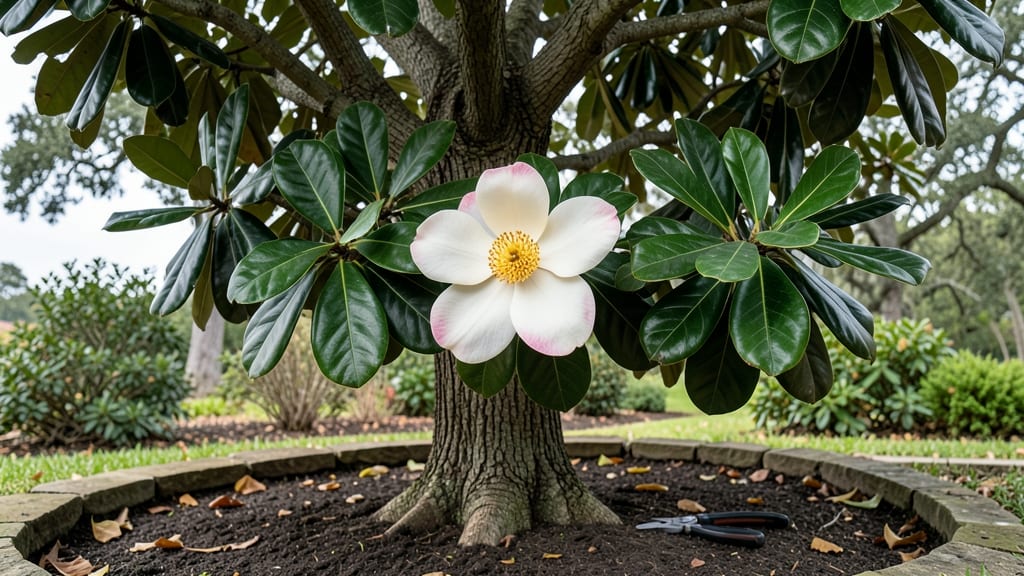
Identifying flowering trees by their blooms and leaves is like reading nature’s secret code—once you know the patterns, every spring walk becomes a discovery. 🌸 I’ve spent years tracking which trees light up my neighborhood first, and the clues are always there if you look closely: the shape of the leaves, the color of the flowers, even the way the bark peels.
A single magnolia bloom in March tells you more about the season than a calendar ever could.
The key is matching what you see to the right season—dogwoods burst with pink in April, while crape myrtles wait until June for their lavender show. Most people overlook bark texture or branch patterns, but those details narrow it down faster than any app.
I’ve used this method to pick shade trees that bloom reliably, and the results? A yard that feels like a botanical garden without the guesswork.
You’ll walk past trees and suddenly recognize them by their habits: the weeping willow’s drooping branches, the Bradford pear’s white clusters, or the sweet gum’s star-shaped leaves. These visual cues make it easier to choose trees that fit your space—whether you want spring color, summer shade, or fall interest.
Next time you spot a tree in bloom, you’ll know exactly what it is and how to grow one yourself.
Works for city sidewalks, suburban yards, or rural landscapes—just bring a notebook and a sharp eye. The more you observe, the more the trees reveal themselves. Let’s decode them together.
The Science Behind Flowering Seasons
Flowering trees burst into bloom thanks to a perfect storm of biological triggers—think of it as nature’s version of a carefully timed recipe. 🌸🌿 Whether your tree is a late-spring magnolia or a winter-blooming cherry, its schedule is dictated by internal genetics, environmental cues, and physiological readiness.
Let’s break down the key reasons why flowering trees follow their seasonal scripts—and why some might skip their cues entirely.
Every flowering tree has an inherent genetic program that dictates when it will bloom. This isn’t just random—it’s hardwired into the species. For example:
- Spring bloomers (e.g., dogwood, redbud): These trees are primed to flower as soon as winter’s chill is broken. Their buds form the previous summer and remain dormant until chilling hours (a specific number of cold nights) signal safety to bloom. Miss those hours? No flowers.
- Summer bloomers (e.g., crape myrtle, catalpa): These rely on day length (photoperiod) and warm soil temperatures. Once days lengthen and roots warm up, they trigger flowering hormones like florigen, a protein that kickstarts bloom production.
- Fall/winter bloomers (e.g., witch hazel, fringe tree): These are outliers! They often bloom on old wood (last year’s growth) and may need a second chill period after initial bud set to push flowers.
Actionable tip: If your tree isn’t flowering, check its species’ native climate. A tropical tree forced into a cold zone might never sync its internal clock. 🌡️
Many flowering trees need a minimum number of cold hours (usually 200–1,000+ per winter) to break dormancy and produce flowers. This is called chill requirement, and it’s why:
- Southern climates may struggle with trees like peach blossoms or Japanese maples, which need deep winter chills.
- Unpredictable warm spells (e.g., a 70°F February day) can reset the chill count, delaying or preventing blooms.
- Young trees or newly planted ones may not have enough stored energy to meet the chill demand.
What to do: If your region lacks chill hours, choose low-chill varieties (e.g., Prunus ‘Okame’ cherry for mild winters) or use artificial chilling (like a cold storage trick for potted trees). ❄️
Flowering isn’t just about cold—it’s also about warmth, sunlight, and even stress responses. Here’s how:
| Trigger | Effect on Flowering | Example Trees |
|---|---|---|
| ⏳ Day Length (Photoperiodism) | Short-day plants (like dogwood) bloom when days shorten; long-day plants (like apple trees) wait for longer daylight. | Serviceberry, Bradford pear |
| 🌡️ Soil Temperature | Roots must reach 50–60°F to send nutrients to buds. Cold soil = stalled blooms. | Magnolia, Crape myrtle |
| 💦 Water Stress | Moderate drought can trigger flowering in some trees (e.g., olive trees), but overwatering or poor drainage can prevent bud formation. | Japanese maple, Ginkgo |
| 🌿 Pruning Timing | Cutting at the wrong time (e.g., after buds form) removes next year’s flowers. Evergreens like camellias bloom on old wood—prune after flowering! | Camellia, Hydrangea |
Pro tip: Use a soil thermometer to monitor root-zone temps. If your tree’s soil stays too cold, mulch thicker (3–4 inches) to insulate roots. 🌡️
Sometimes, the reason your tree isn’t flowering isn’t about timing—it’s about health crises. Common culprits include:
- Fungal infections (e.g., anthracnose, powdery mildew): These can distort or kill flower buds before they open. Look for blackened buds or white powder on stems.
- Insect damage (e.g., borers, scale, spider mites): Sap-sucking pests weaken the tree’s energy reserves, leaving nothing for blooms. Heavy infestations can cause bud drop.
- Bacterial blight (e.g., fire blight in pears): Causes oozing cankers that girdle branches, starving buds of nutrients.
First aid: Prune out infected branches in dormant season (winter) and treat with neem oil or copper fungicide if pests are visible. 🛡️
A tree can’t flower if it’s malnourished. Key deficiencies that sabotage blooms:
- Nitrogen (N): Too little = weak growth; too much = leafy but no flowers.
- Phosphorus (P): Critical for energy transfer to buds. Yellowing leaves with dark green veins? Likely P-deficient.
- Potassium (K): Helps regulate water and nutrient uptake. Brown leaf edges = possible K deficiency.
- Micronutrients (Zinc, Boron, Magnesium): Even tiny shortages can prevent bud formation.
Fix it: Test your soil (pH matters!) and amend with bone meal (P) or greensand (K). Avoid synthetic fertilizers high in N if flowering is the goal. 📊
Quick Fixes for Tree ID Confusion
Struggling to pinpoint that mysterious flowering tree in your yard? Don’t stress—here’s a step-by-step guide to solving the puzzle with ease. Whether you’re dealing with seasonal blooms, leaf shape mix-ups, or just plain forgetfulness, these practical solutions will help you identify flowering trees like a pro.
If your tree is flowering but the blooms alone aren’t giving it away, focus on these key features:
🌸 Step 1: Observe Bloom Time
Flowering trees bloom at different times of the year, and this is often your first clue. Use this quick reference table to match your tree’s bloom season:
| Season | Likely Trees | Key Features |
|---|---|---|
| Early Spring (March-April) | Magnolia, Redbud, Cherry | Bright, showy blooms before leaves emerge |
| Late Spring (May-June) | Crabapple, Dogwood, Lilac | Leaves may appear as flowers fade |
| Summer (July-August) | Catalpa, Crape Myrtle, Jacaranda | Tropical-looking blooms, often fragrant |
| Fall (September-October) | Sweetgum, Smoketree, Some Oaks | Unique seed pods or colorful fall foliage |
💡 Pro Tip: Keep a small notebook or use your phone to jot down bloom times and colors. A photo app like PlantNet can also help compare your tree to a database.
Leaves are the ultimate giveaway once flowers fade. Here’s how to decode them:
🌿 Simple Leaf Shapes to Spot
- Oval/Elongated: Cherry, Magnolia, Willow
- Heart-Shaped: Redbud, Horse Chestnut
- Lobed: Sweetgum, Oak (though oaks aren’t typically flowering trees, their leaves can help rule out others)
- Compound (Multiple Leaflets): Catalpa, Kentucky Coffeetree
📐 Leaf Arrangement Matters Too
- Alternate: Leaves stagger up the stem (e.g., Dogwood, Crape Myrtle).
- Opposite: Leaves grow in pairs at each node (e.g., Lilac, Fothergilla).
🔥 Quick Fix: Snap a photo of the leaf and the bark. Bark texture (smooth, ridged, peeling) can be another dead giveaway—think of the papery bark of a Birch or the deeply furrowed trunk of an Oak.
Not all flowering trees grow to the same height or shape. Ask yourself:
- Is it a small shrub (e.g., Lilac, Forsythia) or a tall canopy tree (e.g., Magnolia, Tulip Tree)?
- Does it have a weeping habit (e.g., Weeping Cherry) or upright, vase-like branches (e.g., Crape Myrtle)?
🎯 Prevention Tip: If you’re planting a new tree, research its mature size beforehand to avoid future ID headaches. A 60-foot Tulip Tree won’t fit in a small backyard!
When in doubt, let technology lend a hand: - Plant Identification Apps: Try PictureThis, Google Lens, or LeafSnap—upload a photo, and they’ll suggest matches. - Local Arboretum Resources: Many cities have free tree ID guides or hotlines.
Call your local nursery or extension office for expert advice. - Online Forums: Post in gardening groups like r/whatsthisplant on Reddit or Gardeners.com for crowd-sourced help.
✨ Bonus Hack: If your tree has fruit or seed pods, save a sample. Some trees (like Ginkgo or Horse Chestnut) are easier to ID from their unique seed structures.
Once you’ve cracked the code, keep these tricks up your sleeve: 1. Label Your Trees: Use stakes or engraved metal tags with the tree’s name and planting date.
- Seasonal Check-Ins: Schedule a quick walk around your yard in spring (for buds), summer (for leaves), and fall (for seed pods).
- Join a Tree Walk: Local botanical gardens often host guided tours—great for learning and networking with fellow plant enthusiasts.
- Invest in a Field Guide: A book like National Audubon Society Field Guide to North American Trees is a gardener’s best friend.
By combining seasonal clues, leaf analysis, and a little tech help, you’ll never be stumped by a flowering tree again. Happy identifying! 🌺🌿
Frequently asked questions
How can I tell the difference between a flowering tree and a shrub?
Flowering trees typically have a single main trunk and grow much taller (over 20 feet), while shrubs have multiple stems and stay under 15 feet. Look for the tree’s height, trunk thickness, and branching pattern—trees usually have a clear central leader branch. Lilacs and forsythias are common shrubs, while dogwoods and magnolias are classic trees.
Why does my flowering tree only bloom occasionally?
Many flowering trees need specific conditions to bloom reliably, like enough chill hours (cold winter nights) or proper sunlight. If your tree skips blooms, check if it’s getting 6+ hours of sunlight daily and isn’t stressed by drought or poor soil. Some varieties, like Bradford pears, also decline after 15-20 years.
Can I identify a tree just by its flowers?
Flowers alone often aren’t enough—you’ll need to combine them with leaf shape, bark texture, and growth habit. For example, pink flowers could belong to a cherry tree, dogwood, or crabapple. Always check the leaves and branches too. Apps like LeafSnap help cross-reference these features.
What’s the best time of year to identify flowering trees?
Spring and early summer are ideal because that’s when most trees bloom before or with their leaves. Fall is great for identifying trees by their seed pods or fall foliage, while winter reveals unique bark patterns. Keep a seasonal checklist to track changes throughout the year.
Are there any toxic flowering trees I should avoid?
Yes! Some common flowering trees have toxic parts, like oleander (all parts poisonous) or cherry trees (pits contain cyanide). Always research before planting near children or pets. Safe alternatives include dogwood, magnolia, and crabapple varieties.