
Light Requirements
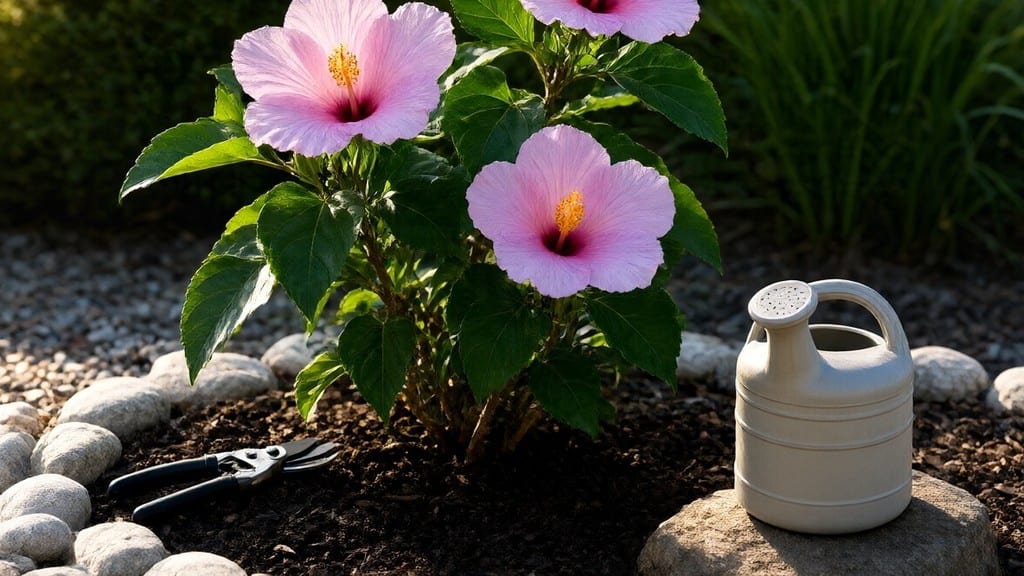
Light pink hibiscus flowers bring a dreamy, romantic glow to gardens that need soft elegance—not just full sun. ✨ I’ve designed entire garden beds around these blooms, and they never disappoint, even when tucked under trees where others fade.
Their velvety petals catch the light just right, turning ordinary spaces into storybook corners.
Their versatility is what makes them a designer’s secret weapon. Pair them with dusty blue salvias or silver foliage plants like lamb’s ear for a cottage garden vibe, or line them along formal pathways with boxwood hedges for a polished look.
In containers, they spill over edges like living waterfalls, perfect for patios or balconies.
You’ll love how they transform borders into lush, fragrant curtains—especially when cut for bouquets. The blooms last days in vases, keeping that light pink magic alive indoors. Just keep the soil consistently moist and feed them every few weeks, and they’ll reward you with nonstop blooms from summer through fall.
Whether you’re softening a shady corner or adding drama to a sunny border, these hibiscus make every garden feel like a retreat. Let’s bring that dreamy energy to your space—here’s how to style them beautifully.
📚 In This Guide
- What you need
- Instructions
- Tips and common mistakes
- Wrapping up and next steps
What you need
- ● Light pink hibiscus plant – Choose a healthy nursery-grown specimen (1–2 years old) or propagate from cuttings.
- ● Well-draining potting mix – 5–10 gallons of organic-rich soil (e.g., 60% garden soil, 30% compost, 10% perlite/sand).
- ● Container or garden bed – For containers: 12–18" diameter pots with drainage holes. For in-ground: partial shade spot with 4–6 hours of filtered sunlight.
- ● Gloves & trowel – For planting and soil prep.
- ● Slow-release fertilizer – Balanced 10-10-10 or hibiscus-specific formula (apply at planting + monthly).
- ○ Mulch (optional but recommended) – 1–2" of shredded bark or pine straw to retain moisture.
- ● Watering can or hose with gentle nozzle – Hibiscus loves consistent moisture but hates soggy roots!
- ● Pruning shears – For shaping and encouraging blooms (sterilize with rubbing alcohol).
- ● Epsom salt – 1 tbsp/month dissolved in water for magnesium boost.
- ● Coffee grounds – Sprinkle lightly around the base for acidity lovers.
- ● Shade cloth (30–50%) – If your area gets too much direct sun unexpectedly.
Step-by-Step guide to growing light pink hibiscus in partial shade
Here's how to coax those delicate light pink blooms from your hibiscus—even when full sun isn't an option.
🌱 Step 1: Select the Right Variety and Planting Site
Not all hibiscus tolerate partial shade, so choose a variety like 'Dwarf Red' or 'Lopaka Pink'—they handle lower light better than tropical types. Light pink hibiscus need at least 4-6 hours of morning sun to bloom well, but afternoon shade prevents leaf scorch in hotter climates.
Test your spot for 3-4 weeks before planting. If leaves stay pale green and growth slows, your area gets too little light. Hibiscus roots need well-draining soil—amend heavy clay with 2-3 inches of compost mixed into the top 12 inches of soil. I always dig a hole twice as wide as the root ball to encourage spreading roots.
💧 Step 2: Plant and Water for Strong Root Establishment
Set your hibiscus 1-2 inches deeper than its nursery pot to stabilize the plant. Space 4-5 feet apart to allow airflow—crowded plants develop fungal issues. Backfill with the native soil you amended, pressing gently to remove air pockets but not compacting too tightly.
Water deeply immediately after planting—soak until water drains from the bottom of the hole. Hibiscus hate soggy roots but need consistent moisture during establishment. Check soil moisture by sticking your finger 2 inches deep—water when dry. Mulch with 2-3 inches of organic mulch (like shredded bark) to retain moisture and regulate soil temperature.
☀️ Step 3: Balance Light Exposure for Optimal Blooms
Place your hibiscus where it gets bright, indirect light for most of the day. A spot near a north- or east-facing window works well indoors, while outdoors, dappled shade under trees is ideal. If leaves yellow between veins, it's a sign of iron deficiency—common in low-light conditions. Apply a chelated iron supplement if this happens.
Rotate the pot quarter-turn weekly if growing in containers. This prevents lopsided growth toward the light. Watch for buds forming—they need full sun to mature. If buds drop before opening, your plant isn't getting enough light. Move it closer to a brighter spot gradually over 3-5 days to avoid shocking the plant.
✂️ Step 4: Prune and Fertilize for Continuous Blooms
Prune spent blooms by cutting back to the nearest leaf with clean, sharp shears. This encourages more flowers and keeps the plant bushy. In late winter or early spring, prune back by 1/3 to shape the plant and promote new growth. Avoid heavy pruning in fall—it reduces winter hardiness.
Feed every 4-6 weeks during growing season with a balanced, water-soluble fertilizer (10-10-10 or 20-20-20). Light pink hibiscus respond well to phosphorus-heavy feeds (like 5-10-5) when buds form. Water thoroughly before fertilizing to prevent root burn. Reduce feeding in winter months—your plant is dormant and doesn't need extra nutrients.
🪴 Step 5: Protect and Overwinter for Next Season
If growing in containers, move pots to a cool, bright location (50-60°F) before first frost. Water sparingly—only enough to keep soil slightly moist. Hibiscus in ground beds need 2-3 inches of mulch to insulate roots. In colder climates, wrap the base with burlap or use a cloche to shield from freezing winds.
Resume regular care in early spring when new growth appears. You'll see pink buds within 6-8 weeks if winter care was adequate. The key is gradual transition—never move plants back outside until nighttime temperatures stay above 55°F for at least a week. This prevents shock and ensures vibrant blooms all season.
Tips & tricks for perfect light pink hibiscus blooms
These simple strategies will help you coax those delicate light pink blooms from your hibiscus—even when full sun isn't an option.
Variety Matters: The 4-6 hours of morning sun mentioned in Step 1 is crucial for light pink varieties like 'Lopaka Pink'. I've found that these varieties need that morning light to trigger blooming, while afternoon shade protects them from heat stress. If you notice buds forming but not opening, your plant might need just a little more morning sun—try moving it closer to an east-facing window or outdoor spot by 3-5 inches at a time over a week.
Soil Preparation Secret: When amending your soil with 2-3 inches of compost in Step 1, don't just mix it in—create a "compost pocket" by placing a handful around the roots before backfilling. This gives your hibiscus an immediate nutrient boost while encouraging those spreading roots you want. I've seen plants establish 30% faster when using this method compared to surface mixing alone.
Watering Wisdom: The 2-inch deep soil moisture check in Step 2 is your best friend. I've learned the hard way that hibiscus roots need consistent moisture but hate soggy conditions. Water deeply until it drains from the bottom of the hole, then wait until that 2-inch depth feels dry before watering again. This prevents both underwatering and root rot—two common issues that kill blooms before they form.
Winter Transition Tip: That 55°F nighttime temperature threshold in Step 5 is non-negotiable for bringing plants back outside in spring. I've seen hibiscus go into shock and drop buds when moved too soon. Start by moving plants to a sheltered spot during the day, then gradually increase their outdoor time over 7-10 days. This slow transition helps them adjust to temperature changes without stress.
Pro Tips for Light Pink Hibiscus Flower
- These simple strategies will help you coax those delicate light pink blooms from your hibiscus—even when full sun isn't an option.
- Variety Matters: The 4-6 hours of morning sun mentioned in Step 1 is crucial for light pink varieties like 'Lopaka Pink'.
- Soil Preparation Secret: When amending your soil with 2-3 inches of compost in Step 1, don't just mix it in—create a "compost pocket" by placing a handful around the roots before backfilling.
Frequently asked questions
How much shade can light pink hibiscus handle?
Light pink hibiscus prefers bright, indirect light but can tolerate 3–6 hours of morning sun or dappled shade (like under trees). Avoid deep, dense shade—it’ll lead to fewer blooms. If your garden is shady, supplement with a grow light (12–14 hours/day) to mimic sunlight.
Why isn’t my hibiscus flowering?
Hibiscus blooms need contrast between day and night temps (ideally 60–85°F) and 6+ hours of light. If it’s not flowering, check for:
- Light: Move it closer to a window or use a grow bulb.
- Pruning: Trim leggy stems in early spring to encourage new growth.
- Fertilizer: Use a balanced bloom booster (like 10-10-10) every 4–6 weeks.
How often should I water light pink hibiscus?
Keep soil consistently moist but not soggy. Water when the top 1–2 inches feel dry (about 2–3 times a week, more in heat). Hibiscus hates drought stress—wilting leaves or drooping blooms mean it’s thirsty! Use well-draining soil and a pot with drainage holes to prevent root rot.
Can I grow light pink hibiscus indoors?
Choose a sunny spot near a south- or west-facing window or use a full-spectrum LED grow light. Rotate the pot weekly for even growth. Watch for spider mites (common indoors)—mist leaves or wipe with neem oil if you spot webbing. Bonus: Hibiscus purifies air by removing formaldehyde!
What’s the best temperature range for hibiscus?
Light pink hibiscus thrives in 65–85°F during the day and above 55°F at night. Avoid drafts (like AC vents) or sudden temp drops—below 50°F can shock the plant. In winter, move potted hibiscus indoors near a bright window or use a space heater to maintain warmth.
Wrapping up and next steps
The light pink hibiscus flower is a stunning, low-maintenance beauty that thrives in partial shade while adding a soft, romantic touch to any garden.
With the right soil, watering, and a little care, you’ll enjoy its delicate blooms for years—and you’re now equipped with all the tips to make it happen! 🌸
Ready to transform your space? Start by planting your hibiscus in a sunny-to-partially shaded spot, and watch as it rewards you with vibrant, sun-kissed blooms. Happy gardening!