
Tools
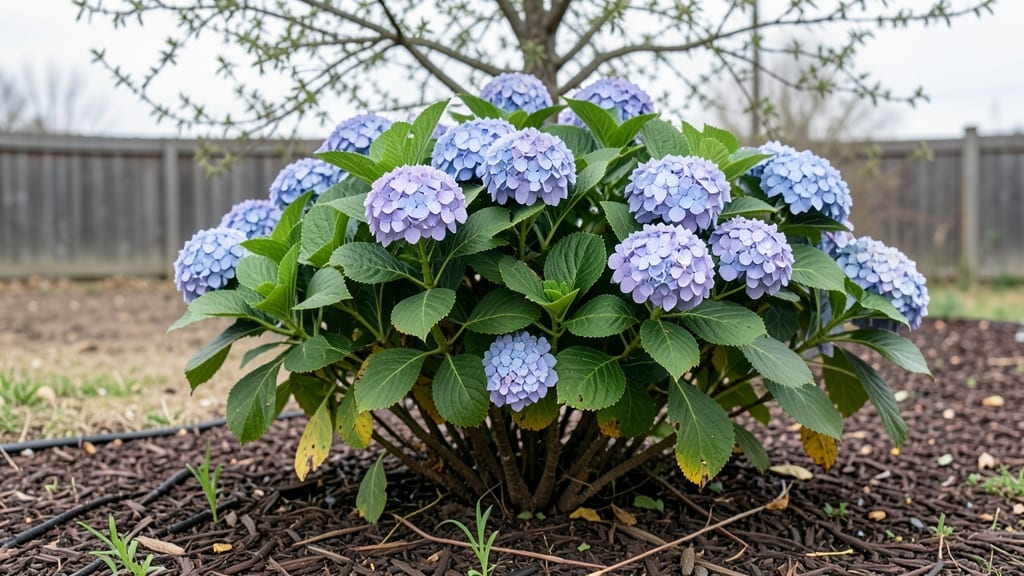
A flower garden around tree transforms bare ground into a lush, ever-changing tapestry that even the busiest gardener can maintain. 🌿 I learned the hard way that planting too close to roots competes for water and nutrients, but the right spacing and shade-tolerant choices create a thriving understory that needs only occasional trimming.
The secret lies in pairing fast-spreading ground covers like creeping phlox or ajuga with taller perennials such as astilbes and ferns—plants that tolerate root competition while adding texture and seasonal blooms. Mulch heavily (3-4 inches) to protect roots and suppress weeds, then step back and let nature do the work.
By spring, you’ll see delicate hellebores peeking through, followed by summer astilbe spikes and fall witch hazel blooms—all while the tree’s canopy provides shade that keeps maintenance to a minimum. The result is a garden that feels intentional yet requires less pruning than most borders.
Works for both mature shade trees and young saplings, adapting to sun or partial shade conditions. Let’s make that tree’s base the garden’s star feature without the upkeep headaches.
📚 In This Guide
- What you need
- Instructions
- Tips and common mistakes
- Wrapping up and next steps
What you need
- ● Soil amendments: Compost (5-10 gallons) – improves drainage and nutrient retention
- ● Mulch (2-3 bags, 2-3 cubic feet each) – retains moisture and suppresses weeds (pine straw, wood chips, or shredded bark work well)
- ● Plants (perennial & seasonal for year-round color): 5-10 shade-tolerant perennials (e.g., Heuchera, Hosta, or Astilbe)
- ● 3-5 bulbs (e.g., Daffodils, Tulips, or Allium) for spring blooms
- ● 1-2 annuals (e.g., Impatiens or Fuchsia) for quick summer color
- ● Tools: Garden trowel (1)
- ● Pruners (1 pair, bypass preferred for clean cuts)
- ● Garden gloves (1 pair, durable for digging)
- ● Measuring tape (1, 25-foot)
- ● Wheelbarrow or large bucket (1, for hauling soil/mulch)
- ● Prerequisites: Tree with a minimum 3-foot diameter canopy (avoid young or delicate trees)
- ● Well-draining soil (amend with compost if clay-heavy)
- ● Sunlight assessment (partial shade to full shade, depending on tree type)
- ● Edging tool (1) – for clean garden borders
- ● Garden stakes or labels (5-10) – to track plant placements
- ● Slow-release fertilizer (1 bag) – for extra nutrient boost
- ● Drip irrigation kit (1) – for low-maintenance watering
- ● Rocks or decorative stones (1-2 bags) – for a polished look
How to design a low-maintenance flower garden around your tree
Here's the simple approach I use to create vibrant, year-round color that thrives beneath mature trees.
🌱 Step 1: Assess Your Tree's Light and Root Conditions
Start by observing your tree's canopy and root zone. Most shade-tolerant perennials thrive in the dappled light beneath the outer branches, while sun-loving annuals need the open areas where branches don't fully extend. I mark these zones with colored stakes—blue for full shade, yellow for partial shade, and red for sun patches.
Next, identify your tree's root spread by looking for raised soil or where the trunk flares outward. Avoid planting directly over these roots—keep flowers at least 3-4 feet away from the trunk. You'll notice the soil in these areas stays consistently moist, which means you'll need well-draining soil mixes for most plants.
🪴 Step 2: Prepare the Planting Area with Mulch and Soil Amendments
Clear all weeds and debris from the planting area using the landscape fabric and staple gun to create a weed barrier. Leave a 2-inch border of bare soil around the tree trunk to prevent moisture buildup against the bark. Cut the fabric into 12-inch wide strips and lay them in concentric circles around the tree, overlapping edges by 4 inches.
Spread the 3 inches of mulch over the fabric, keeping it 6 inches away from the tree trunk. Mulch helps regulate soil temperature and retain moisture, but too much piled against the trunk can cause rot. I like to use the wood chips> because they break down slowly and improve soil structure over time.
☀️ Step 3: Select Plants for Seasonal Interest and Low Competition
For year-round color, I divide the garden into layers. In the outer sun zone, I plant 2-3 annuals> like impatiens or begonias for bold summer color. In the partial shade> area, I choose hostas and ferns> for lush foliage, while the deepest shade> gets heuchera and coral bells> that thrive with minimal light.
I always include 1-2 perennials> like astilbe or ajuga> that spread slowly but reliably. These plants handle the root competition better than fast-growing annuals. The key is choosing species native to your region—they're already adapted to your tree's soil conditions and require less maintenance.
✂️ Step 4: Plant and Water for Establishment
Dig holes twice as wide> as the root ball but only as deep> as the container. Loosen the roots gently if they're circling, then place each plant in its hole and backfill with the native soil> mixed with 1 part compost>. Water each hole until it's saturated to 6 inches deep>—you'll know it's right when water pools on the surface but doesn't run off.
After planting, I water deeply every other day> for the first 2 weeks> to encourage root growth. The mulch helps retain this moisture, but check the soil with your finger—it should feel damp but not soggy. Avoid overhead watering once plants are established; instead, water at the base to prevent fungal diseases that thrive in damp foliage.
🌿 Step 5: Maintain with Seasonal Care and Minimal Pruning
Once established, this garden needs only monthly watering> during dry spells. In early spring, I remove any dead foliage from perennials but leave last year's stems on plants like heuchera>—they provide winter interest and protect emerging shoots. I also top-dress with 1 inch of compost> in spring to replenish nutrients without disturbing roots.
For pruning, I only cut back overgrown annuals> in late summer to encourage new blooms before fall. Perennials like astilbe> rarely need pruning—they self-clean by dropping old foliage naturally. The mulch breaks down slowly, so I refresh it every 2-3 years> to maintain its moisture-retaining properties.
Tips & tricks for perfect flower gardens around trees
Creating a stunning flower garden beneath your tree doesn't have to be complicated—these practical tips will help you avoid common pitfalls and create a thriving, low-maintenance space.
Light Mapping Strategy: In Step 1, when you're marking those light zones, I recommend using a small mirror to check light patterns throughout the day. Trees cast different shadows at different times—what's full shade at noon might get morning sun. This helps you place sun-loving annuals exactly where they'll thrive.
Root Zone Protection: The 3-4 feet clearance from the trunk in Step 1 is crucial, but here's what nobody tells you: those roots extend far beyond what you see. If you notice new shoots popping up near your garden edges, they're likely surface roots. Trim them back carefully to protect your plants from competition.
Mulch Application Technique: When you're spreading that 3 inches of wood chips in Step 2, don't just pile it randomly. Create gentle slopes away from the tree trunk to ensure proper drainage. I also recommend leaving small gaps between mulch strips to prevent moisture buildup that can cause rot near the base.
Seasonal Plant Rotation: For Step 3, consider adding a few optional bulb plants like daffodils or crocuses in the deepest shade areas. They'll provide early spring color before your perennials wake up, and you can remove them after blooming to minimize competition. This gives you color when your garden is otherwise dormant.
Pro Tips for Flower Garden Around Tree
- Creating a stunning flower garden beneath your tree doesn't have to be complicated—these practical tips will help you avoid common pitfalls and create a thriving, low-maintenance space.
- Light Mapping Strategy: In Step 1, when you're marking those light zones, I recommend using a small mirror to check light patterns throughout the day.
- Root Zone Protection: The 3-4 feet clearance from the trunk in Step 1 is crucial, but here's what nobody tells you: those roots extend far beyond what you see.
Frequently asked questions
Got questions about creating a stunning flower garden around a tree? You’re not alone! Here are answers to the most common queries to help you design with confidence—and minimal stress.
What’s the best distance to plant flowers from a tree trunk?
Keep flowers at least 3–5 feet from the trunk to avoid competing with the tree’s roots for water and nutrients. For smaller trees or shrubs, 2 feet is fine. Use mulch (but keep it 3 inches away from the trunk) to protect roots while allowing airflow to prevent disease.
When is the ideal time to plant flowers around a tree?
Plant in early spring or fall when temperatures are mild and rainfall is consistent. Avoid summer heat or winter frost, which can stress young plants. Pro tip: If planting in late spring/summer, water deeply 2–3 times per week until established.
What are low-maintenance flower options for tree gardens?
Opt for drought-tolerant, shade-adapted perennials like:
- Hosta (shade-loving, lush foliage)
- Bleeding heart (Dicentra) (delicate flowers, minimal pruning)
- Ferns (textural, thrives in low light)
- Liriope or Mondo grass (ground cover, pest-resistant)
How do I prevent flowers from being shaded out by the tree?
Choose understory plants that tolerate partial shade (e.g., heuchera, ajuga, or astilbe). If the tree is young, prune lower branches to allow light to reach the garden bed. Warning: Avoid heavy pruning in late summer—it stresses trees and attracts pests.
Why are my flowers dying near the tree? Common fixes.
Check for these issues:
- Competition: Tree roots may be stealing nutrients. Solution: Add compost to the soil annually.
- Overwatering: Water at the drip line (not the trunk) to encourage deep root growth.
- Pests/disease: Yellowing leaves? Fungal issues thrive in damp soil. Solution: Improve drainage with gravel or sand.
Wrapping up and next steps
Creating a flower garden around a tree is a rewarding way to add beauty to your landscape with minimal upkeep! By choosing the right plants, mulching wisely, and embracing seasonal blooms, you’ll enjoy year-round color without the hassle of constant pruning. 🌸
Now that you’re inspired, why not start small? Pick one tree or corner of your yard and test a few of these low-maintenance ideas. Before you know it, your garden will be a vibrant, thriving haven—one blooming season at a time!