
Pruning
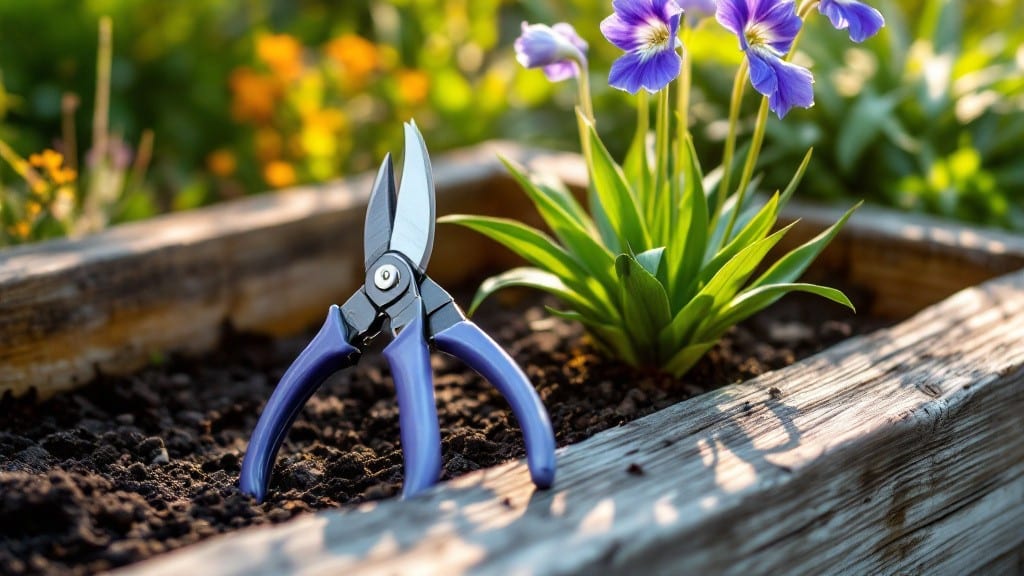
Cutting back balloon flowers transforms a tired summer plant into a springboard for next year’s showstopper blooms. I’ve watched my own Platycodon grandiflorus go from ragged stems to lush, compact clumps just by timing the cuts right—and avoiding the common mistakes most gardeners make.
The key? Don’t wait until the flowers fade completely, and never hack it back to the ground unless you’re in a cold climate.
You’ll need sharp bypass pruners (dull shears crush stems), a pair of gloves, and a clear day when the plant’s done flowering but still has 3-4 inches of healthy growth left.
Cut each spent bloom stalk down to a clean pair of leaves just above a leaf node—this is where new buds form.
For late fall prep in Zone 5 and colder, trim the entire plant back by half to protect it from winter winds, but leave a 2-inch stub to shield the crown.
The payoff? By next spring, you’ll see denser foliage, taller stems, and more blooms than ever before. The secret’s in the growth hormones: cutting at the right spot signals the plant to redirect energy into roots and next year’s flower buds.
And here’s the best part—balloon flowers bounce back like weeds after proper pruning, so you’ll never have to worry about killing them off.
Whether you’re dealing with a single pot plant or a border full of them, this method works the same. The only rule? Never cut into woody stems—that’s where next year’s blooms hide. Now grab those shears and let’s get pruning!
📚 In This Guide
- What you need
- Instructions
- Tips and common mistakes
- Wrapping up and next steps
What you need
- ● Pruning shears or bypass pruners: Sharp, clean, and sterilized (1 pair). Avoid dull blades—they crush stems instead of cutting cleanly.
- ● Garden gloves: Durable, cut-resistant (1 pair) to protect your hands from thorns or rough stems.
- ● Disinfectant (70% isopropyl alcohol or bleach solution): 1:9 ratio bleach-to-water to sterilize tools between cuts and prevent disease spread.
- ○ Garden twine or plant ties: Optional but helpful for securing heavy stems after pruning.
- ● Compost bin or garden waste bag: For disposing of pruned stems (1-2 bags/bin).
- ● Best time to prune: Early spring (before new growth) or late fall (after blooming season) for optimal results.
- ● Weather conditions: Overcast or early morning to avoid stressing the plant with midday sun.
- ● Plant health check: Ensure your Balloon Flowers are free of pests or disease before pruning.
- ● Fertilizer (balanced 10-10-10 or slow-release granules): 1 tbsp per plant to replenish nutrients after pruning.
- ● Mulch (organic or inorganic): 2-3 inches thick to retain moisture and protect roots.
- ● Plant markers or labels: If you have multiple varieties, keep track of what’s what!
Instructions for cutting back balloon flowers
Here’s how to revive your balloon flowers and encourage a second flush of vibrant blooms.
Identify Dead and Dying Stems
Start by examining each stem carefully. Look for brown, crispy foliage or stems that snap easily when bent—these are dead and should be removed first. Balloon flowers often have hollow stems, so if a stem feels soft or mushy inside, it’s likely diseased and needs pruning. Use clean, sharp pruners to cut these stems back to the base of the plant.
Don’t worry about missing a few—balloon flowers are forgiving. The key is removing only what’s clearly dead or damaged. If you’re unsure, wait a day and check again. Healthy stems will feel firm and green, even if they’re not blooming yet.
Trim Back Overgrown or Leggy Growth
Next, focus on stems that are tall but bare, with no leaves or flowers. These leggy stems compete with the plant for energy and rarely produce blooms. Cut them back by about one-third of their height, just above a set of leaves or a leaf node. This encourages the plant to branch out and grow bushier, leading to more flowers.
If you’re unsure where to cut, look for small buds or leaf nodes along the stem. These are the spots where new growth will emerge. Avoid cutting into woody or thick stems—balloon flowers are tender and don’t regenerate well from old wood.
Deadhead Spent Blooms for Extended Flowering
After trimming back dead stems, turn your attention to the flowers. Balloon flowers produce striking blooms, but they’ll stop producing if you don’t remove spent ones. Use your fingers or pruners to pinch off the flower heads just above the first set of leaves below the bloom. This redirects the plant’s energy toward new flowers instead of seed production.
You’ll know you’ve done it right when you see fresh buds forming along the stems within 2-3 weeks. If you’re pruning in early summer, you might even get a second round of blooms by late summer or early fall. Just keep an eye out for new growth—it’s your signal that the plant is responding well.
Lightly Prune for Shape and Airflow
Finally, give your balloon flowers a light shape-up. Use your pruners to trim any stems that are rubbing against each other or growing inward. This improves airflow, which reduces the risk of fungal diseases like powdery mildew. Aim for an open, airy shape—balloon flowers thrive when they’re not crowded.
If your plant is particularly bushy, you can also thin out some of the oldest stems to make room for newer growth. Balloon flowers are perennial in many climates, so a little pruning now will pay off with stronger growth next season. Just avoid cutting back more than one-third of the plant at once—this can stress the roots.
Fertilize and Water After Pruning
Once you’ve finished pruning, give your balloon flowers a boost to recover. Water deeply at the base of the plant, ensuring the soil is moist but not soggy. Then, apply a balanced, water-soluble fertilizer (like a 10-10-10 mix) at half strength. This encourages new growth without overwhelming the plant.
Over the next 1-2 weeks, keep the soil consistently moist but not waterlogged. You’ll start to see new leaves and buds forming, which means your pruning was successful. If you notice any yellowing leaves, it’s a sign of overwatering—let the soil dry out slightly before watering again.
Tips & tricks for cutting back balloon flowers
Reviving your balloon flowers with proper pruning can transform a struggling plant into a vibrant, blooming beauty. Here's how to maximize your success.
Pruning Tools Matter: Always use clean, sharp pruners to make precise cuts. Dull blades can crush stems, inviting disease and stressing the plant. I sterilize my pruners with rubbing alcohol between cuts when dealing with multiple stems—this prevents spreading any potential pathogens from diseased areas to healthy parts of the plant. Balloon flowers are delicate, so clean cuts heal better and encourage faster regrowth.
The One-Third Rule: When trimming leggy stems in Step 2, cutting back by one-third is ideal, but don't cut into woody stems. Look for the transition point where the stem becomes thicker and harder—this is old wood that won't regenerate. I've learned this the hard way after accidentally cutting too much and watching my plant struggle to recover. Focus on the upper third where you see leaf nodes or buds, as these are the growth points that will produce new blooms.
Deadheading Timing: In Step 3, you'll notice fresh buds forming within 2-3 weeks after deadheading. This is your plant's way of telling you it's happy! I've found that deadheading in early summer gives me the best chance for a second flush of blooms by late summer or fall. Just be patient—new growth takes time, and rushing the process can stress the plant. Keep an eye on the soil moisture during this period, as new growth is more sensitive to water fluctuations.
Fertilizer Timing: After pruning, apply your balanced fertilizer at half strength to avoid overwhelming the plant. I use a 10-10-10 mix diluted with water, applied directly to the soil at the base. This gentle boost helps the plant recover without causing a sudden growth spurt that could stress the roots. Over the next 1-2 weeks, monitor the soil moisture closely—consistent moisture without waterlogging is key to successful regrowth.
Pro Tips for Cutting Back Balloon Flowers
- Reviving your balloon flowers with proper pruning can transform a struggling plant into a vibrant, blooming beauty.
- Pruning Tools Matter: Always use clean, sharp pruners to make precise cuts.
- The One-Third Rule: When trimming leggy stems in Step 2, cutting back by one-third is ideal, but don't cut into woody stems.
Frequently asked questions
Got questions about pruning your balloon flowers (Platycodon grandiflorus)? You’re not alone! Here are some of the most common concerns—and straightforward answers to keep your plants thriving.
When is the best time to cut back balloon flowers?
Prune your balloon flowers after they’ve finished blooming in late summer or early fall. This gives the plant time to recover before winter. Avoid cutting back in spring, as new growth emerges then. For deadheading (removing spent blooms), do it immediately to encourage more flowers!
How much should I trim back my balloon flowers?
Cut back the stems to about 2–3 inches above the soil line after flowering. This promotes a tidy appearance and encourages fresh foliage for next year’s blooms. Avoid over-pruning—leave enough leaves to support photosynthesis. For woody stems, trim just above a healthy bud or joint.
What if my balloon flowers don’t bloom after pruning?
If your plant skips blooming, it might need more sunlight (6+ hours daily) or well-draining soil. Over-fertilizing with nitrogen can also reduce flowers—switch to a balanced bloom booster instead. Check for pests (like aphids) or disease, which can stress the plant. Patience helps too; some varieties take a year to rebound!
Can I prune balloon flowers in containers?
Yes! Container-grown balloon flowers follow the same rules, but trim more aggressively since space is limited. After flowering, cut back to 1–2 inches above the pot’s rim to maintain shape. Empty containers may need extra pruning to prevent legginess. Water thoroughly post-prune to help roots recover.
Are there alternatives if I don’t want to cut back?
If you prefer a "hands-off" approach, simply deadhead spent blooms regularly to prolong flowering. Leave the foliage intact until late fall, when it turns yellow—then trim it down. Mulch around the base to protect roots over winter. This method works well for low-maintenance gardeners!
Wrapping up and next steps
Cutting back Balloon Flowers (Platycodon grandiflorus) doesn’t have to be intimidating—it’s all about timing, technique, and a little patience! 🌸 By following the right steps, you’ll encourage longer stems, bigger blooms, and a healthier plant for seasons to come.
Whether you’re a seasoned gardener or just starting, your efforts will pay off in vibrant, eye-catching flowers.
Ready to see the results? Grab your pruners and give it a try! If you’re eager to dive deeper, explore seasonal care tips or common pruning mistakes to avoid—your Balloon Flower will thank you! 🌿