
Pests
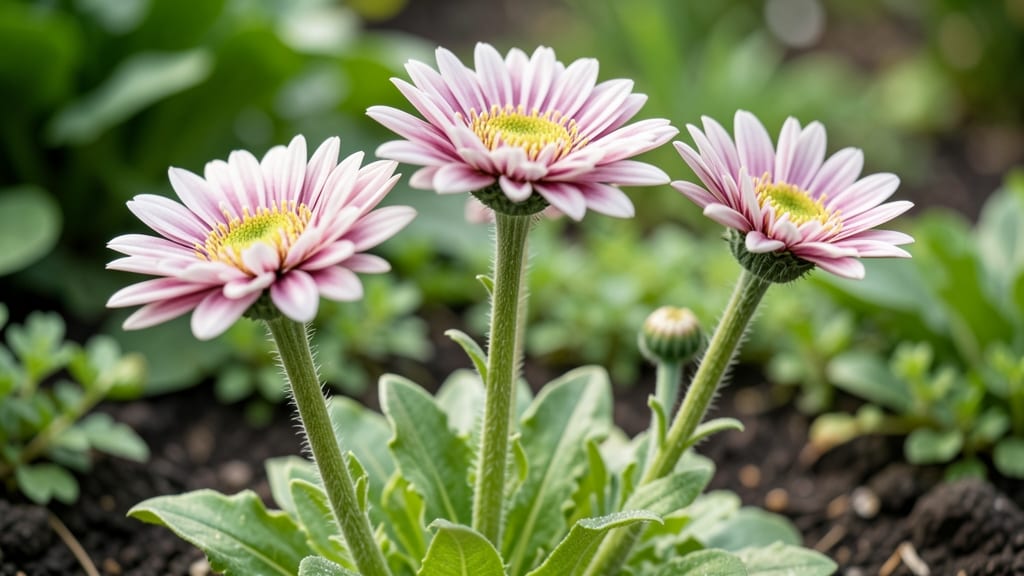
Yes, deer eat mums flowers—especially the tender leaves and buds—because their mild flavor and soft texture make them an easy, nutritious snack. These perennials become prime targets in gardens during late summer and fall when deer seek out fresh greenery as other food sources become scarce.
Mums (chrysanthemums) aren’t toxic to deer, which means they’re fair game for browsing. 🌿 The plants’ high moisture content and digestible leaves make them particularly appealing when deer are searching for quick energy.
Unlike some garden plants that contain bitter compounds or toxins, mums offer a safe, palatable meal—especially when other options are limited. This is why they often suffer damage in areas where deer populations are high or natural food sources are dwindling.
Deer tend to focus on new growth and flower buds first, which can leave your mums looking ragged if left unprotected. The good news? Their hardy nature means they can often recover with proper care, but prevention is key to keeping them vibrant.
Understanding why deer target them helps you choose the right protective strategies—whether through physical barriers, natural repellents, or companion planting.
💡 In This Article
- Why Deer Are Drawn to Mums Flowers
- Effective Deer-Repellent Strategies for Mums
Why deer are drawn to mums flowers
Deer have a highly selective palate shaped by their evolutionary need for high-moisture, low-toxin vegetation. Mums (chrysanthemums) fit this profile perfectly—their tender leaves and buds contain about 85% water content, making them an efficient energy source.
Unlike many garden plants that contain bitter alkaloids or toxins, mums lack these deterrents, giving deer free access to a soft, digestible meal.
Their mild flavor profile (similar to mild lettuce or spinach) makes them especially appealing when deer are foraging during late summer to early winter when other greens become scarce.
The key lies in deer digestion mechanics. Their four-chambered stomachs are designed to break down fibrous plants, but they prefer easily digestible options first. Mums' low lignin content (a tough plant fiber) means deer can process them quickly, providing rapid energy without heavy digestive effort.
This is why you'll often see deer targeting new growth—the youngest leaves and buds have the highest moisture and lowest fiber content. For comparison, deer-resistant plants like lavender or boxwood contain essential oils that irritate their digestive systems, making mums a far more attractive alternative.
Seasonal behavior plays a massive role here. During fall, when deer are bulking up for winter, they consume up to 8% of their body weight daily in vegetation.
Mums become a high-value target because their bright colors (especially yellow and orange varieties) make them visually stand out in browned autumn landscapes. The scent profile of mums—lightly floral but not overpowering—also triggers deer's natural foraging instincts.
Unlike strongly aromatic herbs (which deer avoid), mums emit a subtle, inviting fragrance that doesn't repel them.
What most gardeners don't realize is how deer prioritize plant parts. Studies show deer will first nibble buds (the most nutrient-dense part), then move to leaves, and finally stems if desperate.
This sequential browsing explains why mums often look skeletally stripped—deer don't just take random bites; they systematically harvest the most valuable components. The textural contrast between mums' velvety petals and crisp leaves also makes them appealing to deer's tactile senses, which play a role in their food selection.
To put this into perspective, consider deer-resistant alternatives like Russian sage or yarrow, which contain diterpenes—compounds that make deer gag. Mums, however, lack these defensive chemicals, making them deer's equivalent of a fast-food drive-thru.
Their high moisture (critical in dry fall months) and lack of bitterness create a perfect storm of attractiveness. Even commercial deer repellents often fail on mums because deer simply find them too tempting to avoid.
Here's the science behind their appeal: Mums contain moderate levels of carbohydrates (about 12-15% dry weight) and minimal protein (around 5-8%), which aligns perfectly with deer's seasonal dietary needs.
During late summer, when protein-rich clover is drying up, deer turn to carbohydrate-rich plants like mums for quick energy. This explains why fall-planted mums often suffer the most damage—they're at their peak nutritional value when deer are most active.