
Flowers
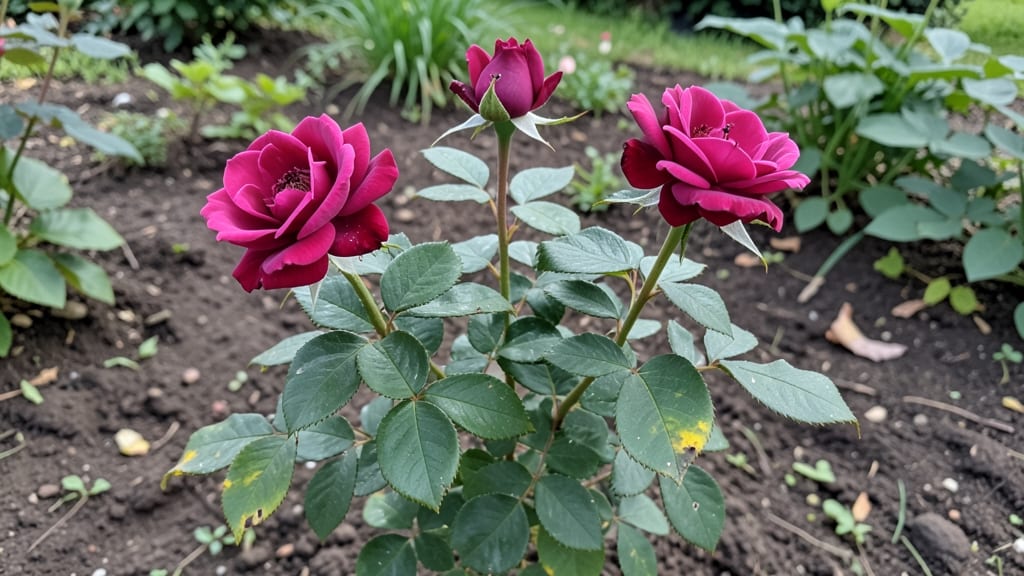
The best photo flowers are sunflowers, peonies, and roses for their bold colors, while cherry blossoms and lavender bring soft elegance to shots. Golden-hour lighting highlights textures, and macro lenses reveal intricate details like petal veins.
The right blooms can transform any photo into a showstopper. 🌸 Sunflowers, with their towering stems and vibrant yellow centers, create striking silhouettes against backdrops, while peonies' lush, layered petals add depth and volume.
Lavender and cherry blossoms, on the other hand, offer delicate pastels that soften compositions and evoke a dreamy atmosphere. These flowers aren't just pretty—they're designed to catch light in ways that make them pop on camera, whether you're shooting in a garden or a controlled studio setup.
What truly elevates these flowers in photography is their interplay with light and texture.
The velvety petals of roses or the papery delicacy of cherry blossoms create visual interest that's impossible to replicate with artificial blooms. 💫 Plus, their seasonal availability means you can plan shoots around their peak bloom times for the most dramatic results.
For instance, sunflowers shine brightest in late summer, while peonies steal the show in early summer—timing your photoshoot to these windows ensures you capture them at their most photogenic.
💡 In This Article
- Why These Flowers Stand Out in Photography
- Lighting and Composition Tips for Flower Photography
Why these flowers stand out in photography
Sunflowers dominate floral photography because their spiral growth pattern (phyllotaxis) creates a natural, mathematically perfect composition.
The 300-500 petals arranged in Fibonacci sequence (1, 1, 2, 3, 5) form an organic frame that guides the viewer's eye. 🌻 This botanical design mimics the golden ratio, making them inherently photogenic without needing forced framing.
Their 3-5 foot height also provides dramatic vertical lines that contrast beautifully with horizontal elements like garden paths or tree canopies.
The velvety texture of roses—with petal surfaces covered in microscopic papillae (tiny hair-like structures)—scatters light differently than smoother blooms. This creates a soft, diffused glow that photographers exploit during golden hour, when light angles enhance their 3D depth.
Peonies take this further with their layered, ruffled petals (up to 100 layers in some varieties), which create natural shadows that add dimension. 💐 The contrast between a peony's 1-2 inch petal width and a sunflower's 3-4 inch petals offers photographers flexibility in scale—whether they want intimate close-ups or expansive landscape shots.
Delicate flowers like cherry blossoms and lavender stand out for their reflective surfaces. Cherry blossom petals have a papery translucency that scatters light in soft pastels, while lavender's fuzzy calyxes (flower stems) create a textural contrast against their purple-blue hue.
The 1-2 cm diameter of individual lavender flowers allows for stunning macro shots where each bloom appears as a tiny galaxy of color. 🌸 What most photographers overlook is how these flowers' asymmetrical shapes (unlike roses' perfect symmetry) add organic movement to compositions.
Seasonal availability plays a crucial role in why certain flowers dominate photography.
Sunflowers peak in late summer (August-September) when light conditions are ideal, while peonies bloom in early summer (May-June) during the softest light transitions of the year. 🌿 This timing aligns with photographers' schedules, as these months offer the longest golden hours (up to 2 hours) and lowest UV indexes, reducing lens flare.
The 3-4 week bloom window of peonies, compared to sunflowers' 6-8 weeks, also gives photographers more flexibility in planning shoots.
Botanical traits like stamen prominence (the "male" reproductive parts) create unexpected focal points. Sunflowers have 2,000+ stamens that form a dark brown center, while roses often feature 50-100 stamens with vibrant yellow tips. 🌺 These elements provide color contrast that draws the eye, especially when backlit.
The 1-3 inch stamens of peonies create a lacy texture that contrasts with their thick petals. Understanding these details helps photographers position flowers to maximize their natural visual appeal without heavy editing.
What truly sets these flowers apart is their interaction with light at the microscopic level.
The waxy cuticle on rose petals reflects light differently than the hairy surface of lavender, creating distinct textures. 💫 This is why macro photography reveals their true beauty—sunflower petals show vein patterns resembling rivers, while peony stamens appear like delicate lace. The key takeaway?
These flowers weren't just chosen for their looks; their biological structures were designed by nature to be photogenic.