
Pruning
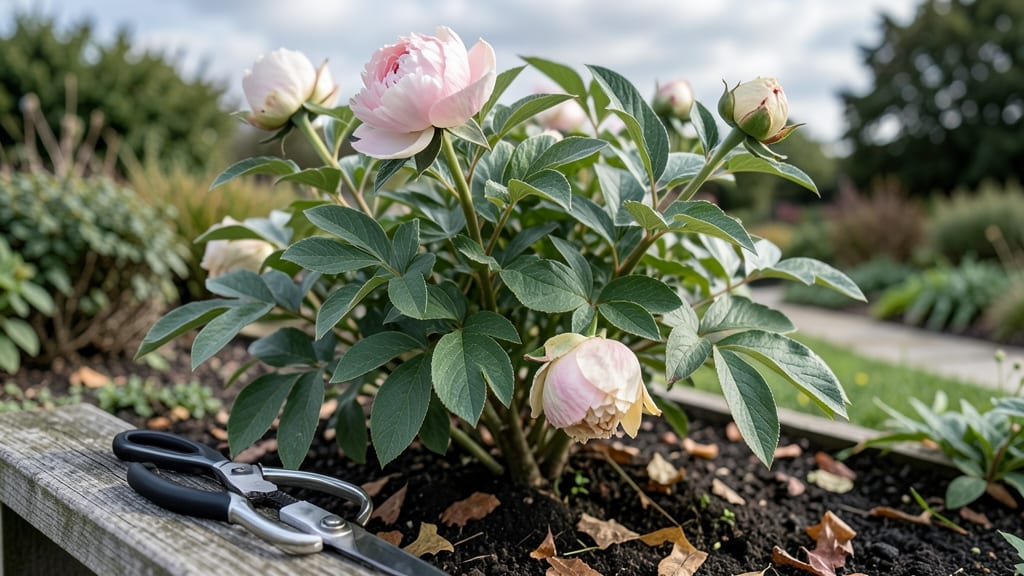
Deadheading peony flowers isn’t just about tidying up—it’s the secret to next year’s boldest blooms. 🌸 I’ve learned the hard way that skipping this step means fewer, smaller flowers by summer.
The key is timing and technique: snip spent blooms just right, and your peonies will reward you with taller stems and more dramatic flowers the following season.
You’ll only need clean pruners and a pair of gloves to protect your hands from those sharp stems. The best time to deadhead is right after the petals fade—never cut into the green seed pod (that’s where next year’s buds form!).
A quick trim above the first set of healthy leaves keeps the plant focused on growth, not seed production.
What you’ll end up with is a peony bush that looks neater now and performs better next year. Those towering, velvety blooms you dream of? They start with this simple step.
The payoff comes in late spring when your neighbors ask how you get such showstopping flowers—and you’ll know it’s all in the deadheading.
Works for all peony types—herbaceous, intersectional, even tree peonies—just adjust the timing slightly based on your climate. Let’s get those blooms prepped for their next grand entrance!
📚 In This Guide
- What you need
- Instructions
- Tips and common mistakes
- Wrapping up and next steps
What you need
- ● Pruning shears or sharp bypass pruners – Choose clean, sterilized tools (alcohol wipes work great!) to prevent disease spread. Size: 5–7 inches for precision.
- ○ Gloves (optional but recommended) – Wear garden gloves to protect hands from thorns and sap. Material: Nitrile or leather for durability.
- ● Disposable gardening bag or bucket – For collecting spent blooms and debris. Capacity: At least 5 gallons to avoid overflow.
- ● Compost bin or garden waste container – To recycle deadheaded flowers into nutrient-rich compost.
- ● Rubbing alcohol (70% isopropyl) or bleach solution – For sterilizing tools between cuts. Mix: 1 part bleach to 9 parts water.
- ● Hand lens or magnifying glass – To spot pests or diseases on stems/foliage.
- ● Pruning saw – For thick, woody stems (rare in peonies but handy for stubborn growth).
- ● Garden twine or plant ties – If your peonies need support for heavy blooms (e.g., staking).
- ● Label markers – To tag varieties if you’re experimenting with new peony types.
Step-by-Step guide to deadheading peony flowers
Peonies reward patience—here's how to keep them blooming bigger each year.
✂️ Step 1: Wait for the Right Time to Deadhead
Never cut peony blooms until they've fully faded and the petals start to brown. This signals the plant to redirect energy into next year's buds rather than seed production. I wait until at least 75% of petals have fallen naturally—this usually happens 2-3 weeks after peak bloom depending on your climate.
If you cut too early, you'll miss the chance to collect seeds (if you're saving them) and weaken the plant's energy reserves. Watch for the flower head to look like a crumpled paper bag—this is your cue. I always carry a pair of clean, sharp pruners in my gardening bag during peony season just for this task.
✂️ Step 2: Cut Back to the First Healthy Leaf Node
Make your cut just above a leaf node (where leaves grow out from the stem) using clean, sharp pruners. This encourages new growth and prevents disease from entering through jagged cuts. I angle my cut slightly downward to keep water from pooling on the stem.
Don't cut into the woody stem—you'll see a clear transition where the green foliage meets the brown stem. Cutting too far down removes next season's flower buds, which form on last year's growth. The first healthy leaf node is usually about 1-2 inches below the faded bloom.
🌿 Step 3: Clean Up Faded Blooms and Debris
Remove all dead flower heads and any yellowing or brown leaves from the plant. These can harbor fungal spores that might infect your peonies. I collect the spent blooms in a bucket and either compost them (after ensuring no diseases are present) or add them to dried flower arrangements.
Rake away any fallen petals and debris from the base of the plant. Peonies appreciate a clean growing area, and this prevents pests from taking up residence. After cleanup, I give the plant a light watering to help it recover from the blooming season.
🌱 Step 4: Fertilize and Mulch for Next Season
After deadheading, apply a balanced, slow-release fertilizer (like 10-10-10) around the base of the plant but not touching the stems. Peonies need nutrients to build next year's flower buds. I use about 1 tablespoon per plant and gently work it into the top 2 inches of soil.
Add a 2-3 inch layer of organic mulch (like shredded bark or straw) around the plant, keeping it 6 inches away from the stems. This conserves moisture, regulates soil temperature, and prevents weeds. I always water the mulch well after applying to help it settle and start working.
⏰ Step 5: Monitor for New Growth and Pest Prevention
Watch for new foliage growth in the weeks following deadheading. Healthy peonies will show fresh green leaves within 2-3 weeks. If you see weak or yellowing leaves, it might indicate overwatering or nutrient deficiency.
Check regularly for Japanese beetles, which love peonies. Remove them by hand or use neem oil spray if needed. I've found that a weekly inspection during peak beetle season prevents infestations before they become a problem. Healthy peonies with proper care will reward you with even more spectacular blooms next year.
Tips & tricks for perfect peony deadheading
These simple tricks will help you maintain healthy peonies and ensure they reward you with even more spectacular blooms next season.
Timing is Everything: The 2-3 week wait after peak bloom is crucial—this gives peonies time to redirect energy into next season's buds. I've learned the hard way that cutting too early means smaller blooms next year. Watch for petals to naturally fall away until only the crumpled center remains, like a brown paper bag. This visual cue is your signal that it's time to deadhead.
Precision Cutting Technique: In Step 2, when cutting back to the first healthy leaf node, remember that peony buds form on last year's growth. Cutting too far down removes these buds, which means fewer blooms next season. I like to make my cut at a slight downward angle—this prevents water from pooling on the stem and reduces disease risk. Always use clean, sharp pruners to avoid tearing the plant tissue.
Post-Deadheading Care: After removing spent blooms, don't forget to give your peonies a light watering to help them recover. The 2-3 inch layer of mulch we add in Step 4 should be kept 6 inches away from stems to prevent rot. I've found that watering the mulch well after application helps it settle properly and start working to conserve moisture and regulate soil temperature.
Seasonal Maintenance: The weekly beetle inspections mentioned in Step 5 are non-negotiable during peak beetle season. I keep a small spray bottle of neem oil in my gardening bag specifically for this purpose. Healthy peonies with proper care will show fresh green leaves within 2-3 weeks of deadheading—this is your sign that everything is on track for next season's blooms.
Pro Tips for Deadhead Peony Flowers
- These simple tricks will help you maintain healthy peonies and ensure they reward you with even more spectacular bloo...
- Timing is Everything: The 2-3 week wait after peak bloom is crucial—this gives peonies time to redirect energy into n...
- Precision Cutting Technique: In Step 2, when cutting back to the first healthy leaf node, remember that peony buds fo...
Frequently asked questions
Got questions about deadheading peonies?
You’re not alone! Whether you’re a first-time gardener or a seasoned pro, these common queries will help you master the art of pruning for stunning next-season blooms.
When is the best time to deadhead peony flowers?
Deadhead peonies after they’ve fully bloomed but before the seed pods form—usually mid-to-late summer. For herbaceous peonies, this is typically June–July. Wait until the flower wilts naturally; never cut green buds! Pro tip: Use clean, sharp shears to avoid damaging stems.
Should I deadhead peonies in fall or spring?
No! Fall or spring pruning can harm peonies. Never cut back foliage until it fully yellows in late fall (October–November). This ensures the plant stores energy for next year’s blooms. Deadheading in summer is the only time to trim—just the spent flowers, not the stems!
What if I accidentally cut too much off my peony?
Don’t panic! If you’ve trimmed more than the flower head, stop cutting immediately. Peonies are hardy and will recover, but avoid pruning below the first set of leaves (the “crown”). Over-pruned peonies may produce fewer blooms next season, but they’ll bounce back with patience.
Can I skip deadheading peonies entirely?
Technically yes, but you’ll sacrifice next year’s blooms! Deadheading redirects the plant’s energy toward stronger stems and buds instead of seed production. Skipping it may lead to weaker growth or fewer flowers. Think of it as a trade-off: a little effort now = a showstopping display later!
What’s the difference between deadheading and pruning peonies?
Deadheading
= Removing only spent blooms (summer). Pruning = Cutting back foliage (late fall/winter). Herbaceous peonies never need winter pruning—just leave the yellowed stems until spring. Tree peonies are the exception; they can be pruned lightly in late winter.
Wrapping up and next steps
Deadheading peony flowers isn’t just about tidying up your garden—it’s your secret weapon for bigger, healthier blooms next season! 🌸 By following the right techniques, you’ll encourage stronger growth, prevent disease, and enjoy those showstopping peony displays year after year.
Now that you’re armed with the know-how, grab those pruners and get pruning!
Ready to take it further? Experiment with mulching or fertilizing after pruning to give your peonies an extra boost. And don’t forget—patience is key! With a little love, your peonies will reward you with stunning, towering blooms that steal the show.