
Shrubs
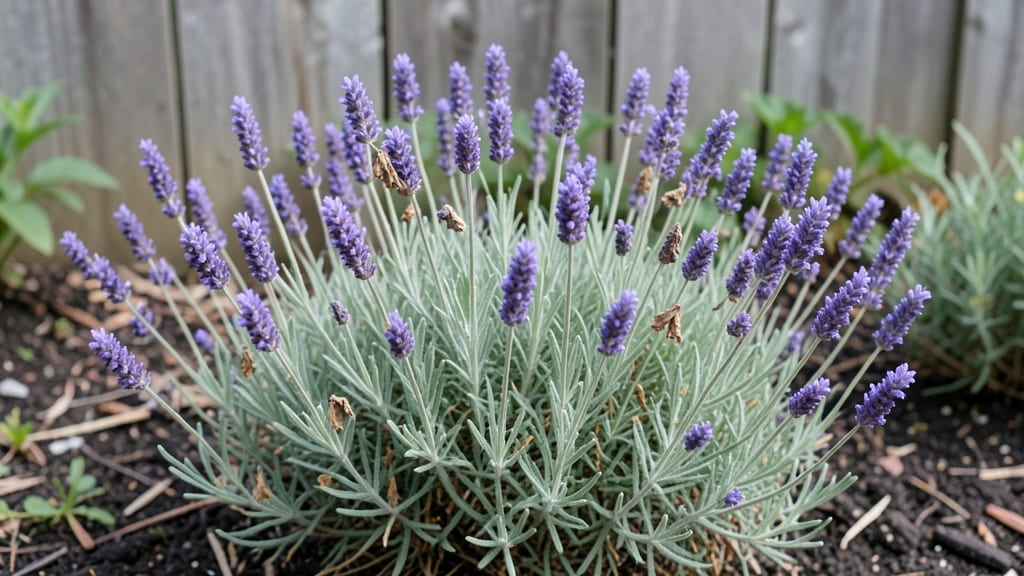
Lavender’s flowering period is all about timing—those iconic purple spikes typically bloom from late spring to early summer 🌿, but climate and care can shift that window dramatically.
If you’ve ever planted lavender expecting instant color, only to wait months for buds, you’re not alone. The key to vibrant blooms lies in understanding your zone, sunlight exposure, and a few simple pruning tricks that most gardeners overlook.
Here’s what you need to know: from the first buds in May to the last harvest in September, we’ll break down how to coax your lavender into its longest, most fragrant season yet.
Ready to transform your garden? Discover the exact steps to extend blooms, troubleshoot common issues, and even adjust for your local climate—so you can enjoy that signature lavender scent for months.
When does lavender bloom? Month-by-month flowering timeline by climate zone
If you’ve planted lavender hoping for those signature fragrant purple spikes, timing is everything. Lavender typically blooms in late spring to summer, but exact timing depends on your USDA zone and variety.
Understanding these patterns helps you plan for harvesting oil, drying flowers, or simply enjoying the garden's scent. Let’s break down when each type of lavender—English, French, and Spanish—reaches peak bloom across different climates.
Lavender thrives in full sun and well-draining soil, but temperature shifts trigger blooming. In warmer zones (8-10), lavender may bloom as early as March or April, while in cooler zones (5-7), blooms often appear in May or June.
Even within the same zone, French lavender tends to bloom slightly earlier than English lavender, which can stretch blooms into early fall with proper care.
🌱
| USDA Zone | Early Blooms | Peak Blooms | Late Blooms | Variety Notes |
|---|---|---|---|---|
| Zones 5-6 | Late May | June-July | Early August | English lavender blooms latest; French earliest |
| Zones 7-8 | April-May | May-June | July-August | Spanish lavender extends blooms into fall |
| Zones 9-10 | March-April | April-May | June-July | Year-round blooms possible with mild winters |
In USDA zones 5-6, where winters are colder, lavender often waits until late May to begin blooming.
This delay gives plants time to recover from winter dormancy. Peak blooms usually occur in June and July, with English lavender like 'Hidcote' blooming slightly later than French lavender varieties such as 'Grosso'.
If you’re in this zone, plan to harvest flowers in July for the best fragrance and oil content.
Gardeners in zones 7-8 enjoy an earlier start, with blooms appearing as soon as April or May. The peak flowering period stretches from May through June, and with proper care—like deadheading spent blooms—you can coax Spanish lavender into a second flush in late summer.
This extended bloom time makes it ideal for cut flower arrangements or drying bundles throughout the season.
For those in zones 9-10, lavender’s blooming season can feel almost endless. In these warmer climates, lavender may start blooming as early as March and continue into July.
Some varieties, like 'Provence' lavender, even produce scattered blooms year-round. However, heat stress above 90°F (32°C) can shorten the flowering window, so providing afternoon shade can help maintain blooms.
Sunlight plays a crucial role in lavender’s flowering schedule. While lavender can tolerate light shade, it needs at least 6 hours of direct sun daily to produce abundant blooms. In shadier microclimates, flowering may be sparser or delayed.
If your lavender isn’t blooming as expected, check its location—south-facing windows or sunny garden beds are ideal for triggering those fragrant spikes.
Temperature also influences blooming. Lavender typically needs moderate daytime temps (70-80°F or 21-27°C) to bloom prolifically. In cooler zones, blooms may appear later but last longer due to cooler evenings.
Conversely, hot, dry summers can cause lavender to bolt early or produce fewer flowers. Mulching around the base with gravel or straw helps regulate soil temperature and encourages consistent blooming.
If you’re growing lavender for harvesting essential oil, aim to harvest when 20-30% of the buds are open. This stage ensures the highest oil concentration and fragrance. For dried flowers, harvest on a dry, sunny morning after the dew has evaporated.
Bundle stems and hang them upside down in a well-ventilated, dark space for 2-3 weeks to dry completely.
🌿
How to extend lavender’s flowering season: pruning, watering, and soil secrets
Lavender’s natural flowering period typically spans late spring to early fall, but with the right care, you can coax those fragrant purple spikes to last even longer. The secret lies in understanding how pruning timing, watering habits, and soil conditions interact to either encourage or stifle blooms.
Many gardeners accidentally cut back lavender at the wrong time, triggering a second flush of flowers—or worse, killing their plant’s blooming potential for the year.
One of the biggest mistakes I see is pruning lavender after the first flowering cycle ends. While it might seem logical to tidy up spent blooms, doing so too late in the season can leave your plant with no time to regenerate before winter.
Instead, strategic pruning and a few soil tweaks can transform a single burst of color into a prolonged display that lasts weeks longer. Let’s break down the exact steps to make it happen.
- 🌱 Prune in spring (March-April) to shape plants and remove dead wood—never after July or you risk losing fall blooms.
- ☀️ Deadhead spent blooms by cutting back to fresh green growth in early summer to trigger a second flush of flowers by late summer.
- 💧 Water deeply but infrequently: Lavender hates soggy roots—water only when soil is bone-dry, typically every 7-10 days.
- 🌿 Amend soil with gritty sand or gravel to improve drainage—lavender roots need oxygen to thrive and bloom.
- 🌸 Plant near rosemary or thyme: These companion plants deter pests and share similar drought-tolerant needs, boosting overall garden health.
Let’s start with pruning, the most critical factor in extending your lavender’s flowering season. Most varieties bloom once in early summer, but with the right approach, you can encourage a second round of flowers later in the season.
The key is timing: prune in early spring (March-April) to remove dead stems and shape your plant. Avoid pruning after mid-summer, as this can signal the plant to go dormant before it’s ready, cutting short your blooming window.
When it comes to watering, lavender is famously drought-tolerant, but getting the balance right is crucial. Overwatering is the fastest way to kill blooms—soggy roots lead to fungal diseases that weaken the plant.
Instead, water deeply once a week (or every 10 days in hot climates) and always in the morning to reduce evaporation. If your lavender is in a container, check the soil every 5-7 days—containers dry out faster and can stress the plant if neglected.
Don’t overlook the power of soil pH and composition. Lavender thrives in alkaline soil with a pH between 7.0 and 8.0.
If your soil is too acidic, amend it with crushed limestone or wood ash to raise the pH. Additionally, lavender roots need excellent drainage—mix in coarse sand or gravel if your native soil is heavy or clay-based.
Poor drainage leads to root rot, which directly impacts flowering potential by starving the plant of nutrients.
Finally, strategic companion planting can work wonders for extending blooms. Pair lavender with rosemary, thyme, or sage—these Mediterranean herbs share similar care needs and help deter pests like aphids, which can sap energy from your lavender’s blooms.
Avoid planting near heavy feeders like tomatoes or peppers, which compete for nutrients and water, weakening your lavender’s ability to produce flowers.