Shrubs
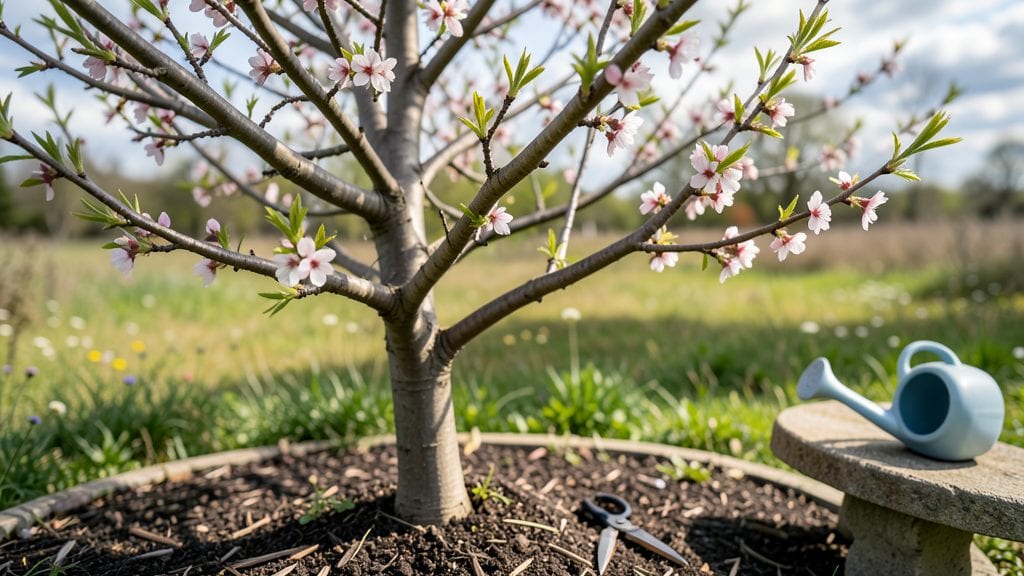
Managing the flowering almond size 🌸 is the key to keeping this showstopper from turning into a space hog in your yard.
Struggling to keep your flowering almond tree compact and bushy instead of sprawling? The secret lies in strategic pruning—timing, techniques, and size management make all the difference for this stunning ornamental tree.
At maturity, a flowering almond typically reaches 8 to 12 feet, but with the right approach, you can coax it into a more manageable shape.
Whether you're working with a young sapling or an established shrub, understanding how to control its growth ensures you get the best of both worlds: vibrant blooms and a tidy garden.
Below, I’ll walk you through the ideal size for your zone, how to prune for compact growth, and the tools you’ll need to keep your flowering almond looking its best without sacrificing those gorgeous spring flowers.

Ideal flowering almond size: how big should it grow?
Your flowering almond (Prunus triloba) is a stunning addition to any landscape, but its mature size can vary dramatically depending on growing conditions and care. Without proper management, these trees can reach 10 to 20 feet tall, creating a sprawling canopy that may overwhelm smaller gardens.
Understanding the ideal size range and when to intervene is key to keeping your tree both healthy and visually balanced.
Most standard flowering almond varieties mature between 8 and 12 feet tall with a spread of 6 to 10 feet wide. However, if you're working with a young tree (under 3 years old), expect slower growth—typically 2 to 3 feet per year in ideal conditions.
The good news? With strategic pruning and rootstock selection, you can influence how large your tree becomes, even encouraging a more compact, shrub-like form.
Here’s the critical question: How do you know when your flowering almond is getting too large? Pay attention to its height-to-diameter ratio. A mature tree should have a trunk diameter of 4 to 6 inches at chest height.
If your tree exceeds 12 feet tall or develops a trunk wider than 6 inches, it’s time to consider corrective pruning to maintain its size and shape.
Dwarf varieties of flowering almonds are rare but not unheard of. While no true dwarf cultivars exist for Prunus triloba, grafting onto dwarfing rootstock (like those used for peach trees) can reduce mature size by 30 to 50%.
If you’re planting in a small space, this is a game-changer—your tree could stay under 6 feet tall while still producing abundant blooms.
Rootstock plays a huge role in size control. Standard rootstocks encourage rapid growth, while intermediate or semi-dwarf rootstocks slow the tree down. For example, a flowering almond grafted onto Lovell peach rootstock (a common dwarfing rootstock) will stay significantly smaller than one grown on its own roots.
Always check the nursery label or ask the grower about the rootstock if size is a concern.
Now, let’s talk pruning triggers. If your tree is still young (3 years old), focus on structural pruning to encourage a strong framework. For older trees, prune when branches exceed 1/3 of the tree’s total height or when the trunk diameter grows beyond 6 inches.
These measurements help you decide whether to thin out branches or reduce overall height.
Here’s a quick size management checklist to keep your flowering almond in check: ☑️ Measure height annually—prune if exceeding 12 feet. ☑️ Check trunk diameter at chest height—prune if wider than 6 inches. ☑️ Thin out overlapping branches to improve airflow and light penetration. ☑️ Remove water sprouts (vertical shoots) to maintain a bushy form.
One common mistake gardeners make is waiting too long to prune. Flowering almonds respond best to light, regular pruning rather than drastic cuts. If you let your tree grow unchecked for years, you’ll face larger, more aggressive cuts that can stress the plant and reduce flowering.
Think of pruning as an ongoing conversation with your tree—small adjustments keep it healthy and manageable.
For those in small gardens or containers, consider pollarding, a technique where you cut back branches to a stub each year. This keeps the tree compact and encourages dense foliage.
Just be prepared for a delayed bloom the first year after pollarding, as the tree redirects energy to regrowth.
Finally, remember that soil and sunlight influence size too. Flowering almonds planted in poor soil or partial shade grow more slowly, while those in rich, well-draining soil with full sun can reach their maximum potential faster.
Adjust your pruning plan based on these factors—your tree’s growth rate will guide how aggressively you need to intervene.
With the right approach, your flowering almond can stay lush and manageable while still dazzling your garden with its spring blooms. The key is consistency and observation—keep an eye on those measurements, and don’t hesitate to prune when needed.
| Variety | Mature Height | Mature Spread | Pruning Needs | Best For |
|---|---|---|---|---|
| Standard (Own Roots) | 10–20 ft | 8–12 ft | Regular thinning, height control | Large gardens, landscape specimens |
| Semi-Dwarf (Intermediate Rootstock) | 6–12 ft | 5–8 ft | Light pruning, shape maintenance | Medium gardens, containers |
| Dwarf (Grafted on Lovell Rootstock) | 4–6 ft | 3–5 ft |
Step-by-step pruning techniques for compact growthPruning your flowering almond isn’t just about trimming branches—it’s about shaping growth and encouraging abundant blooms. The key is timing and technique. Prune at the right season, use the correct cutting angles, and focus on branch selection to maintain a compact, bushy form while maximizing those stunning spring flowers. For compact growth, aim to prune 2-3 times per year, with major cuts in late winter and light maintenance after flowering. This approach prevents overgrowth while keeping your tree manageable and full of blooms. Always use sharp, sterilized tools to avoid disease and ensure clean cuts. Step-by-Step Pruning for Flowering Almond Size Control
When selecting branches to prune, prioritize weak or inward-growing limbs first. These compete with stronger branches for nutrients and can create crowded, shaded areas that reduce flowering. Always leave 3-5 main branches to maintain the tree’s structural integrity while encouraging a full, bushy appearance. For young flowering almonds, focus on establishing a strong framework. Prune to open the center of the tree early to prevent a dense, unmanageable canopy. As the tree matures, shift to renewal pruning—cutting back older branches to stimulate new growth and keep the tree vibrant and compact. Remember, patience is key. Over-pruning can stress the tree and reduce blooms. Start with light cuts and gradually adjust based on the tree’s response. With consistent care, your flowering almond will stay compact, healthy, and bursting with spring blooms. |