Trees
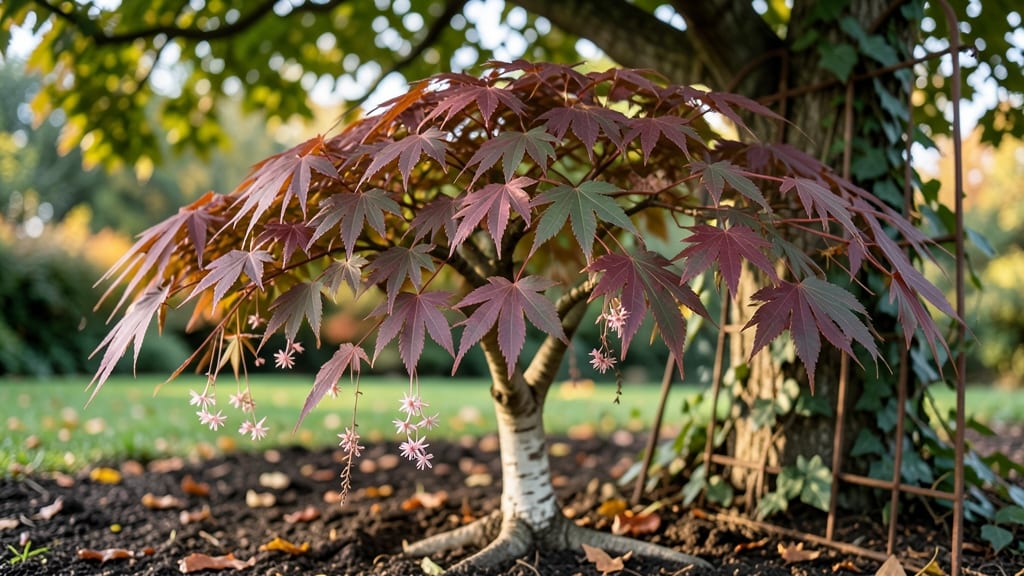
Growing a Japanese flowering maple (Acer palmatum) means adding a living masterpiece to your garden—one that dances with color from spring through fall. 🌿 My first one started as a tiny sapling, and now its delicate branches arch with vibrant foliage that turns fiery in autumn.
The key to that kind of beauty isn’t luck; it’s understanding how these trees thrive when given the right conditions.
These trees love well-draining soil mixed with organic matter, and they’ll reward you with lush growth if planted in partial shade to full sun—just avoid scorching afternoon rays in hot climates.
Watering is simple once established, but young trees need consistent moisture to develop strong roots. Pruning in late winter keeps their natural shape while encouraging those stunning blooms.
What you’ll end up with is a tree that feels like a living painting—pink, red, or purple flowers in spring, followed by foliage that shifts from green to orange, red, or purple as seasons change.
The best part? They grow slowly, so you get to enjoy their transformation for decades. Even in small spaces, dwarf varieties bring that same wow factor.
Whether you’re a beginner or a seasoned gardener, these care secrets will help your Japanese maple flourish. From picking the right spot to troubleshooting common issues, we’ll cover everything so you can enjoy its beauty year after year.
📚 In This Guide
- What you need
- Instructions
- Tips and common mistakes
- Wrapping up and next steps
What you need
- ● Japanese flowering maple sapling or bare-root plant (choose a variety like 'Bloodgood', 'Shishigashira', or 'Moonrise' for vibrant colors).
- ● Well-draining soil mix (compost, peat moss, and perlite in a 3:1:1 ratio for pots; native soil amended with organic matter for ground planting).
- ● Organic mulch (shredded bark or pine needles, 2–3 inches thick to retain moisture and regulate temperature).
- ● Slow-release fertilizer (balanced 10-10-10 or acidic fertilizer like 8-3-9 for acid-loving maples).
- ● Garden trowel or shovel (for planting and soil prep).
- ● Pruning shears (sharp, bypass-style for clean cuts; sterilize with rubbing alcohol).
- ● Gloves (gardening gloves to protect hands from thorns and soil).
- ● Watering can or hose with a gentle spray nozzle (avoid overhead watering to prevent fungal diseases).
- ● Container or planting hole (1.5x wider than the root ball for ground planting; pots with drainage holes for container growth, minimum 15-gallon size).
- ○ pH testing kit (optional but helpful—Japanese maples thrive in acidic soil (pH 5.0–6.5)).
- ● Sunlight: Partial shade (4–6 hours of morning sun) for most varieties; some (like 'Shishigashira') tolerate full sun in cooler climates.
- ● Climate: Hardy in USDA Zones 5–8; protect young trees from late spring frosts with burlap wraps.
- ● Water source: Consistent moisture (water deeply 2–3 times per week in the first year; reduce to weekly once established).
- ● Epsom salt (1 tbsp/month in water for magnesium boost, especially for yellowing leaves).
- ● Tree stakes and ties (for young saplings in windy areas).
- ● Decorative rocks or moss (to enhance container designs or ground beds).
- ● Fungicide spray (copper-based, for prevention of anthracnose or powdery mildew).
Step-by-step instructions for planting and caring for Japanese flowering maple
Here's how to establish your tree for vibrant blooms and lush foliage year after year.
🌱 Step 1: Choose the Right Location and Dig the Planting Hole
Japanese flowering maples thrive in partial shade—think 4-6 hours of morning sun with afternoon shade protection. Avoid full sun, which can scorch delicate leaves. I always test the spot by observing how sunlight moves across the area throughout the day.
Dig a hole twice as wide as the root ball but only as deep. The top of the root ball should sit 1-2 inches above ground level—this prevents water from pooling around the stem. Loosen the sides of the hole with your hands or a trowel to encourage root spread into the surrounding soil.
🪴 Step 2: Prepare the Soil and Plant the Tree
Mix 2-3 inches of compost into the native soil you removed from the hole. Japanese maples prefer well-draining, slightly acidic soil (pH 5.0-6.5). If your soil is heavy clay, add a handful of perlite or coarse sand to improve drainage.
Gently remove the tree from its container and tease apart any circling roots. Place it in the hole so the root flare (where roots meet trunk) sits at ground level. Backfill with native soil, pressing lightly to remove air pockets. Water deeply to settle the soil around the roots—you'll know it's right when moisture reaches 6 inches down.
☀️ Step 3: Mulch and Water for Establishment
Spread 2-3 inches of mulch (like wood chips or pine bark) over the soil surface, keeping it 3 inches away from the trunk to prevent rot. Mulch retains moisture and regulates soil temperature, which is crucial during hot summers. I always use organic mulch because it breaks down slowly and improves soil structure over time.
Water deeply 2-3 times per week for the first 6-8 weeks to encourage deep root growth. Let the top 2 inches of soil dry out between waterings—this prevents shallow roots that struggle in drought. You'll see new growth within 4-6 weeks if the tree is established properly.
✂️ Step 4: Prune for Shape and Health
Prune in late winter or early spring before new growth begins. Remove dead, crossing, or weak branches first—these compete with the tree for energy. I always make cuts just outside the branch collar (the swollen area where the branch meets the trunk) to promote faster healing.
Shape the tree by thinning out 10-20% of the canopy to allow light and air to circulate. Avoid heavy pruning—Japanese maples respond poorly to aggressive cuts. After pruning, apply a fungicide spray to prevent disease entry points, especially if your area has humid summers.
🌿 Step 5: Year-Round Care for Blooms and Foliage
Fertilize in early spring with a balanced, slow-release fertilizer (10-10-10) to support new growth. Scatter granules 6 inches from the trunk and water deeply to activate them. Avoid fertilizing in fall—it encourages tender growth that won’t harden off before winter.
Watch for aphids or spider mites on new leaves—these pests thrive in dry conditions. Spray with neem oil at the first sign of infestation. In winter, protect young trees from freezing winds by wrapping the trunk with burlap or using a tree guard. Mature trees handle cold well but still benefit from mulch protection during harsh winters.
Tips & tricks for perfect Japanese flowering maple care
These simple yet game-changing tips will help you avoid common pitfalls and give your Japanese flowering maple the best chance to thrive.
Location Scout Like a Pro: When selecting your planting spot, observe how sunlight shifts throughout the day—morning sun is ideal, but afternoon shade is a must. I always check the area at different times to ensure it gets exactly 4-6 hours of morning sunlight. This prevents the delicate leaves from scorching while still providing enough light for vibrant blooms. Pro tip: Avoid planting near large trees that will compete for sunlight as they grow.
Root Ball Placement Matters: The top of the root ball should sit 1-2 inches above ground level—this isn't just a suggestion, it's crucial for preventing water from pooling around the stem. I've seen too many new gardeners bury the root flare too deep, which leads to rot. After planting, gently press the surrounding soil to remove air pockets, but don't compact it too tightly—you want roots to spread easily into the loosened soil.
Watering Wisdom: Those first 6-8 weeks are critical for establishing deep roots. Watering deeply 2-3 times per week might seem like a lot, but it's worth it—the goal is to encourage roots to grow downward rather than staying shallow. Here's the trick: Let the top 2 inches of soil dry out between waterings. You can test this by sticking your finger in the soil—if it feels dry at that depth, it's time to water again. This routine prevents shallow roots that struggle during drought.
Pruning Precision: When pruning in late winter or early spring, focus on removing only dead, crossing, or weak branches first. I always make cuts just outside the branch collar—the swollen area where the branch meets the trunk—to promote faster healing. For shaping, thin out just 10-20% of the canopy to maintain airflow. Japanese maples are sensitive to heavy pruning, so less is more. After pruning, a light fungicide spray gives your tree an extra layer of protection, especially in humid climates.
Pro Tips for Japanese Flowering Maple
- These simple yet game-changing tips will help you avoid common pitfalls and give your Japanese flowering maple the best chance to thrive.
- Location Scout Like a Pro: When selecting your planting spot, observe how sunlight shifts throughout the day—morning sun is ideal, but afternoon shade is a must.
- Root Ball Placement Matters: The top of the root ball should sit 1-2 inches above ground level—this isn't just a suggestion, it's crucial for preventing water from pooling around the stem.
Frequently asked questions
Got questions about nurturing your Japanese flowering maple? You’re not alone! Here are answers to the most common queries—from timing tips to troubleshooting tricks—to keep your tree thriving and blooming beautifully.
When is the best time to plant a Japanese flowering maple?
The ideal planting window is early spring or early fall (3–4 weeks before the first frost). This gives roots time to establish before extreme temperatures. Avoid planting in summer heat or winter cold, as stress can stunt growth. Pro tip: Water deeply after planting to reduce transplant shock!
How long does it take for a Japanese flowering maple to bloom?
Patience is key! Most varieties bloom 3–5 years after planting, though some dwarf types may flower in 2–3 years. Factors like sunlight, soil quality, and care directly impact bloom time. Bonus: Prune lightly in late winter to encourage healthier, earlier flowers.
Can Japanese flowering maples grow in shade?
While they prefer full sun (6+ hours/day), they tolerate partial shade (3–6 hours), especially in hot climates. In deep shade, expect fewer blooms and slower growth. If planting in shade, choose a variegated variety (like ‘Bloodgood’) for better foliage contrast.
What pests or diseases should I watch for?
Common issues include:
- Spider mites (yellowing leaves, webbing) – Treat with horticultural oil.
- Scale insects (sticky residue) – Scrape off or use neem oil.
- Powdery mildew (white fungus) – Improve airflow and fungicide spray.
- Verticillium wilt (wilting, brown stems) – Remove infected branches and avoid overwatering.
Are there dwarf varieties for small gardens?
Consider these space-saving picks:
Variety
Mature Height
Standout Feature
‘Shishigashira’
8–10 ft
Weeping branches, vibrant red foliage.
‘Emperor I’
6–8 ft
Deep purple leaves, compact growth.
‘Koshihime’
4–6 ft
Dwarf size, delicate pink flowers.
Wrapping up and next steps
Growing a Japanese flowering maple is a rewarding journey that combines patience, care, and a touch of artistic flair.
With the right soil, sunlight, and seasonal adjustments, you’ll be treated to breathtaking blooms and vibrant foliage that elevate any landscape. 🌸 Whether you’re a beginner or a seasoned gardener, this tree offers beauty and resilience year-round—so roll up your sleeves and enjoy the process!
Ready to take the next step? Start by selecting your variety—whether it’s the delicate ‘Bloodgood’ or the cascading ‘Shishigashira’—and give your Japanese flowering maple the love it deserves. Happy planting! 🌱