Flowers
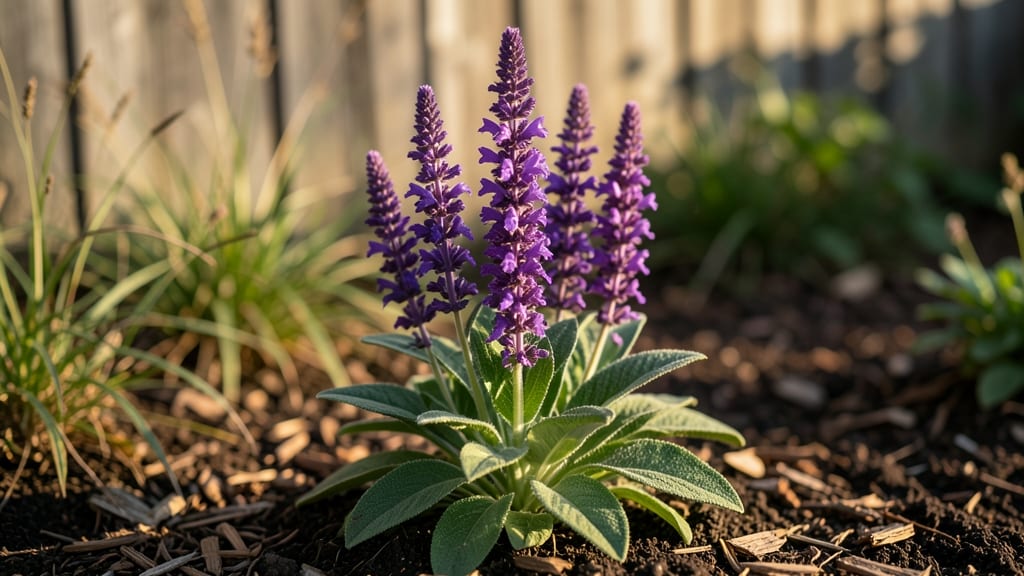
Purple flowers against green foliage create the kind of vertical drama that makes neighbors pause and ask, "What is that?" 🌿 My Ozark garden thrives on this color combo—it’s bold, resilient, and works in sun or shade where so many plants fail.
The secret lies in pairing the right plants: Salvia’s spiky purple blooms against its deep green leaves, or Lobelia’s cascading purple flowers framing glossy foliage.
These plants aren’t just pretty—they’re tough. Salvia handles drought once established, while Lobelia thrives in containers where it spills over edges like a purple waterfall. Petunias add another layer with their velvety purple blooms, and all three bring seasonal interest from spring through fall.
The key? Plant them in clusters of three or five for maximum impact.
You’ll end up with borders that pop, containers that overflow with color, and vertical gardens that draw the eye upward. The purple flowers contrast sharply against the green, creating a striking visual that feels intentional yet effortless. Plus, these plants are low-maintenance once you get them established.
Works in sunny beds, shady corners, or even hanging baskets—perfect for adding drama without the fuss. Let’s bring that Ozark-inspired color to your garden!
📚 In This Guide
- What you need
- Instructions
- Tips and common mistakes
- Wrapping up and next steps
What you need
- ● Plants: Choose Ozark-friendly varieties like: 1–3 Heuchera (Coral Bells) – for vibrant foliage (purple, silver, or lime green)
- ● 1–2 Lobelia (e.g., 'Crystal Palace' or 'Queen Victoria') – for trailing purple blooms
- ● 1 Fuchsia (e.g., 'Giant Marble') – for lush green leaves + purple-pink flowers
- ● 1 Impatiens (e.g., 'Super Elfin') – shade-loving purple blooms
- ● Vertical Planter: 1 Wall-mounted pocket planter (12–24 pockets, 6–8" deep)
- ● OR 1 hanging planter (12"+ depth, with drainage holes)
- ● Growing Medium: 2–3 bags high-quality potting mix (moisture-retentive, well-draining)
- ● 1 cup perlite or orchid bark (for aeration)
- ● Tools: 1 hand trowel (for planting)
- ● 1 spray bottle (for misting seedlings)
- ● 1 pruning shears (for trimming)
- ● Hardware: 4–6 wall anchors or screws (if mounting to brick/stucco)
- ● 1 hook or bracket (for hanging planters)
- ● Slow-release fertilizer (e.g., Osmocote) – for nutrient boosts
- ● Moss or decorative stones – to enhance vertical texture
- ● LED grow lights (for low-light spots)
- ● Self-watering system (e.g., wicking trays for hanging planters)
- ● Decorative stakes or trellis – to guide trailing plants
Step-by-step guide for planting Ozark-resistant vertical gardens
Here's how to create stunning vertical displays with hardy plants that thrive in sun or shade.
🪴 Step 1: Choose Your Vertical Structure and Location
Select a sturdy vertical planter designed for 4 plants—trellises, wall pockets, or hanging baskets all work well. For sun exposure, position it where it gets at least 6 hours of direct light daily. In shadier spots, opt for varieties that tolerate lower light conditions. I like to install mine near a south-facing wall or under a large tree with dappled shade.
Make sure your structure can handle 10-15 pounds of soil and plants when fully watered. If using a fabric pocket system, pre-soak the pockets for 10 minutes before planting to help them hold moisture. Check that drainage holes are present—poor drainage will kill your plants faster than anything else.
🌱 Step 2: Prepare Soil and Plant Your Selections
Fill your vertical planter with 2 gallons of high-quality potting mix mixed with 1 cup of perlite for better drainage. This lightweight combination prevents soil compaction in vertical spaces. I like to add a slow-release fertilizer at this stage to give my plants a nutrient boost right from the start.
Plant your 4 Ozark-resistant varieties—whether they're purple-flowering cleome, salvia, or other native beauties—spreading them evenly across the structure. Dig holes just deep enough to cover the roots but not bury the stems. Press the soil gently around each plant to remove air pockets, then water thoroughly until it drains from the bottom.
☀️ Step 3: Establish Watering and Light Routines
Vertical gardens dry out faster than ground-level ones, so check moisture daily during the first 2 weeks. Water when the top 1 inch of soil feels dry to the touch. A simple way to test is to stick your finger into the soil—if it comes out clean, it's time to water. In hot afternoons, I water in the morning to prevent evaporation.
Adjust light exposure gradually if your plants show stress. Leggy growth or pale leaves mean they need more light, while yellowing leaves signal too much sun. Most Ozark varieties handle shade well, but they'll still produce more vibrant flowers with adequate light. Rotate your structure a quarter turn weekly to encourage even growth toward all sides.
✂️ Step 4: Maintain Growth and Encourage Vertical Drama
Once your plants reach 6 inches tall, start training them to climb or spread along the structure. For vining plants, gently weave stems through the trellis or pockets as they grow. Prune back any leggy growth to encourage bushier, fuller plants. I like to pinch off the tips of new growth to promote branching—this creates that lush, dramatic look you're after.
Deadhead spent blooms regularly to encourage continuous flowering. Simply snip off the faded flowers with clean scissors, cutting just above a set of healthy leaves. This simple step keeps your vertical display looking fresh and prevents the plant from putting energy into seed production. Feed your plants with a balanced liquid fertilizer every 4-6 weeks** during the growing season to keep them thriving.
Tips & tricks for perfect Ozark-resistant vertical gardens
Here's what nobody tells you about creating vertical gardens that actually thrive—especially when working with Ozark-resistant plants.
Structure Stability: I can't stress this enough—your vertical planter needs to be sturdy enough for 10-15 pounds of wet soil and plants. I've seen too many lightweight fabric pockets collapse under weight. If you're using a DIY system, reinforce it with zip ties or a metal frame. For wall-mounted planters, use L-brackets rated for at least 20 pounds—safety first, especially if you're mounting near walkways.
Soil Science: The 2 gallons of potting mix with 1 cup perlite ratio is perfect, but don't skip the slow-release fertilizer. I've found that adding 1 tablespoon of compost to that mix gives my Ozark varieties an extra boost of nutrients they crave. Also, if your soil mix feels too dense after adding perlite, fluff it with your hands—this prevents compaction that can strangle roots in vertical spaces.
Watering Wisdom: Those first 2 weeks are critical for establishing roots. I've learned the hard way that morning watering is non-negotiable in hot weather—afternoon watering leads to evaporation before roots can absorb it. Pro tip: Use a spray bottle to mist the soil surface daily during this period. It keeps the top layer moist while preventing waterlogging at the bottom.
Light Rotation: The weekly quarter-turn rotation in Step 3 makes all the difference for even growth. I've seen plants grow lopsided when left unrotated, especially in south-facing locations. Set a phone reminder every Sunday morning—just a quick 30-second turn keeps your vertical garden looking balanced and professional. This also helps prevent shade from one side causing uneven growth patterns.
Pro Tips for Green Foliage With Purple Flowers
- Here's what nobody tells you about creating vertical gardens that actually thrive—especially when working with Ozark-...
- Structure Stability: I can't stress this enough—your vertical planter needs to be sturdy enough for 10-15 pounds of w...
- Soil Science: The 2 gallons of potting mix with 1 cup perlite ratio is perfect, but don't skip the slow-release ferti...
Frequently asked questions
Got questions about adding green foliage with purple flowers to your Ozark garden? You’re not alone! Here are some common queries—and the answers you need to create stunning vertical drama in sun or shade.
What are the best low-maintenance plants for Ozark gardens with purple flowers and green foliage?
Look for Coral Bells (Heuchera), Foamflower (Tiarella), or Bleeding Heart (Dicentra)—all thrive in Ozark’s climate. For vertical interest, try Cobaea scandens (Cup-and-Saucer Vine) or Clematis varieties like ‘Jackmanii.’ These handle shade and require minimal fuss once established.
When is the ideal time to plant these for maximum purple blooms?
Plant in early spring (March-April) or fall (September-October) for the best root establishment. Purple bloomers like Salvia or Lobelia often reward you with vibrant flowers if planted 6–8 weeks before the first frost. Avoid summer heat stress!
Can these plants handle full sun or do they prefer shade?
It depends! Heuchera and Astilbe love shade, while Salvia or Clematis tolerate full sun (with extra water). For Ozark’s intense sun, pair shade-lovers with a trellis or arbor to create dappled light zones. Test your garden’s microclimates first!
How do I troubleshoot yellow leaves or sparse blooms?
Yellow leaves often signal overwatering or poor drainage. Ensure pots/beds have holes and mulch well. Sparse blooms? Check sunlight—purple flowers like Lobelia may need more shade, while Salvia thrives in sun. Deadhead spent blooms to encourage reblooming!
Are there drought-resistant alternatives for purple flowers?
Try Purple Coneflower (Echinacea), Russian Sage (Perovskia), or Catmint (Nepeta). These handle Ozark’s dry spells and attract pollinators. For foliage, Lamb’s Ear (Stachys byzantina) adds silvery texture with minimal water.
Wrapping up and next steps
Transforming your space with green foliage and purple flowers isn’t just about aesthetics—it’s about creating a thriving, low-maintenance oasis that thrives in Ozark conditions. Whether you’re embracing sun-kissed gardens or cozy shade spots, these plants deliver year-round drama with minimal fuss. 🌿✨
Ready to take the next step? Start small—pick one or two varieties from this list, gather your supplies, and dive in! Before you know it, your vertical garden will be a vibrant, conversation-starting masterpiece. Happy planting!