
Advice
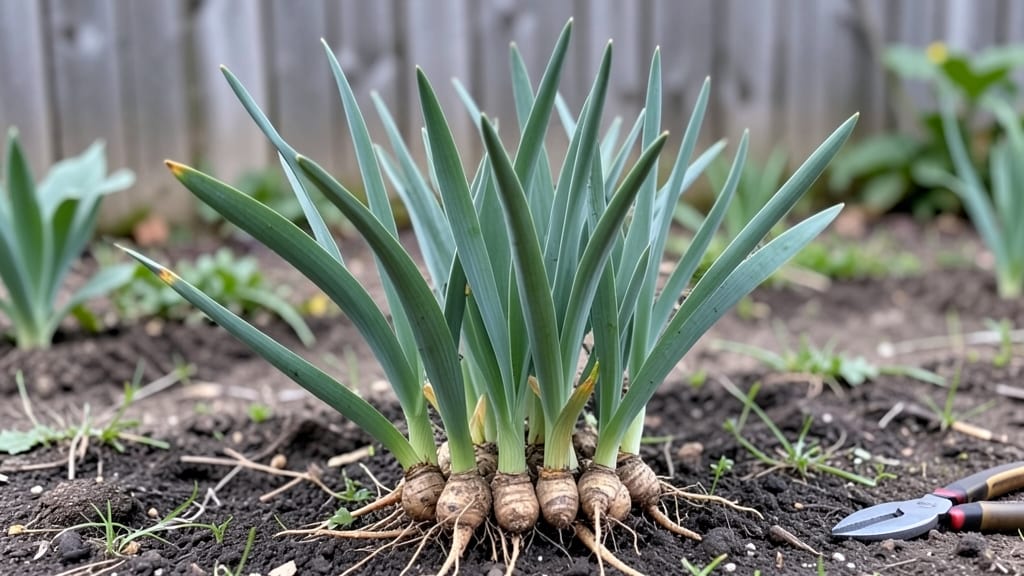
Irises not flowering after years of growth is the gardening equivalent of buying a fancy car that refuses to start—frustrating, especially when you’ve poured in time and care. 🌿 I’ve dug up clumps that looked healthy only to find them packed with leaves but no blooms, and it turns out the fix often comes down to sunlight, crowding, or a little strategic pruning.
The good news? Most of these issues have simple solutions that work even for beginners.
Overcrowding is the #1 culprit—irises multiply underground, and after 3-5 years, the center rhizomes get buried under a tangle of leaves, starving the plant of energy. Too little sunlight (less than 6 hours daily) or rich soil that encourages leaf growth over blooms can also shut down flowers.
And yes, even well-established plants need a little dormancy in late summer to trigger next year’s buds.
Dividing your clump in early fall or spring gives you fresh starts with room to grow, while cutting back old leaves after blooming redirects energy to next year’s flowers.
A balanced fertilizer in late summer—when most gardeners forget—is another game-changer. Within a season, you’ll see those classic sword-shaped leaves paired with the dramatic blooms you planted for.
This works for both bearded and Siberian irises, and the same principles apply whether you’re in Zone 4 or 9. The key is acting before the problem becomes permanent—so grab those gloves and let’s get those rhizomes back on track.
Root Causes of Stubborn Irises
If your irises are putting on a no-show for their usual springtime blooms, don’t panic—there’s almost always a logical explanation. Irises are hardy plants, but they’re also fussy about their conditions, and even small oversights can send them into a flowering strike.
Below, we break down the most common culprits, backed by science, so you can pinpoint the issue and get those dramatic blooms back on track.
Irises are sun worshippers, and depriving them of light is like asking a marathon runner to sprint on a treadmill—it just won’t happen. Most iris varieties (especially the classic Iris germanica and Iris sibirica) need 6 to 8 hours of direct sunlight daily to trigger flowering.
Here’s why shade steals their show:
- Photosynthesis slowdown: Less light means fewer sugars produced in the leaves, which are the energy source for flower buds forming underground in the rhizomes.
- Weakened dormancy signals: Irises rely on light exposure to break dormancy and initiate blooming. Shade confuses their internal clock, delaying—or even canceling—the process.
- Competition from foliage: Overly dense clumps or nearby trees/shrubs can block light and crowd out the plant, leaving it energy-starved.
Actionable fix: Audit your iris’s sunlight situation. If it’s in partial shade, try moving it to a sunnier spot (morning sun is ideal to avoid scorching). For container irises, rotate pots monthly to ensure even light exposure.
Irises are drought-tolerant once established, but water stress—whether from overwatering or neglect—can halt flowering. Here’s how it messes with their biology:
| Problem | Why It Stops Blooms | Signs to Watch For |
|---|---|---|
| Overwatering | Excess moisture rots rhizomes (their underground stems) and suffocates roots, preventing nutrient uptake. Rhizomes need to dry out slightly between waterings to trigger dormancy and flowering. | Mushy, discolored rhizomes; yellowing leaves; mold at soil line. |
| Underwatering | Drought stress forces the plant to conserve energy for survival, diverting resources away from flower bud development. Irises store water in their rhizomes, but severe dry spells can deplete these reserves. | Wrinkled, grayish leaves; crispy leaf edges; rhizomes that feel hollow when pressed. |
Actionable fix:
- Water deeply once a week (or when the top 2 inches of soil are dry) during the growing season. Irises hate soggy feet!
- Ensure well-draining soil—amend clay soil with sand or gravel. Raised beds or containers help if your yard is prone to waterlogging.
- Avoid overhead watering, which can encourage fungal diseases (like iris borer) that further stress the plant.
Irises are light feeders, but they do need specific nutrients to produce flowers. Missing key elements can leave them looking lush but flowerless. Here’s what’s likely missing:
- Phosphorus (P): The "flower power" nutrient. Low phosphorus delays or prevents bud formation because it’s critical for energy transfer and root development.
- Potassium (K): Helps regulate water and nutrient movement, and a deficiency can weaken the plant’s ability to support heavy flower spikes.
- Micronutrients (like boron): Even tiny amounts are vital. Boron, for example, aids in cell wall formation—without it, flower buds may abort.
Actionable fix:
- Test your soil (a DIY kit works). Aim for a balanced fertilizer like 5-10-10 (N-P-K) in early spring.
- Avoid high-nitrogen fertilizers (like lawn food), which promote leafy growth at the expense of blooms.
- Top-dress with compost or bone meal (for phosphorus) in late winter to jumpstart flowering.
Irises are perennials with a lifespan, and after 3–5 years, their rhizomes (those thick, fleshy roots) can become overcrowded or exhausted. Here’s how it plays out:
- Rhizome fatigue: Older rhizomes deplete stored nutrients and struggle to produce new flower stalks. Their energy goes into maintaining the existing plant rather than creating blooms.
- Competition for resources: Dense clumps of rhizomes compete for sunlight, water, and nutrients, leaving little energy for flower production.
- Disease buildup: Crowded conditions trap moisture, inviting fungal infections (like rhizome rot) that further stress the plant.
Actionable fix: Divide and conquer! Here’s how:
- 🔪 Time it right: Dig up rhizomes in late summer or early fall (after flowering but before winter dormancy).
- 🌱 Inspect and select: Cut away any mushy, diseased, or hollow rhizomes. Keep only firm, plump ones with at least one fan of leaves and a healthy root system.
- 📏 Replant properly: Space rhizomes 12–24 inches apart in a sunny spot with well-draining soil. The top of the rhizome should be exposed (not buried)—this prevents rot and encourages new growth.
Some invaders chew, burrow, or infect irises, sapping their energy and stopping blooms in their tracks. The top culprits:
- Iris borer (Macronoctua onusta): The larvae of this moth tunnel into rhizomes, disrupting nutrient flow and causing wilting. Infested rhizomes may ooze sap or have small holes.
- Thrips: These tiny pests feed on flower buds, causing them to fail to open or deform. Look for silvery streaks on leaves or buds.
- Fungal diseases (e.g., iris leaf spot): Overwatering or humidity fosters fungi that discolor and weaken leaves, reducing the plant’s ability to photosynthesize and produce flowers.
Actionable fix:
- Prevent borers: Apply neem oil or kaolin clay in early spring to deter adults. Handpick egg masses (tiny white specks on rhizomes).
- Combat thrips:
Fixing Irises That Refuse to Bloom
If your irises are stubbornly skipping their floral show, don’t panic—most issues have straightforward fixes! Below, we’ve mapped common causes to actionable solutions, plus prevention tips to keep your plants thriving for years to come. Let’s get those blooms back on track!
---
Fix it: Irises crave sunlight—at least 6 to 8 hours of direct sun daily for optimal flowering. If your plants are tucked in shade, relocate them to a sunnier spot gradually (over 1–2 weeks) to avoid shock.
- How to do it: 🔥 Pick the perfect spot: South- or west-facing gardens are ideal.
Avoid deep shade (like under trees) or areas with afternoon shade in hot climates. 👨🍳 Dig and divide (if needed): If your irises are crowded, divide clumps in early fall or spring, then replant rhizomes in full sun. 🌡️ Test your soil: Poor drainage in shady spots can worsen root stress.
Amend heavy soil with compost or sand.
Prevent relapse: ✨ Stake out the sun: Mark sunny spots with flags or stakes before transplanting to avoid mistakes. 🎯 Mulch lightly: Use 1–2 inches of organic mulch (like straw) to retain moisture without smothering roots.
---
Fix it: soggy soil = unhappy irises. These plants hate wet feet. If your garden stays damp (or you’ve overwatered), take corrective action now.
- How to do it: 🔥 Check drainage: Dig a hole near your irises—if water pools after 30 minutes, drainage is poor. 🍳 Raise beds or amend soil: Mix in perlite, coarse sand, or gravel to improve aeration.
For heavy clay, consider raised beds. ⏰ Adjust watering: Irises need moderate water—about 1 inch per week (more in extreme heat). Water at the base (not the leaves) to prevent rot.
Prevent relapse: 💡 Plant in hills: Slightly elevated beds help water drain faster. 🌡️ Monitor soil moisture: Stick your finger 2 inches deep—water only if the soil is dry.
---
Fix it: Irises multiply over time, but crowded rhizomes compete for nutrients, leading to fewer (or no) blooms. Divide clumps every 3–4 years to revive growth.
- How to do it: 🔪 Divide in fall or spring: Use a shovel to lift the rhizome cluster, then separate sections with at least one fan of leaves per division. 👨🍳 Replant correctly: Bury rhizomes shallowly—only 1/3 of the rhizome should be underground.
Space divisions 12–24 inches apart. 🌱 Fertilize lightly: After dividing, apply a balanced fertilizer (10-10-10) or compost to encourage new growth.
Prevent relapse: ✨ Set a reminder: Mark your calendar to divide irises every 3–4 years. 🎯 Thin early: If you notice fewer blooms, check for overcrowding before dividing.
---
Fix it: Irises need phosphorus and potassium for blooms, but too much nitrogen = leafy monsters with no flowers. Adjust your fertilizer strategy.
- How to do it: 📊 Test your soil: A simple home soil test kit ($10–$20) reveals deficiencies.
Irises thrive in slightly acidic to neutral soil (pH 6.0–7.0). 💪 Fertilize for flowers: Use a low-nitrogen, high-phosphorus fertilizer (like 5-10-10) in early spring as new growth emerges. 🥗 Add organic matter: Mix in bone meal (for phosphorus) or composted manure to boost nutrients naturally.
Prevent relapse: 💡 Avoid over-fertilizing: Too much nitrogen = lush leaves, no blooms. Stick to 2–3 feedings per year max. 🌡️ Mulch with purpose: Use low-nitrogen mulch like wood chips or straw to feed roots slowly.
---
Fix it: Aphids, iris borers, or fungal issues can stress plants into skipping blooms. Act fast to restore health.
- How to do it: 🔥 Spot and treat pests: - Aphids/spider mites: Spray with neem oil or soapy water (1 tsp mild soap per quart of water). - Iris borers: Dig up infested rhizomes, soak in hot water (110°F for 20 mins), then replant. 🍳 Fungal issues (like leaf spot): Remove infected leaves, then apply copper fungicide or baking soda spray (1 tbsp baking soda + 1 quart water + a drop of soap). 🌱 Prevent future outbreaks: Space plants for airflow, water in the morning, and avoid overhead sprinklers.
Prevent relapse: ✨ Inspect regularly: Check undersides of leaves and rhizomes for eggs, holes, or discoloration monthly. 🎯 Rotate treatments: If pests return, switch to a different organic pesticide to avoid resistance.
Fix it: Young irises (under 2 years) or mature ones (over 5 years) may skip blooms. Give them time—or encourage growth with targeted care.
- How to do it: 🔥 For young irises: Focus on sun, water, and soil health. Blooms may take 2–3 years to appear. 🍳 For old irises: Divide and rejuvenate—sometimes, mature rhizomes get lazy.
Cut back dead foliage in late fall, then fertilize in spring. ⏰ Encourage dormancy: In late summer, stop watering to let rhizomes harden off before winter. This boosts next year’s blooms.
Prevent relapse: 💡 Deadhead wisely: Remove spent blooms (but leave seed pods if you want more plants). 🌡️ Protect from frost: Mulch heavily in winter to shield rhizomes from extreme cold.
Before you give up, run through this quick checklist to troubleshoot: 1. Sunlight? ✅ 6+ hours/day. 2. Drainage? ✅ No soggy soil. 3. Spacing? ✅ Rhizomes 12–24" apart. 4. Fertilizer? ✅ Low-nitrogen, high-phosphorus. 5. Pests? ✅ No borers, aphids, or fungus.
If you’ve checked all boxes and still no blooms? Your irises might just be taking a break—give them another season! 🌸
Frequently asked questions
1Why won't my irises bloom even after years of growth?
Overcrowded rhizomes are the #1 culprit—after 3-5 years, the center becomes buried under leaves, starving the plant of energy. Too little sunlight (6 hours/day) or rich soil that encourages leafy growth over blooms can also stop flowers. Check for these first before assuming your plants are "done."
2Can I fix non-flowering irises by just adding fertilizer?
Not always! Too much nitrogen (like lawn fertilizer) makes irises grow leaves but no blooms. Instead, use a low-nitrogen, high-phosphorus fertilizer (like 5-10-10) in early spring. Test your soil first—irises need phosphorus and potassium for flowers, not just general nutrients.
3Is it too late to divide my irises if they haven't bloomed in years?
Never! Dividing is the fastest fix—dig up the clump in early fall or spring, separate firm rhizomes with leaves, and replant them 12-24 inches apart in full sun. This gives them space to grow and bloom again. Even 10-year-old irises can bounce back with proper division!
4Why are my iris leaves yellow but no flowers appear?
Yellow leaves usually mean overwatering or poor drainage—irises hate soggy soil. Check if water pools around the roots after rain. Yellowing can also signal nutrient deficiencies (like iron or magnesium) or fungal issues. Try amending soil with sand or compost, and water only when the top 2 inches are dry.
5Do Siberian irises need different care than bearded irises?
Both types follow the same rules, but Siberian irises tolerate more shade (4-6 hours of sun) and moist soil better. Bearded irises prefer full sun and drier conditions. The key difference? Siberians bloom slightly later (mid-to-late summer) and handle cooler climates more easily.