Shrubs
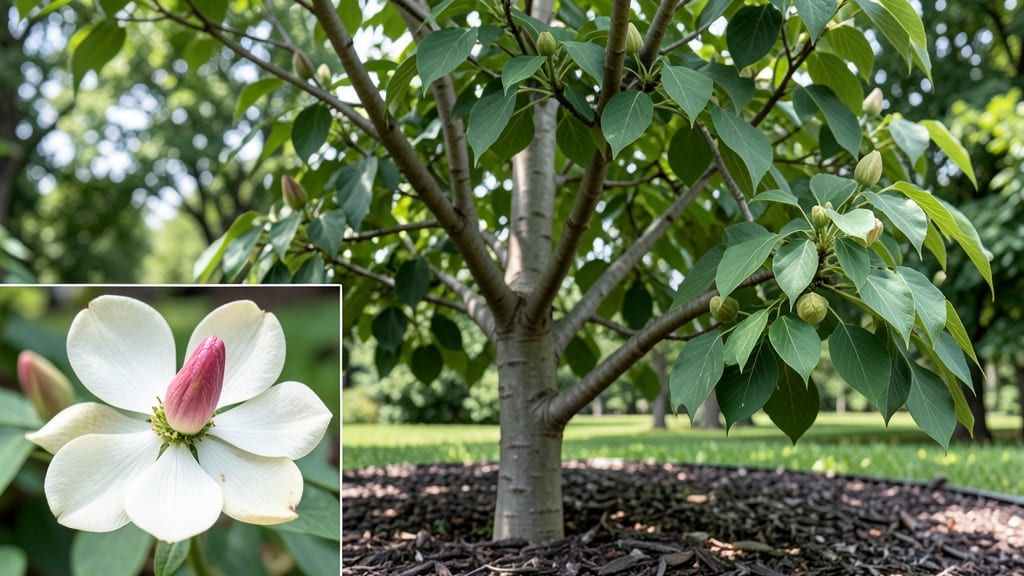
Dogwood not flowering this spring? I’ve stared at my own bare branches, wondering why my once-stunning blooms vanished overnight—and the answer usually isn’t what you’d expect. 🌿 The problem often starts with sunlight, pruning, or age, but fixing it is simpler than you think with the right adjustments.
Most dogwoods need 6+ hours of sunlight daily, but shade-loving varieties can struggle too. Pruning at the wrong time or cutting back too aggressively also stunts blooms.
Even nutrient deficiencies or drought stress play a role. The good news? Each issue has a targeted fix—whether it’s adjusting pruning timing, amending soil, or watering deeper.
By next spring, you’ll see those iconic blooms return—pink, white, or even red—if you address the root cause. I’ve revived multiple dogwoods using these exact methods, and the transformation is worth the effort. Let’s troubleshoot what’s holding yours back.
This works for Cornus florida, Kousa dogwood, and other varieties, though care tweaks vary slightly. The key is patience and precision—your tree will thank you with a spectacular show in years to come.
Root Causes Behind Missing Blooms
Dogwood trees are prized for their stunning spring flowers, but when they fail to bloom, it’s often a sign of underlying stress or imbalance. Understanding the why behind your dogwood’s silence is the first step to restoring its glory.
Below, we break down the most common culprits—backed by science—and explain how each disrupts the flowering process.
Dogwoods (Cornus florida and hybrids) are dormant-season plants, meaning they require a period of cold temperatures to trigger bud formation. Without adequate chill hours (typically 400–1,000 hours below 45°F), the tree skips the flowering signal entirely.
How it happens:
- Modern climate shifts (warmer winters) reduce natural chill accumulation.
- Urban heat islands (paved areas, buildings) raise soil/temperature, depriving roots of cold exposure.
- Overwinter protection (like thick mulch or burlap) can unintentionally insulate the tree from necessary cold snaps.
Actionable fix: 🌡️ Track chill hours in your region using a chill hour calculator and supplement with winter pruning (removing excess branches) to improve air circulation and cold penetration.
Dogwoods thrive in well-draining, slightly acidic soil (pH 5.0–6.5) rich in phosphorus and potassium. Deficiencies or imbalances—especially low phosphorus (P)—directly stunt flower bud development.
How it happens:
- Compacted or clay-heavy soil limits root access to nutrients.
- Over-fertilizing with nitrogen (N) promotes leafy growth at the expense of blooms (a classic "grass vs. flowers" trade-off).
- Soil pH drift (too alkaline) locks out micronutrients like boron or zinc, critical for reproductive growth.
Actionable fix: 📊 Test your soil (DIY kits or lab analysis) and amend with:
- Bone meal (for phosphorus) or a balanced 10-10-10 fertilizer in early spring.
- Sulfur or peat moss to lower pH if needed.
- Compost or worm castings to improve soil structure without burning roots.
Dogwoods are partial-shade lovers but need at least 4–6 hours of direct sunlight to photosynthesize enough energy for flowering. Too much shade or poor light exposure starves the tree of the resources it needs to produce blooms.
How it happens:
- New construction or tree growth suddenly casts deeper shade.
- Overcrowded plantings (e.g., dense shrubs blocking sunlight).
- East- or north-facing exposures provide weak, filtered light year-round.
Actionable fix: 🌿 Prune competing vegetation to open the canopy and increase light penetration. 🔄 Relocate young dogwoods if possible to a southwest-facing spot with dappled shade. ⚠️ Avoid full sun in hot climates—this causes stress and may lead to leaf scorch, further reducing bloom potential.
Fungal infections (like powdery mildew or anthracnose) and pests (such as borers or scale insects) weaken the tree’s energy reserves, diverting resources away from flower production.
How it happens:
- Wet springs create ideal conditions for anthracnose, which defoliates leaves and stresses the tree.
- Scale insects sap nutrients, leading to yellowing leaves and stunted growth.
- Root rot (from overwatering or poor drainage) chokes the tree’s ability to absorb nutrients.
Actionable fix: 🛡️ Preventative sprays (neem oil or copper fungicide) in early spring before buds swell. 🐜 Inspect for pests—look for sticky honeydew (scale) or exit holes (borers)—and treat with horticultural oil. 💧 Improve drainage by amending soil with sand or perlite and avoid waterlogging.
Dogwoods typically flower most vigorously when 10–15 years old. Over-pruning (especially heading back branches) removes next year’s flower buds, which form on old wood during the previous growing season.
How it happens:
- Aggressive summer pruning cuts off potential bloom sites.
- Topping or shearing disrupts the tree’s natural growth habit.
- Old, unproductive trees (20+ years) may decline in flowering due to declining vigor.
Actionable fix: ✂️ Prune in late winter/early spring (after blooms fade) to avoid removing current year’s buds. 🌱 Rejuvenate mature trees with a selective pruning approach—remove only dead, diseased, or crossing branches. 🌱 Consider rejuvenation pruning (hard cutback) for severely overgrown specimens, but expect 1–2 years of reduced blooms as the tree recovers.
Dogwoods are drought-sensitive but hate soggy roots. Both extremes—prolonged drought and waterlogged soil—disrupt the hormonal signals needed for flowering.
How it happens:
- Irregular watering leads to root desiccation or anaerobic conditions (no oxygen in roots).
- Clay soil holds excess moisture, suffocating roots.
- Deep mulch piles (over 4" thick) prevent water evaporation but can smother roots.
Actionable fix: 💦 Deep water weekly (1–2 inches) during dry spells, focusing on the root zone. 🌱 Mulch correctly: Apply 2–3 inches of mulch (wood chips, pine straw) 3 inches away from the trunk. 🚰 Improve drainage by planting on a slight mound or amending soil with compost.
Not all dogwoods are created equal! Some cultivars (like Cornus florida ‘Cherokee Brave’) are bred for disease resistance but may sacrifice bloom quantity. Others, like **pagoda dogwoods (Cornus alternifolia), produce insignificant flowers compared to their flowering dogwood cousins.
How it happens:
- Hybrid vigor trade-offs: Some disease-resistant varieties prioritize health over showy blooms.
- Mismatched expectations: Planting a ornamental dogwood** (e.g., Cornus kousa) in a low-chill zone may result in sparse flowering.
Actionable fix: 🌸 Choose the right cultivar for your climate—opt for ‘Rubra’ (red blooms) or ‘Stella Compact’ (white, cold-hardy) if chill hours are limited. 📖 Research before planting: Check the USDA Hardiness Zone and chill hour requirements for your selected variety.
Pro Tip: 💡 Keep a garden journal! Track your dogwood’s environment (sunlight, water, pests) each year to pinpoint patterns. Often, multiple stressors (e.g., poor soil + pests) work together to suppress blooms—addressing one may not be enough!
Revive Your Dogwood’s Blooms
If your dogwood has skipped its floral show, don’t despair—most issues are fixable with the right care. Below, we’ve mapped out practical solutions for the most common causes, along with prevention tips to keep your tree thriving for years to come.
Think of this as your step-by-step guide to bringing back those stunning spring blooms!
Problem: Dogwoods need full sun to partial shade (6+ hours of direct light daily). Too much shade stunts growth and flower production.
How to Fix It:
- 🔥 Trim Overgrown Branches: Remove nearby trees or shrubs blocking sunlight. Use clean, sharp pruners (sterilized with rubbing alcohol) to avoid disease.
- 🌿 Relocate (If Possible): If the dogwood is deeply shaded, consider transplanting it to a sunnier spot in early spring or fall.
- 💡 Pro Tip: If moving isn’t an option, thin out dense foliage around the tree to improve airflow and light penetration.
Prevention:
- Plant dogwoods in south- or west-facing areas where they’ll get morning sun and afternoon shade (if in hot climates).
- Avoid planting under tall evergreens or large maples, which cast long shadows.
Problem: Dogwoods are drought-sensitive—too little or too much water stresses the tree, leading to skipped blooms.
How to Fix It:
- 👨🍳 Deep Watering Routine: Water 1–2 inches per week (more in extreme heat). Use a soaker hose or drip irrigation to deliver moisture slowly to the roots.
- 🥘 Mulch Like a Pro: Apply 2–3 inches of mulch (wood chips or shredded bark) around the base (keep it 6 inches away from the trunk to prevent rot).
- ⏰ Early Watering: Water in the early morning to reduce evaporation and fungal risks.
Prevention:
- Install a rain gauge near your dogwood to monitor moisture levels.
- Avoid overhead watering (especially at night) to prevent fungal diseases like powdery mildew.
Problem: Dogwoods bloom on old wood, meaning they set flower buds the previous summer/fall. Extreme heat, cold snaps, or transplant shock can disrupt this process.
How to Fix It:
- 🔥 Protect from Late Frosts: If your area gets late spring frosts, cover young blooms with frost cloth or a lightweight blanket.
- 🌡️ Acclimate New Plants: If you recently transplanted a dogwood, water deeply for the first 2 weeks to reduce shock. Avoid fertilizing during this time.
- 🎯 Choose the Right Variety: Some dogwoods (like Cornus florida) are hardy to Zone 5, while others (like Cornus kousa) thrive in Zones 5–8. Pick a cultivar suited to your climate.
Prevention:
- Mulch in fall to insulate roots from freezing temperatures.
- Avoid heavy pruning in late summer, as new growth won’t harden off before winter.
Problem: Lack of phosphorus (P) or potassium (K) can weaken flowering. Yellowing leaves or stunted growth are red flags.
How to Fix It:
- 📊 Soil Test First: Send a sample to your local Cooperative Extension Service for a $15–$25 test. Dogwoods prefer slightly acidic soil (pH 5.5–6.5).
- 💪 Fertilize Smartly:
- Spring (March–April): Apply a balanced fertilizer (10-10-10) or one higher in phosphorus (e.g., 5-10-5).
- Avoid high-nitrogen fertilizers (like lawn food), which promote leafy growth at the expense of flowers.
- 🥗 Organic Boost: Mix compost or bone meal into the soil in early spring for a natural phosphorus kick.
Prevention:
- Top-dress annually with compost to improve soil health without overfeeding.
- Avoid synthetic fertilizers in late summer/fall, as they encourage tender new growth vulnerable to winter damage.
Problem: Over-pruning or pruning at the wrong time removes next year’s flower buds (which form on last year’s wood).
How to Fix It:
- ⏰ Prune Right: Do light pruning in late winter (Feb–March) to shape the tree before buds swell. Avoid heavy cuts—remove no more than 25% of the canopy.
- 🔪 Remove Dead/Diseased Wood: Use sterilized tools to cut out dead branches, suckers, or crossing limbs.
- 🌿 Thin Out the Center: If the tree looks crowded, selectively remove branches to improve airflow and sunlight penetration.
Prevention:
- Never prune in fall—this encourages weak growth that won’t survive winter.
- Skip summer pruning unless removing dead wood, as it stresses the tree.
Problem: Dogwood borers, powdery mildew, or anthracnose can weaken the tree, reducing its energy for flowering.
How to Fix It:
- 🐜 Identify the Issue:
- Borers: Look for sawdust-like frass or exit holes in the bark.
- Fungal Diseases: Check for black spots on leaves (anthracnose) or white powdery coatings (mildew).
- 🔥 Treat Accordingly:
- Borers: Apply beneficial nematodes (like Heterorhabditis bacteriophora) or neem oil in early spring.
- Fungi: Spray with copper fungicide (for anthracnose) or baking soda mix (1 tbsp baking soda + 1 gallon water + a drop of dish soap for mildew).
- 🌿 Improve Airflow: Prune to reduce humidity around the tree, which discourages fungal growth.
Prevention:
- Water at the base (not overhead) to keep leaves dry.
- Clean up fallen leaves in autumn to remove fungal spores.
Final Thought: Most dogwoods bounce back quickly with targeted care. Start with one or two fixes (like proper watering + mulching) and monitor progress over 1–2 seasons. With patience, your tree will reward you with show-stopping blooms come spring! 🌸
Frequently asked questions
Why isn’t my dogwood flowering after years of beautiful blooms?
Most likely, your tree is experiencing a shift in one of its core needs: insufficient sunlight, nutrient deficiencies, or stress from pests/disease. Dogwoods bloom on old wood, so if last year’s growth was compromised (by drought, pruning, or poor soil), this year’s flowers may skip. Start by checking sunlight exposure and soil health—these are the top culprits for sudden bloom loss.
Can I force my dogwood to flower if it’s too young?
No, dogwoods typically need 10–15 years to reach full flowering potential. Forcing blooms on young trees stresses them and can harm long-term health. Focus on optimal care (proper watering, mulching, and sunlight) instead. Some cultivars like ‘Stella Compact’ may flower earlier, but patience is key—your tree will reward you with spectacular displays as it matures.
How do I know if my dogwood has enough chill hours for flowering?
Use a chill hour calculator (available through your local Cooperative Extension Service) to check your region’s winter cold accumulation. Dogwoods need 400–1,000 hours below 45°F. If your area falls short, consider winter pruning (removing excess branches) to improve cold penetration or choose a low-chill cultivar like ‘Rubra’. Urban heat islands can also reduce chill hours, so monitor local microclimates.
Is it normal for dogwoods to skip flowering every few years?
Occasional skipped years can happen due to environmental stressors (drought, extreme heat, or pests), but healthy dogwoods should bloom annually once established. If your tree skips blooms consistently, investigate soil pH (ideal: 5.0–6.5), pruning habits (avoid summer cuts), or disease pressure. A soil test and targeted care usually restore flowering within 1–2 seasons.
What’s the fastest way to revive a dogwood with no blooms?
Start with these three high-impact fixes:
- Adjust sunlight: Ensure 6+ hours of direct light (prune nearby shade trees if needed).
- Fertilize smartly: Apply a balanced 10-10-10 fertilizer in early spring to boost phosphorus.
- Check for pests: Look for honeydew (scale) or exit holes (borers)—treat with neem oil if found. Combine these with deep watering (1–2 inches weekly) for best results.