Blooming
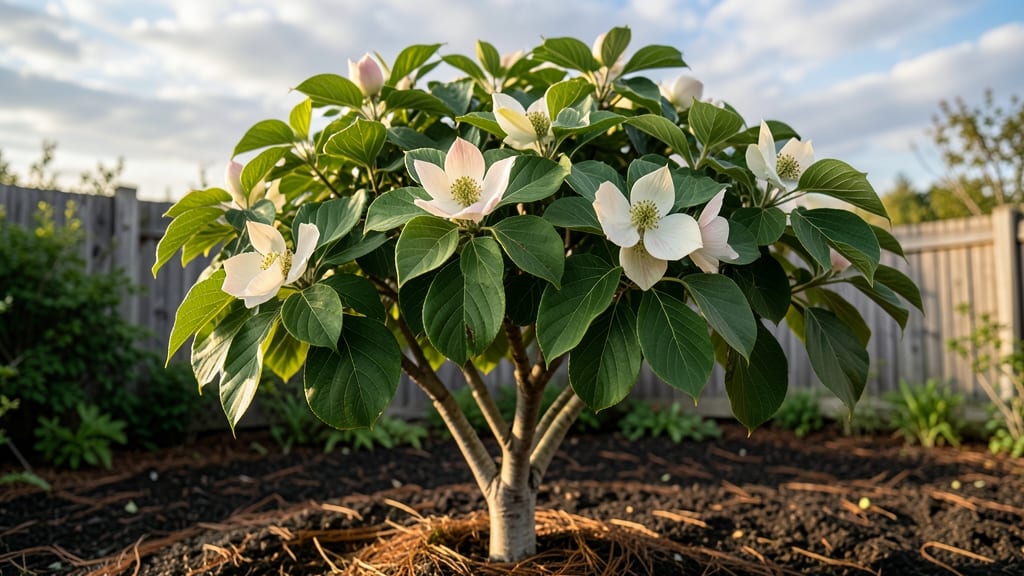
The flowering dogwood bloom 🌸 is the crown jewel of spring gardens, but catching it at its peak takes more than luck—it’s about understanding your tree’s rhythm.
Picture this: your dogwood sits there for months, silent and still, then suddenly bursts into vibrant pink or white in a matter of weeks. Miss that window, and you’ll stare at bare branches for another year.
The good news? With the right timing, care tweaks, and a little insider knowledge, you can turn a fleeting show into a longer-than-usual spectacle that steals the show season after season.
From the first hints of buds in early spring to the last fading petals, your dogwood’s bloom depends on more than just the calendar—think temperature shifts, daylight hours, and even last year’s care.
Whether you’re in Zone 6a or further south, I’ll break down how to predict when your tree will peak, spot the warning signs of trouble, and give it the best shot at a prolonged, show-stopping display.
Ready to turn your dogwood from a maybe into a guaranteed spring highlight? Let’s dive into the secrets behind its timing—and how to make it bloom like never before.
When and why flowering dogwoods bloom (and how to predict it)
The flowering dogwood (Cornus florida) is famous for its stunning spring blooms, but those pink and white flowers don’t appear by chance. Their timing is controlled by a mix of temperature cues, daylight hours, and the tree’s internal clock.
Understanding these triggers helps you predict—and even influence—when your dogwood will burst into color each year.
Dogwoods typically bloom in late winter to early spring, but the exact timing varies by USDA hardiness zone and local climate. For example, trees in Zone 5 may bloom in April, while those in Zone 9 could flower as early as February.
Climate change is also shifting these patterns, with some regions seeing earlier blooms by 1-2 weeks per decade.
Here’s the science behind it: dogwoods need a period of dormancy (cold temperatures) followed by consistent warmth to trigger buds. Once temperatures rise above 40°F (4°C) for several days, the tree’s internal signals kick in, and blooms appear within 2-4 weeks.
Daylight length also plays a role, with longer days in spring stimulating flower production.
To track your tree’s unique schedule, start by noting the first frost date and last frost date in your area. Dogwoods usually bloom about 4-6 weeks after the last frost, but this can vary.
Use a gardening journal or app like Gardenate to log bloom dates over several years—this helps you spot trends and adjust care accordingly.
Regional differences matter too. In the Southeast, dogwoods often bloom in March, while in the Northeast, they might wait until May. Even within a single state, elevation and microclimates can shift bloom times by weeks.
For instance, a dogwood in a mountain valley could bloom later than one in a lowland urban area.
If you’re in a warmer climate (like Zone 8-9), your dogwood might also produce a fall bloom in September-October. This second flush is less common but adds extra color to your landscape.
To encourage it, ensure your tree gets balanced nutrients and isn’t stressed by over-pruning or poor soil.
One tool I swear by for tracking bloom timing is a digital thermometer placed near the tree. Record daily temperatures and compare them to your dogwood’s bloom history.
For example, if your tree blooms when daytime temps hit 60°F (15°C) consistently for 5 days, you’ll know what to expect next year. Pair this with a moon phase tracker—some gardeners swear by planting/moon cycles for better blooms!
Pro tip: If your dogwood blooms too early (like in February), it might be at risk of late frost damage. To protect it, cover the tree with frost cloth on nights when temps dip below 28°F (-2°C).
This won’t harm the tree but can save your showstopping flowers from frostbite.
Finally, pay attention to your dogwood’s leaf color before blooms appear. Healthy trees develop rich green leaves
5 Proven ways to extend your dogwood’s bloom season longer
Your flowering dogwood’s show-stopping blooms usually steal the spring spotlight—but what if you could stretch that magic into summer? With the right care, you can coax your tree into producing longer-lasting flowers and even encourage a second bloom cycle.
The secret lies in understanding how dogwoods respond to light, nutrients, and seasonal shifts. Let’s unlock those techniques.
Dogwoods are finicky about timing. Their blooms form on old wood (last year’s growth), so aggressive pruning can sabotage next year’s flowers. But smart adjustments—like light management, soil enrichment, and strategic watering—can trick your tree into thinking spring never ended.
Here’s how to make it happen, backed by what arborists swear by.
- 1. Prune for rebloom: Avoid cutting back flowering dogwood branches in late winter. Instead, prune right after blooms fade to preserve next year’s buds.
- 2. Boost soil phosphorus: Apply a low-nitrogen fertilizer (5-10-10) in early spring to fuel bloom production without encouraging leafy growth.
- 3. Mulch with compost: Spread 3-4 inches of organic mulch around the base to retain moisture and slowly release nutrients for extended blooming.
- 4. Water deeply in summer: Give your dogwood 15-20 gallons of water weekly during dry spells to prevent stress-induced early bloom drop.
- 5. Adjust light exposure: Move young dogwoods to morning sun + afternoon shade to prevent heat stress, which shortens bloom duration.
Start with pruning timing. Most gardeners make the mistake of trimming dogwoods in late winter, just as buds set for spring. Instead, wait until June or July after the main bloom cycle ends.
This preserves the flowering nodes on old wood, giving you a better chance of seeing blooms return the following year. Use clean, sharp pruners to make cuts just above a bud or branch collar.
Next, focus on soil health. Dogwoods thrive in slightly acidic soil (pH 5.0-6.5). Test your soil and amend with sulfur or peat moss if needed. In early spring, apply a phosphorus-rich fertilizer (like 5-10-10) to encourage robust bloom production.
Avoid high-nitrogen fertilizers—they’ll make your tree grow leaves instead of flowers. Think of phosphorus as the bloom fuel your dogwood craves.
Watering plays a critical role in extending bloom life. Dogwoods are drought-sensitive, and even mild stress can cause flowers to wilting or drop early. During the growing season, water deeply once a week, soaking the root zone to a depth of 12-18 inches.
Use a soaker hose or drip irrigation to avoid wetting the foliage, which reduces fungal risks. In summer, increase frequency to every 5-7 days if temperatures exceed 85°F.
Don’t overlook light exposure. While dogwoods tolerate partial shade, too much afternoon sun can scorch leaves and shorten bloom duration. If your tree is in a hot, sunny spot, consider installing a shade cloth (30-50%) during peak afternoon hours.
For young dogwoods, an east-facing location with morning sun and afternoon shade is ideal—this balances energy for both flowers and foliage.
With these tweaks, you could see your dogwood’s blooms lasting 3-4 weeks longer and even a light second flush in late summer. The key is consistency: prune at the right time, feed for flowers, water wisely, and shield from stress.
Your tree will thank you with a prolonged spring-like display that keeps neighbors green with envy. 🌸