
Trees
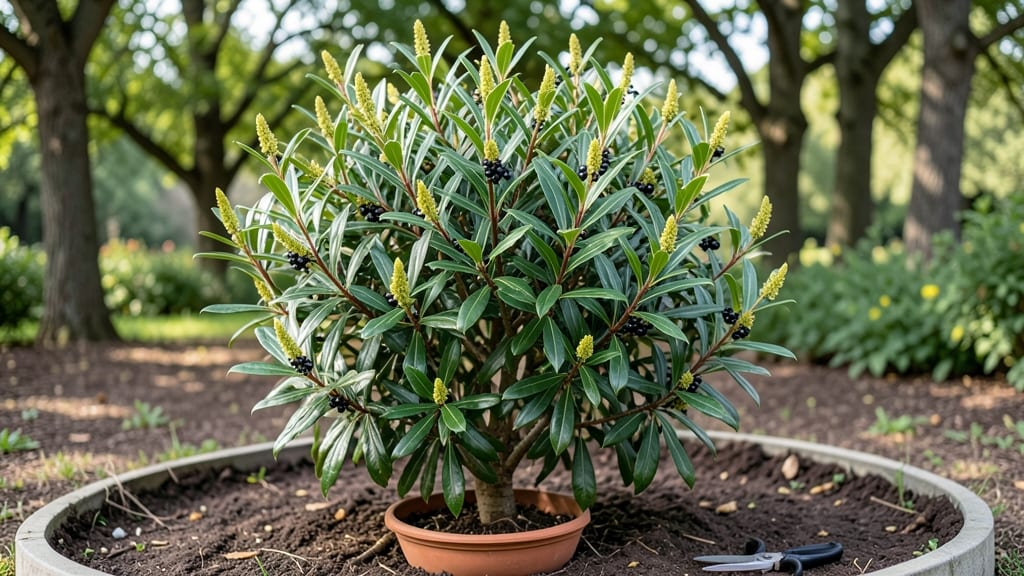
Your bay trees flowering isn’t just possible—it’s a hidden talent waiting to be unlocked. 🌿 I’ve watched my own bay trees go from leafy workhorses to fragrant bloom producers by tweaking just a few things, and the difference in health and fragrance is night-and-day.
Most gardeners focus only on the glossy leaves, but flowering bay trees need three key things: bright, indirect light (like a south-facing window or dappled shade), well-draining soil (sandy loam with a splash of compost), and consistent moisture—never soggy, never bone-dry.
The secret? Mimicking their Mediterranean roots by letting the top inch dry between waterings.
Once you’ve got those basics down, the real magic happens with light pruning—cutting back leggy growth in early spring to encourage new shoots, which are where those tiny white flowers (and future berries) form.
My trees now put out blooms in late winter, filling the air with a fresh, herbal scent that lasts for weeks.
This works for both container-grown and in-ground bay trees, though potted ones need extra winter protection. The payoff? A tree that’s not just healthy but actively productive, with stronger fragrance and even better foliage. Let’s get those blooms going!
📚 In This Guide
- What you need
- Instructions
- Tips and common mistakes
- Wrapping up and next steps
What you need
- ● Bay tree (Laurus nobilis) – Choose a healthy, mature specimen (3+ years old) for best flowering results.
- ● Well-draining potting mix – 5-10 gallons, depending on pot size (use a blend of peat-free compost, perlite, and sand for aeration).
- ● Container or garden bed – Potted option: 15-20 gallon pot with drainage holes (terracotta or fabric pots preferred).
- ● Garden bed: Full sun to partial shade spot with 6+ hours of sunlight daily.
- ● Slow-release fertilizer – Balanced 10-10-10 or organic options like fish emulsion (apply every 4-6 weeks during growing season).
- ● Pruning shears – Sharp, bypass-style shears (sterilize with rubbing alcohol between cuts).
- ● Watering can or hose with spray nozzle – For gentle, deep watering (avoid soggy roots!).
- ○ Mulch (optional but recommended) – 2-3 inches of organic mulch (e.g., shredded bark or pine needles) to retain moisture.
- ● Climate check: Bay trees thrive in USDA Zones 7-10. If you’re in colder zones, grow in containers for winter protection.
- ● Sunlight commitment: Minimum 4 hours of direct sun daily (more = more flowers!).
- ● Patience: Young trees may take 2-3 years to produce flowers—consistency is key!
- ○ Pollination boost (optional): If indoors, gently hand-pollinate flowers with a soft brush to encourage blooming.
Step-by-Step guide to encouraging bay trees to flower year-round
Healthy bay trees bloom best when you mimic their Mediterranean roots—here's how to coax those fragrant flowers.
🌱 Step 1: Position for Maximum Sunlight and Airflow
Bay trees crave 6-8 hours of direct sunlight daily, so place yours in the brightest spot you have—south-facing windows or a sheltered patio. I always check for even light exposure by rotating the pot quarter-turn weekly, which prevents lopsided growth and encourages balanced flowering.
Good airflow is just as critical—crowded conditions breed fungal diseases that stunt blooms. If growing indoors, position near an open window or use a small oscillating fan on low for 1-2 hours daily. You'll see stronger stems and more abundant flowers when the tree isn't fighting for survival.
☀️ Step 2: Simulate Mediterranean Climate Conditions
Bay trees thrive when you replicate their natural environment. During spring and summer, maintain soil moisture by watering when the top 2 inches feel dry. Overwatering is the quickest way to kill blooms—yellowing leaves signal root stress, not drought.
In winter, reduce watering to every 3-4 weeks and let the tree experience a cool, dry dormancy period (around 50-60°F). This seasonal shift tricks the tree into thinking it's winter in the Mediterranean, which primes it for spring flowering. I always check the soil with my finger—if it's still damp after a month, hold off.
💧 Step 3: Feed for Floral Growth, Not Just Foliage
Use a balanced, organic fertilizer (10-10-10) diluted to half-strength every 4-6 weeks during spring and summer. The key is to avoid nitrogen-heavy feeds—those produce lush leaves but no flowers. I switch to a low-nitrogen, high-phosphorus formula (5-10-5) in early spring to encourage blooming.
Apply fertilizer only when the soil is moist to prevent root burn. You'll know you're doing it right when you see tiny flower buds forming in late winter—these are your first sign that the tree is preparing to bloom. If you miss this window, don't panic; bay trees are forgiving but respond best to consistency.
✂️ Step 4: Prune Strategically to Encourage Blooms
Prune bay trees immediately after flowering to shape the tree and promote next year's blooms. Use clean, sharp pruners to cut back 1/3 of the oldest growth each year, focusing on inward-growing or crossing branches. This opens the canopy to sunlight, which is crucial for flower development.
Never prune in late summer or fall—you'll remove next year's flower buds. If you notice leggy growth, it's a sign of insufficient light or over-fertilization. Trim back to a leaf node just above a bud, and the tree will redirect its energy into producing flowers instead of stretching for light.
🪴 Step 5: Monitor and Adjust for Pests/Diseases
Bay trees are relatively pest-resistant, but watch for aphids or spider mites, which can sap energy meant for flowering. I treat infestations with a neem oil spray applied in the evening to avoid harming beneficial insects. Always spray the undersides of leaves where pests hide.
If you see brown spots on leaves, it's likely fungal—reduce overhead watering and improve airflow immediately. Healthy bay trees have deep green, glossy leaves with no yellowing or spotting. When the tree is thriving, it devotes more energy to producing those fragrant, creamy-white flowers that appear in clusters along the stems.
Tips & tricks for perfect bay tree blooms
These insider secrets will transform your bay tree into a year-round flowering powerhouse—no guesswork required.
The Light Factor: In Step 1, when positioning for those critical 6-8 hours of direct sunlight, watch for subtle signs of light deprivation: leaves growing toward the light source or stretching excessively. This "etiolation" signals your tree is desperate for more light. Consider supplementing with a grow light for 12-14 hours daily during winter months when natural light dwindles. I've seen bay trees double their flower production with just 2 hours of supplemental light—it's that impactful.
Seasonal Watering Strategy: The winter watering schedule in Step 2 is where many gardeners go wrong. While every 3-4 weeks is the guideline, your tree's needs depend on your home's humidity levels. In dry climates, you might need to water monthly, while humid environments may require only biweekly watering. Always check soil moisture by inserting your finger 2 inches deep—this tactile check is more reliable than any moisture meter. The goal is to maintain just enough moisture to prevent stress while avoiding soggy roots that suffocate flower buds.
Fertilizer Timing Secret: When switching to that low-nitrogen, high-phosphorus (5-10-5) formula in early spring (Step 3), I recommend a phased approach: apply half the dose when you first see flower buds forming, then the full dose two weeks later. This two-step method prevents fertilizer burn while giving your tree a phosphorus boost exactly when it needs it most. The phosphorus promotes root development and flower formation, but too much too soon can overwhelm the tree's delicate blooms.
Pruning Precision: In Step 4, when cutting back 1/3 of the oldest growth, focus on branches that are thicker than a pencil—these are the energy vampires that drain resources from potential flowers. Make your cuts just above a leaf node where new growth can emerge. I always sterilize my pruners with rubbing alcohol between cuts to prevent spreading diseases that can devastate your tree's flowering potential. The cleaner your cuts, the faster the tree recovers and redirects energy toward blooms.
Pro Tips for Bay Trees Flowering
- These insider secrets will transform your bay tree into a year-round flowering powerhouse—no guesswork required.
- The Light Factor: In Step 1, when positioning for those critical 6-8 hours of direct sunlight, watch for subtle signs of light deprivation: leaves growing toward the light source or stretching excessively.
- Seasonal Watering Strategy: The winter watering schedule in Step 2 is where many gardeners go wrong.
Frequently asked questions
Do bay trees (Laurus nobilis) actually flower?
Yes! While bay trees are prized for their aromatic leaves, they do produce small, fragrant flowers—typically in spring. The flowers are tiny, creamy-white, and often overlooked, but they’re a key part of the tree’s reproductive cycle. Pro tip: If your bay tree isn’t flowering, it might need more sunlight or balanced fertilization.
Why isn’t my bay tree flowering?
Bay trees are slow to flower, especially in containers or cooler climates. Common reasons include insufficient sunlight (<6 hours/day), poor soil drainage, or lack of nutrients. Prune lightly in late winter to encourage new growth, and ensure well-draining soil with occasional compost. Mature trees (5+ years) are more likely to bloom.
Can I force bay trees to flower year-round?
No, but you can extend the blooming window! While bay trees naturally flower in spring, providing consistent warmth (60–75°F), humidity, and bright light may encourage sporadic blooms. For indoor trees, a grow light or sunny window helps. Note: Over-fertilizing can stress the tree, reducing flowers.
What’s the best alternative if I want flowering bay-like trees?
If flowers are your goal, consider California bay (Umbellularia californica) or mountain laurel (Kalmia latifolia), both of which produce showy blooms. For a fragrant, evergreen look with flowers, lemon verbena (Aloysia citrodora) is a great herbaceous alternative.
Are bay tree flowers toxic to pets?
Yes! While the flowers themselves aren’t highly toxic, bay tree leaves and stems contain coumarin, which can cause vomiting or diarrhea if ingested in large amounts. Keep pets away from fallen flowers and pruned debris. Opt for pet-safe alternatives like rosemary if you’re concerned.
Wrapping up and next steps
Watching your bay tree flower year-round isn’t just a dream—it’s an achievable goal with the right care! From pruning techniques to sunlight secrets and soil strategies, you now have the tools to nurture a thriving, blooming bay tree.
Remember, patience and consistency are key—your efforts will reward you with fragrant blossoms and lush foliage.
Ready to take the next step? Start small: pick one tip from this guide—like adjusting your watering schedule or testing your soil—and observe how your bay tree responds. Over time, you’ll unlock the full potential of your ever-blooming beauty! 🌿✨