
Shrubs
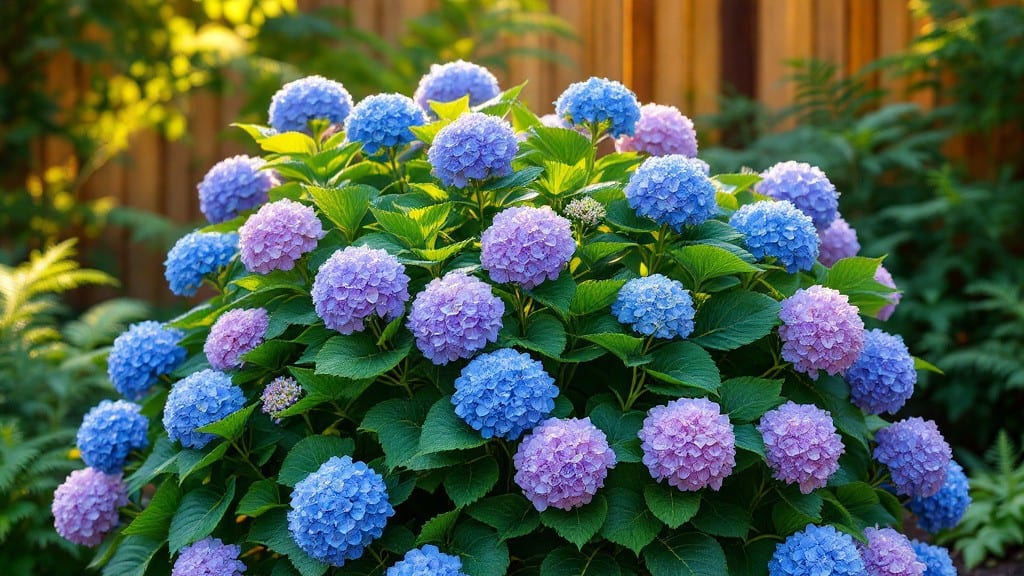
These images of flowering shrubs will inspire your garden’s next masterpiece—each chosen for its bold colors, pollinator appeal, and ability to keep blooming season after season. ✨ I’ve spent years curating the perfect shrubs for my yard. the garden lively from spring through fall.
The right shrubs can turn a blank space into a showstopper, whether you’re going for a cottage garden’s wild romance or a modern landscape’s clean lines.
Think hydrangeas that shift color with the soil pH, azaleas that burst with color in early spring, or lilacs that perfume the air in May. These shrubs aren’t just pretty—they’re pollinator magnets, attracting bees, butterflies, and hummingbirds while adding texture and height to your design.
A well-placed shrub can serve as a focal point, a privacy screen, or a border that ties the whole garden together.
What you’ll love most is how effortlessly they blend into any style. A sun-loving butterfly bush thrives in modern gardens, while shade-tolerant pieris adds elegance to formal landscapes. The key is matching their mature size, sunlight needs, and bloom times to your garden’s layout.
With the right choices, your yard will stay bursting with color long after annuals fade.
Whether you’re planning a new garden or refreshing an old one, these shrubs deliver year-round interest—from spring’s first blooms to winter’s architectural branches. Let’s dive into the best varieties for your space and how to make them shine.
📚 In This Guide
- What you need
- Instructions
- Tips and common mistakes
- Wrapping up and next steps
What you need
- ● Flowering shrubs: 3–5 mature shrubs (e.g., Hydrangea, Camellia, Azalea, or Butterfly Bush) in full bloom for variety.
- ● Pruning shears: 1 pair (bypass blades, 6–8 inches) for shaping and maintenance.
- ● Garden gloves: 1 pair (nitrile-coated for durability).
- ● Watering can or hose: 1 (5-gallon capacity) to keep plants hydrated.
- ○ Mulch (optional): 2–3 bags (cypress or pine bark) to retain moisture and suppress weeds.
- ● Camera: DSLR/mirrorless (or smartphone with macro mode for close-ups).
- ● Tripod: 1 (lightweight, adjustable height) for steady shots.
- ● Lenses: 1 wide-angle lens (16–35mm) for landscapes.
- ● 1 macro lens (50–105mm) for detailed blooms.
- ● Reflector: 1 (5-in-1) to enhance lighting and reduce shadows.
- ○ External flash (optional): 1 (with diffuser) for low-light conditions.
- ● Sunny or partially shaded location with 6+ hours of sunlight daily for optimal blooms.
- ● Well-draining soil (amend with compost if needed).
- ● Knowledge of bloom seasons—plan shoots around peak flowering (spring/summer for most; winter for Camellias).
- ● Pollinator awareness: Avoid pesticides to support bees, butterflies, and hummingbirds!
How to capture stunning flowering shrub photos for year-round color
Here's my approach to photographing flowering shrubs that highlights their beauty and attracts pollinators.
🌿 Step 1: Scout Locations for Natural Light and Seasonal Interest
Visit potential shrub locations at different times of day to identify the best natural light. Early morning or late afternoon light creates softer shadows and richer colors—ideal for showcasing delicate blooms. I always check for year-round interest, like evergreen foliage or winter berries that add texture when flowers fade.
Look for shrubs with 3-4 seasons of color—spring blooms, summer foliage, fall berries, and winter structure. A well-chosen shrub like hydrangea or crape myrtle will provide continuous visual appeal. Bring a small notebook to jot down which plants have the most vibrant blooms and when they peak.
☀️ Step 2: Time Your Shots for Peak Bloom and Pollinator Activity
Photograph flowering shrubs when they're 70-80% open—just as buds begin to unfurl. This captures both the emerging flowers and the center blooms, creating depth in your images. I schedule shoots for 10 AM to 2 PM when blooms are fully hydrated but before afternoon heat causes wilting.
Watch for pollinators like bees and butterflies—they add life to your shots. Position yourself where sunlight filters through branches to create a soft, dreamy backdrop. If you're photographing seasonal bloomers, plan multiple visits to capture their full cycle from bud to spent flower.
📸 Step 3: Use Simple Equipment and Natural Framing
Start with a basic DSLR or smartphone with a macro setting for close-ups of individual flowers. A 50mm lens works well for full-shrub shots, while a macro lens captures intricate details like stamens or petal textures. I avoid using flash—it washes out delicate blooms—relying instead on natural light or a small reflector to bounce light onto shaded areas.
Frame your shots using natural elements like neighboring foliage, garden paths, or architectural features. A rule-of-thirds composition works best—place the main bloom along one of the intersecting lines for balanced images. Shoot from slightly below the shrub to emphasize height and create a dynamic perspective.
✂️ Step 4: Edit for Vibrant Colors and Pollinator-Friendly Appeal
Use free editing tools like Snapseed or Lightroom Mobile to enhance colors without over-saturating. I boost vibrancy by 5-10% and adjust shadows to 30% to bring out details in petals and foliage. Avoid heavy filters—your goal is to showcase the shrub's natural beauty while making it more appealing to pollinators.
Add a subtle green tint to emphasize foliage and a warm tone to highlight blooms. This makes images pop while keeping them true to life. For pollinator-friendly shots, include bees or butterflies in the frame—edit their colors to stand out against the shrub's blooms for a lively, dynamic effect.
🌱 Step 5: Share and Inspire Others to Plant Pollinator-Friendly Shrubs
Post your images on gardening platforms with location tags and plant names to inspire others. I always include a short caption about the shrub's pollinator benefits and growing conditions. For example, "This butterfly bush attracts monarchs and thrives in full sun to partial shade."
Encourage viewers to plant similar shrubs by sharing your favorite varieties and their seasonal blooms. You'll create a community of gardeners who prioritize both beauty and biodiversity. Include a call-to-action like, "Which pollinator-friendly shrub will you plant this year?" to spark engagement.
Tips & tricks for perfect flowering shrub photography
These simple yet powerful techniques will transform your shrub photos from ordinary to extraordinary—without needing professional gear.
Lighting is Everything: The golden hours of 10 AM to 2 PM mentioned in Step 2 are perfect, but overcast days can actually work better for delicate blooms. If you're shooting on bright days, position yourself so the sun is behind you, not directly hitting the flowers. I've found that backlighting creates a stunning halo effect around petals—just be ready to adjust your exposure settings. For tricky lighting, try the "sunny 16" rule as a starting point on your camera.
Composition Secrets: When applying the rule-of-thirds in Step 3, I like to use the "leading lines" technique too. Look for natural paths created by branches or garden borders that draw the viewer's eye toward your main subject. For close-ups, focus on the center of individual flowers where you'll often find the most intricate details like stamens or pollen. A quick trick? Shoot slightly off-center to create more dynamic compositions that feel less staged.
Pollinator-Friendly Framing: Including bees or butterflies adds incredible life to your images, but positioning matters. Place pollinators near but not directly on flowers—this creates more natural movement in the frame. If you're struggling to find active pollinators, try shooting near water sources or early in the morning when they're most active. I've had great success with butterfly bushes that attract monarchs—just be patient and wait for the right moment when they land.
Editing Shortcuts: The 5-10% vibrancy boost in Step 4 works wonders, but here's my secret: always edit in two stages. First, adjust the shadows to 30% to bring out details, then use a selective color tool to enhance just the green tones in foliage. For a quick pollinator-friendly effect, I'll increase the saturation of reds and oranges slightly—this makes bees and butterflies pop against the greenery without overpowering the natural colors.
Pro Tips for Images Of Flowering Shrubs
- These simple yet powerful techniques will transform your shrub photos from ordinary to extraordinary—without needing professional gear.
- Lighting is Everything: The golden hours of 10 AM to 2 PM mentioned in Step 2 are perfect, but overcast days can actually work better for delicate blooms.
- Composition Secrets: When applying the rule-of-thirds in Step 3, I like to use the "leading lines" technique too.
Frequently asked questions
Got questions about adding images of flowering shrubs to your garden? You’re not alone! Here are some of the most common queries—and their easy answers—to help you plan with confidence.
What are the best flowering shrubs for attracting pollinators?
Look for native species like Butterfly Bush (Buddleia), Viburnum, or Spirea. These shrubs offer nectar-rich blooms that bees, butterflies, and hummingbirds adore. Pro tip: Pair them with early, mid, and late-season bloomers to keep pollinators fed year-round!
When is the ideal time to plant flowering shrubs?
Early spring or fall are the sweet spots! Planting in cooler months gives roots time to establish before extreme heat or frost. Avoid summer planting— young shrubs can stress in scorching temps. Check your USDA hardiness zone for variety-specific timing!
How do I keep my flowering shrubs healthy and blooming?
Start with well-draining soil and regular pruning after flowering (except for spring bloomers like Azaleas). Water deeply 1-2x/week during dry spells, and fertilize lightly in early spring. Mulch around the base to retain moisture and deter weeds!
Can I use flowering shrubs in small gardens or containers?
Compact varieties like Dwarf Fothergilla, Lilac (Korean types), or Dwarf Butterfly Bush thrive in pots. Choose containers with drainage holes and use lightweight potting mix. Tip: Rotate containers seasonally for even sunlight exposure!
Why aren’t my flowering shrubs blooming this year?
Common culprits include over-fertilizing (too much nitrogen = leafy growth, no flowers), poor sunlight, or stress from drought/transplant shock. Check your shrub’s care needs—some (like Hydrangeas) thrive in partial shade, while others (like Crape Myrtles) crave full sun.
Wrapping up and next steps
From vibrant azaleas to delicate hydrangeas, flowering shrubs bring beauty, life, and pollinator support to any garden. 🌸 Their year-round appeal—paired with low-maintenance care—makes them a dream for both beginners and seasoned gardeners.
Whether you’re curating a pollinator paradise or simply adding color to your landscape, these shrubs offer endless inspiration.
Ready to transform your space? Start small: Pick one shrub that excites you, snap some images of flowering shrubs for reference, and plant it this weekend! Your garden (and the bees!) will thank you.